
How to Modernize a Split Flap Board
July 3, 2026 · Captain
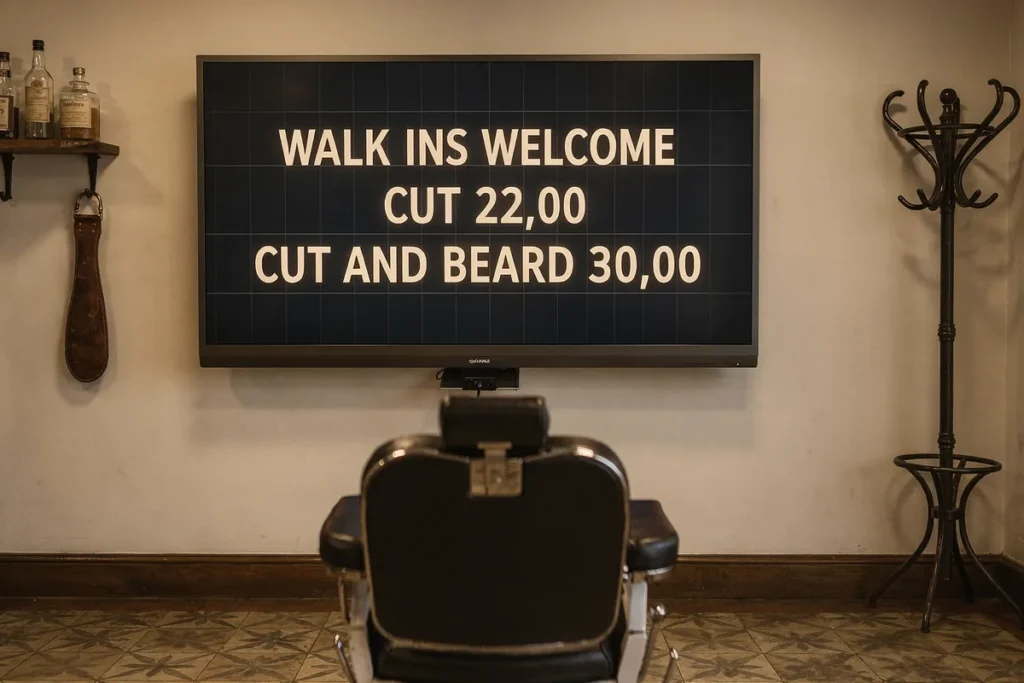
A split-flap board still has a kind of gravity that newer screens rarely match. People hear the click-clack, catch the motion in their peripheral vision, and look up. If you are figuring out how to modernize a split flap board, the real goal is not to replace that magic. It is to keep the character while removing the friction that made old boards hard to live with.
That distinction matters for businesses. A classic board is memorable, but mechanical upkeep, fixed layouts, and manual updates can turn a beautiful display into a daily chore. A modernized version should preserve the theater of split-flap while making it easier to manage hours, menus, schedules, announcements, and branded messages without tape, markers, or constant reprints.
What modernization actually means
When people think about updating an old split-flap board, they often picture one of two extremes. Either they want to restore a mechanical piece exactly as it was, or they want to abandon the format entirely and install a generic digital screen. For most customer-facing spaces, neither option is ideal.
A better approach is to modernize the experience rather than erase it. That means keeping the visual language that made split-flap iconic – the segmented grid, the timed flipping, the high-contrast typography, the sense of motion – while shifting the content system into something digital, editable, and reliable.
In practice, that usually means using modern screens or tablets to recreate the split-flap look with software control. The board still feels like a board. It still delivers that retro transit-station drama. But now your team can update it from an app, schedule content in advance, and adjust layouts without touching hardware.
How to modernize a split flap board without losing its charm
The first decision is whether your priority is preservation or operation. If you are dealing with a historic piece in a museum, restoration may be the point. If you are running a cafe, hotel lobby, bar, retail shop, or office, day-to-day usability matters more.
That is where digital modernization wins. You are not asking a decades-old machine to perform like new every day. You are recreating the signature effect in a format built for current business needs. The board can show changing text cleanly, stay visually consistent, and still feel far more special than a standard slideshow on a flat screen.
The best modern split-flap systems get three things right. First, they honor the original visual rhythm. Second, they make updates simple enough for a busy shift. Third, they fit naturally into the space instead of looking like an afterthought.
Start with the use case, not the hardware
Before choosing any display setup, decide what the board needs to do. A restaurant may need breakfast-to-lunch menu changes and daily specials. A boutique hotel might want welcome messages, event schedules, and Wi-Fi details. An office manager may need visitor messaging, room assignments, and internal announcements.
Related reading: Cheap Split Flap Display Without Looking Cheap
That use case shapes the layout. If you need short, changing messages, a compact board with fewer rows may be enough. If you want a schedule-style presentation, you may need more rows and a clearer hierarchy. Modernization works best when the board is designed around real content, not just nostalgia.
This is also where some businesses go wrong. They install a beautiful split-flap style display but treat it like static decor. The format shines when it is active, timely, and clearly useful.
Keep the split-flap aesthetic authentic
Not every digital imitation feels right. If the motion is too slick or the typography is off, the display can lose the tactile charm that makes split-flap so effective in the first place.
A strong modernized board should mimic the structure and pacing of a real split-flap display. The transitions should feel deliberate. The grid should feel orderly. The letters should be crisp and legible from a distance. Optional sound can help in the right environment, especially if you want that familiar click-clack atmosphere, but it depends on the setting. In a lively bar, it adds energy. In a quiet lobby, it may be better used sparingly or turned off entirely.
Authenticity is not about copying every limitation of the old hardware. It is about preserving the emotional effect. People should glance at it and immediately understand what it is referencing.
Modern control is the real upgrade
The biggest leap forward is not the screen itself. It is the ability to control content quickly and consistently.
A modern system should let you update messaging without rebuilding the display each time. That means editing text from an app, switching layouts when needed, scheduling content ahead of time, and publishing changes remotely. If your staff can update the board in seconds between customer interactions, you have solved the operational problem that old boards created.
This is especially valuable for businesses with recurring changes. Happy hour times shift. Menu items sell out. Event lineups get adjusted. Holiday hours need to go live at the right moment. A split-flap style display only works as a business tool when updates are easy enough to happen in real time.
For many venues, scheduling is what turns a good-looking display into a genuinely useful one. Instead of remembering to swap signs manually, teams can set messages to appear when they are needed. Breakfast ends, lunch begins, and the board changes with it.
Design for readability, not just style
The visual appeal of split-flap is strong, but readability still comes first. Old boards were built around simple, high-contrast text for a reason. That principle still holds.
Use short lines, clear wording, and enough spacing to make the board easy to scan. If every row is packed with text, the effect becomes muddy. A modernized board should feel elegant and intentional, not crowded.
This is one of the trade-offs to respect. Split-flap displays are excellent for concise, high-impact communication. They are not ideal for dense paragraphs or overly complicated menus. If your message needs explanation, use another format elsewhere and let the board handle the headline information.
Placement can make or break the board
A split-flap display works best when it catches people at a natural pause point. Near the entrance, behind the host stand, above the bar, at reception, or in a waiting area are all strong candidates. The movement does part of the work, but placement determines who sees it and when.
Think about viewing distance, ambient light, and what customers are trying to figure out in that moment. Are they looking for today’s special, where to check in, when an event starts, or whether the kitchen is still open? The board should answer a question people already have.
Modernization is not only about replacing the mechanism. It is also about making the display more relevant to customer flow.
Why a digital split-flap approach often beats mechanical restoration
Mechanical split-flap boards are beautiful, but they come with real constraints. Parts wear down. Maintenance can get specialized. Content changes are limited by the physical system. For businesses that need reliability, those trade-offs can outweigh the romance.
A digital split-flap approach keeps the mood and removes much of the burden. It gives you the classic look without turning a display into a maintenance project. It also opens up flexibility that old boards never had, from adjustable row and column layouts to multi-page messaging and timed content changes.
For many brands, this is the sweet spot. You get the premium, conversation-starting feel of split-flap without being locked into a fragile or labor-intensive setup. Split Flap TV is built around exactly that idea: reviving the iconic format on modern screens so businesses can keep the charm and gain control.
How to modernize a split flap board for your space
If you are planning your own setup, think in layers. Start with the experience you want guests to have. Then define the messages that need to change most often. From there, choose a screen size and board layout that fit both the room and the reading distance.
Once the display is in place, establish a simple content rhythm. Decide who updates it, how often, and which messages should be scheduled in advance. The more routine the process feels, the more value the board will deliver.
The most successful modern split-flap displays do not behave like one-off installations. They become part of operations. Staff trust them. Customers notice them. The brand gets credit for being both polished and distinctive.
There is a reason split-flap still holds attention after all these years. It turns information into a small performance. Modernizing it means keeping that performance alive while making the work behind it far easier. If your current signage feels messy, forgettable, or tedious to maintain, that is usually the right signal. The board does not need less personality. It needs a better engine behind the charm.