
Cafe Signage: Turning Your Coffee Shop Into a 1960s Airport Cafe Landmark
July 20, 2026 · Kurt Dupont
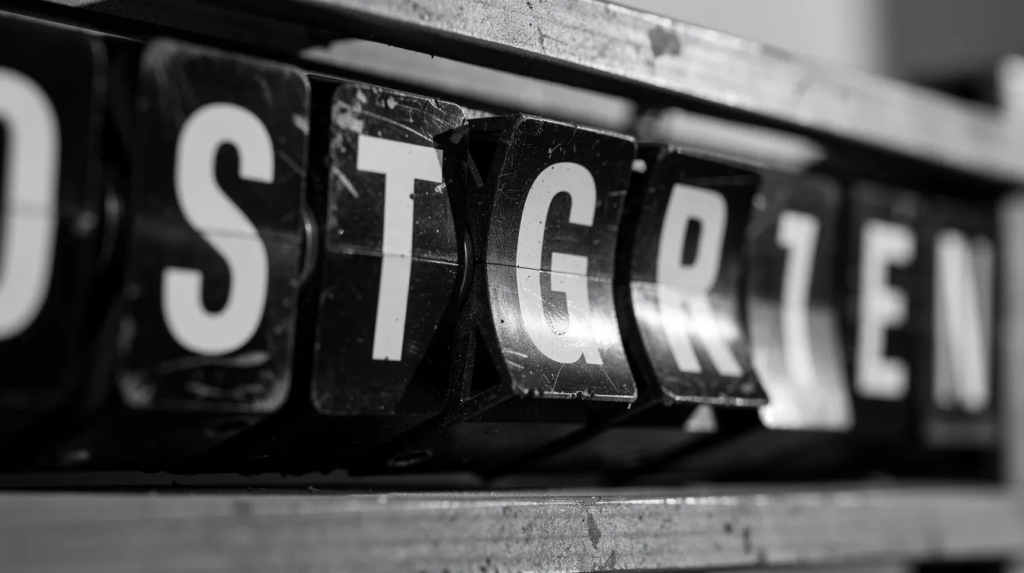
There’s something magnetic about walking into a space that transports you somewhere else entirely. Cafe signage does more than display menus and prices—it creates atmosphere, guides movement, and shapes first impressions before customers even reach the counter. In 2026, with foot traffic near transit hubs driving revenue, your sign is your silent salesperson, storyteller, and brand ambassador working around the clock.
This article explores a specific vision: crafting a cafe that feels like stepping into an airport lounge circa 1960, complete with period-accurate communication boards, split-flap displays, and ambient details that evoke Pan Am glamour. Think narrow corner espresso bars with blade signs and hand-painted window lettering—spaces where the design tells a story. Signage and interior design work together to reflect your brand’s personality, ensuring consistency and showcasing the unique character that sets your cafe apart.
Introduction to Cafe Signage
In the world of cafes and restaurants, first impressions are everything—and your signage is often the very first touchpoint for potential customers. Effective cafe signage is more than just a name above the door; it’s a crucial element in creating a memorable brand experience that draws in foot traffic and communicates your brand’s personality at a glance. The right sign can transform a simple cafe into a destination, inviting passersby to step inside and explore your offerings.
This guide is for cafe owners, managers, and designers looking to create memorable, effective signage that attracts customers and builds brand identity.
Cafe signage refers to all visual communication elements—like exterior signs, menu boards, window decals, and wayfinding markers—that represent a cafe’s brand, guide customers, and communicate offerings.
From the moment customers catch sight of your sign, they begin to form opinions about your business, its style, and the quality of the experience you offer. Well-designed signage acts as a silent ambassador, conveying your brand identity, highlighting daily menus, and setting the tone for what’s inside. In a crowded marketplace, these elements are crucial for standing out and ensuring your cafe is top of mind when people search for their next coffee break. By investing in signage that reflects your unique style and communicates your offerings clearly, you create an inviting atmosphere that encourages repeat visits and builds lasting relationships with your customers.
The Foundational Role of Signage in Cafes
Signage is often the very first impression a customer has of your business—research shows that about 75% of people say a sign is the first thing they notice about a business. Nearly 60% of consumers say the absence of a sign deters them from entering a business at all. Effective cafe signage serves as a silent ambassador of your brand, communicating style, offerings, and values to potential customers. In addition to attracting foot traffic and establishing brand presence, signage helps guide customers, reduce confusion, and set expectations for the experience inside. For those unfamiliar with the topic, understanding the foundational role of signage is essential: it’s not just about visibility, but about shaping perception and building lasting customer relationships from the very first glance.
Why Cafe Signage Is Critical for Business Success
Industry benchmarks tell a clear story: approximately 75% of consumers notice storefront signage before any other element, and around 60% report avoiding venues with unclear or absent exterior markers. Your signage directly converts passersby into paying customers.
Effective cafe signage improves business performance across multiple touchpoints. It drives foot traffic conversion by catching the eye from 25-30 meters away. It elevates perceived quality—consistent, high-contrast typography signals premium positioning. It streamlines ordering speed through clear menu hierarchy, and it fosters return visits via memorability that builds brand recognition over time. Clear, legible text on signage—whether on menu boards, window clings, or LED signs—is essential for visibility and ensures your messages are communicated effectively to customers.
Consider the contrast: a cafe with a clear projecting sign, readable menu board, and directional wayfinding versus one with no exterior visibility, hard-to-read offerings, and no guidance to restrooms or pickup. The first creates an inviting, professional experience. The second loses customers before they walk through the door.
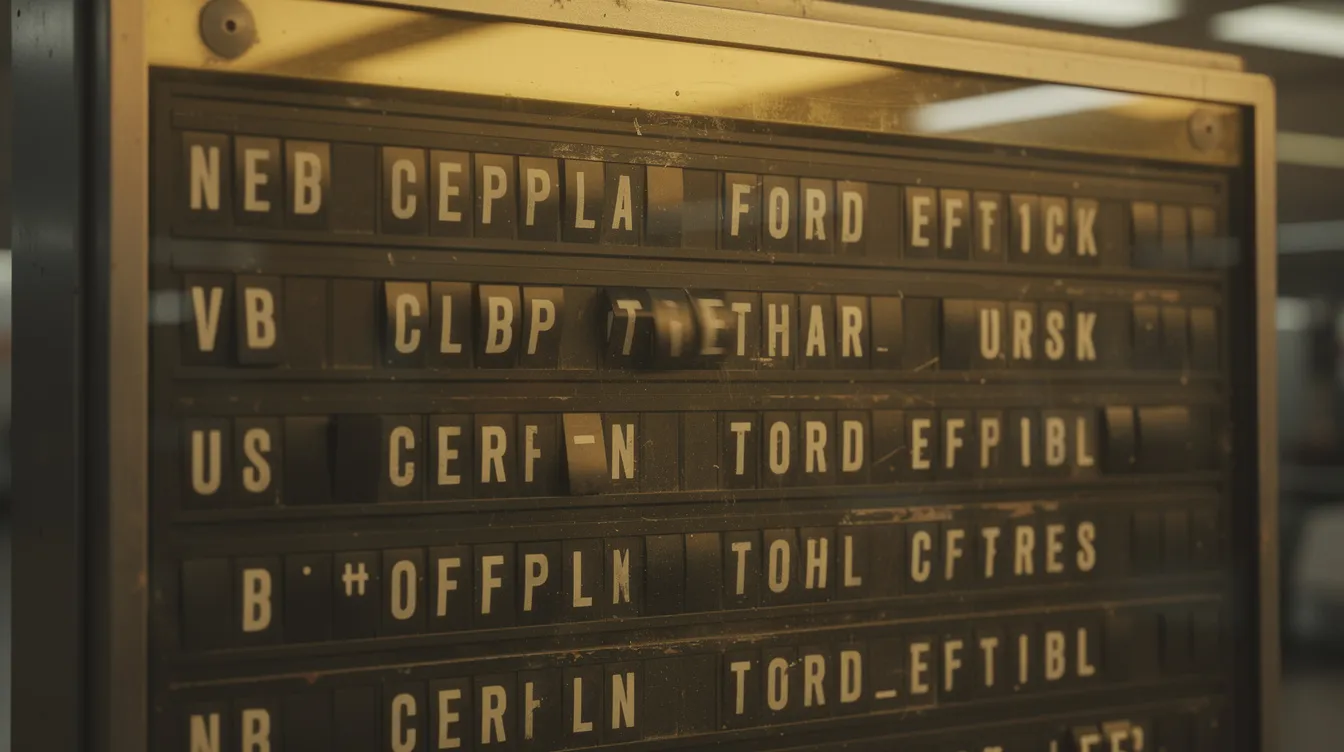
Capturing a 1960 Airport Cafe Vibe With Signage
Picture Idlewild Terminal in 1962: the clack-clack of split-flap boards announcing departures, chrome stools lining the counter, enamel signs in cream and aviation blue, and the warm aroma of fresh filter coffee mingling with leather. This was sophisticated travel at its peak—and it’s a style that translates beautifully to modern cafes.
Key visual elements from 1958-1965 airports include:
- Colors: cream, aviation blue, mustard yellow, charcoal
- Materials: enameled steel, brushed aluminum, frosted glass
- Typography: mid-century grotesque sans-serifs like Akzidenz-Grotesk
The multisensory experience matters too. Brewed coffee, warm pastries, and cedar-based scents create that natural jetway atmosphere without actual fuel notes. Modern split-flap technology emulates those mechanical boards while staying reliable and programmable—the perfect fit for a cohesive retro aesthetic.
Benefits of Using a Split-Flap Display in a 1960s-Style Cafe
A split-flap display replicates those iconic departure boards from JFK or Milan Linate—letters and numbers printed on flaps that rotate with a distinctive mechanical rhythm. For a cafe wanting to smell like an airport in 1960, nothing else comes close.
Atmospheric benefits:
- The authentic clack-clack sound instantly evokes mid-century terminals
- Visual drama draws attention from 10-15 meters, outperforming static boards by 3x
- Creates nostalgic connection for older diners and retro-cool novelty for younger guests
Practical benefits: With affordable split-flap boards, even smaller cafes can access this technology without exceeding their fit-out budget.
- Highly readable fonts work perfectly from distance for menus and daily specials
- Centralized control lets staff update promotions in seconds via app
- Functions as both menu board and communication board (“Departures: Bogotá Flat White”)
Experiential benefits for your 1960s theme:
- List “Departures” of espresso shots and pastries by time
- Announce “Boarding Now” for fresh-baked batches, syncing with intensified aromas
- Rotate messaging that interplays with scent cues throughout the day
The branding advantages are crucial. Split-flap boards that actually work become Instagram-worthy centerpieces, generating organic social exposure. They’re infinitely more distinctive than chalkboards or LED menus, creating a memorable brand experience that reinforces your brand’s personality with every flip.
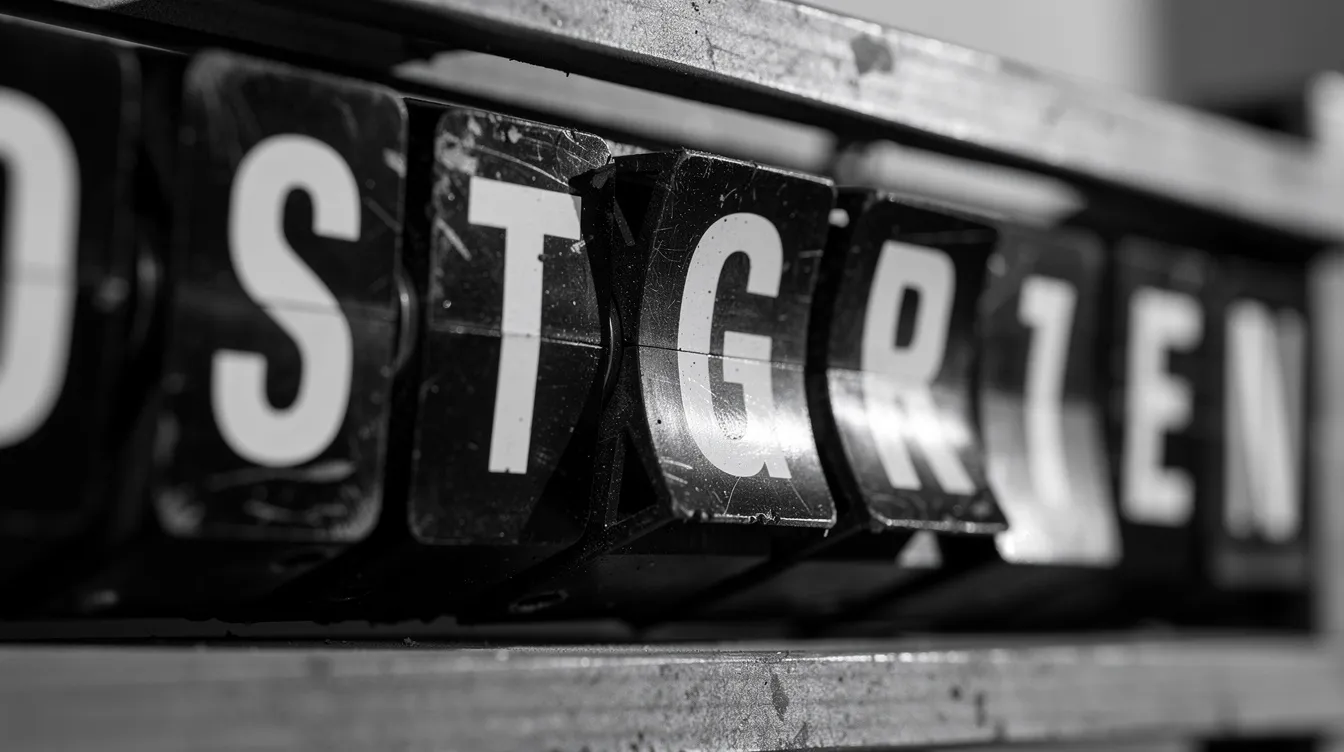
Key Types of Cafe Signage (Including Retro Airport-Inspired Elements)
A strong signage ecosystem combines 5-7 core elements working together. Each can be twisted toward your 1960 airport vibe:
- Exterior fascia sign: Your logo and name in backlit mid-century style above the door
- Blade sign: Projecting perpendicular to the street with “Gate A” branding
- A-frame board: Sidewalk specials written in period-appropriate fonts
- Window graphics: Hours and promotions on glass with frosted vinyl
- Interior menu boards: Split-flap displays listing “Flights” and “Connections”—essential for communicating food options and guiding customers
- Wayfinding signs: Mark the counter as “Check-In,” restrooms as “Terminal Facilities”
- Ambient decor: Vintage route maps and destination boards for wall space
These signage principles also apply to food trucks and airports, where Split-Flap TV for business helps customized signs attract attention and promote food offerings in busy environments.
Remember, indoor and outdoor signage should complement each other in style, font, and color palette to reinforce your brand identity.
Popular Signage Trends
Today’s most successful cafes and restaurants are embracing signage trends that blend style, warmth, and personality to create a truly memorable brand experience. Minimalist typography is leading the way, with clean lines, simple sans serif fonts, and plenty of negative space. This approach communicates sophistication and quality, making your space feel calm and inviting while ensuring your messaging is clear and easy to read.
Rustic, handmade signage is another popular trend, bringing a natural, warm, and authentic touch to your cafe. Think hand-painted wooden boards, leather menu holders, and chalk lettering—these elements create a cozy, welcoming vibe that encourages customers to linger. For those looking to inject a bit of fun and nostalgia, retro neon signage is making a comeback, and some brands are also exploring split-flap display alternatives that deliver similar vintage charm with digital flexibility. Vibrant neon signs with quirky quotes or your cafe’s name in playful script fonts can become iconic centerpieces, catching the eye and adding a burst of energy to your space.
By thoughtfully incorporating these trends, you can create signage that not only communicates your brand’s personality but also transforms your cafe into an inviting destination that stands out from the competition.
Design Principles for Effective Cafe Signage
Aesthetics must work hand-in-hand with legibility. Use 7-10 cm tall letters for outdoor signs on narrow streets, with high-contrast pairs like cream on navy. Limit typography to two families—a clean grotesque for navigation, a narrow serif for headings.
Select 3-4 core colors and maintain consistent application across all signs and menus. Period-authentic materials like enameled metal and brushed aluminum frames reinforce the look. Keep copy short and directive: “Proceed to Gate,” “Now Boarding Latte Flights.”
Ensure accessibility through adequate contrast, clear icons, and placement at eye level along natural walking paths.
Exterior Cafe Signage: Your Hardest Working “Gate”
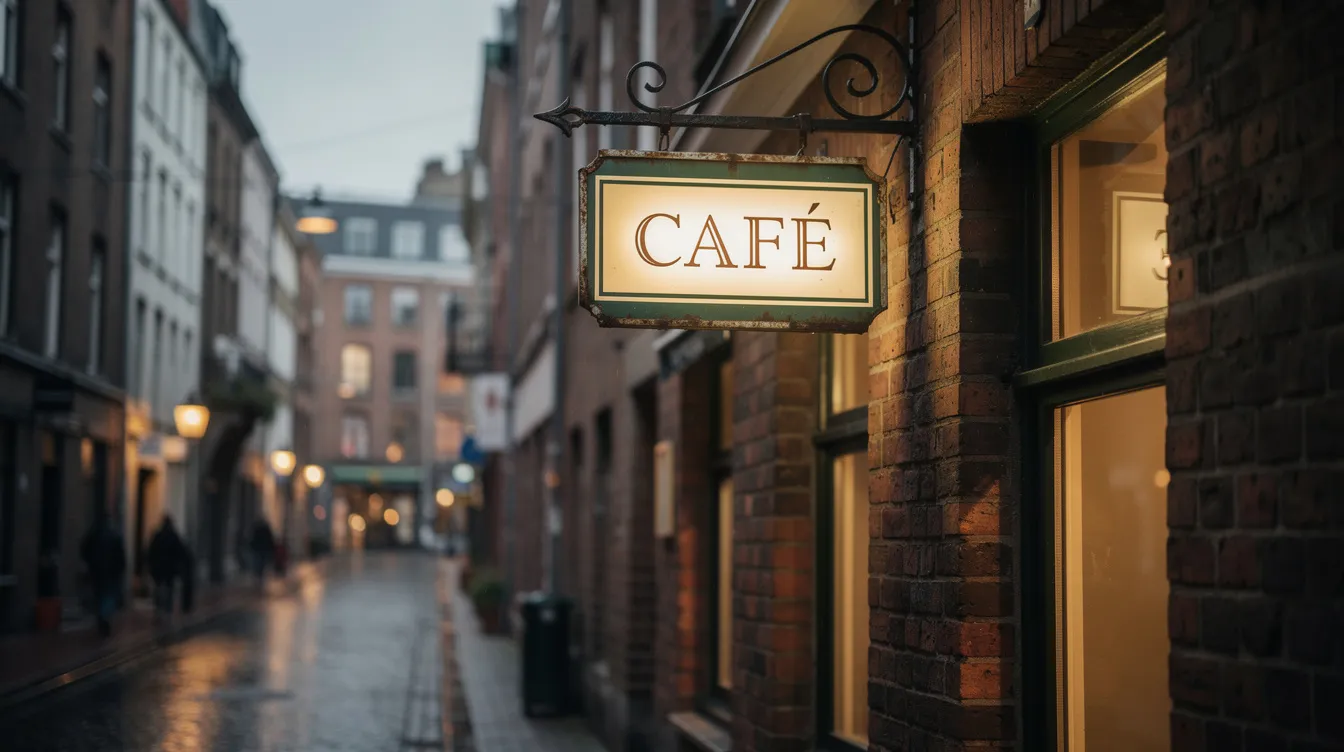
Your exterior signage operates like a 24/7 billboard, converting passersby into customers. Place your main sign at 3-4 meters high with vibrant, weather-resistant coatings for durability. A blade sign projecting over the outdoor sidewalk catches attention from both directions.
Consider window graphics combining hours and seasonal offerings in that rustic enamel style. For a European side-street cafe, a single blade sign reading “CAFE TERMINAL” creates instant visibility and brand identity without overwhelming the space.
Interior Signage: Menus, Wayfinding, and Communication Boards
Interior signage guides customers from door to counter to seating, mirroring airport wayfinding logic. Position your primary menu display above the counter, visible from the entrance. Use clear category headers that fit the theme while remaining understandable.
Split-flap communication boards above the bar can rotate specials: “Bogotá → Pour-Over,” “Addis Ababa → Drip.” Mark pickup as “Baggage Claim” with simple icons. Queue markers reading “Final Call for Pastries” create urgency near the bakery case.
Creating the Multisensory 1960 Airport Cafe Experience
Signage is visual, but the goal is full sensory recreation. With digital nostalgia for coffee shops, you can time split-flap announcements to brewing schedules—guests hear the flips as aromas intensify. Include printed table cards titled “In-Flight Notes” describing tasting notes.
Add a low-volume soundtrack of 1958-1965 jazz, and consider split-flap displays for modern interiors if you want the same nostalgic charm at home. Use floor decals with directional arrows echoing terminal graphics. Metal and vinyl textures on counters recall airplane cabins, and an old airport board style display at the bar reinforces the terminal feel. This is communicating atmosphere through every element, creating something fun and transportive.
Signage Strategy, Maintenance, and Updates
Treat signage as a long-term investment. Create an inventory assigning each sign a purpose and style reference. Incorporate practical tips for maintaining and updating your cafe signage, such as best practices for cleaning, inspecting, and refreshing signs to ensure their longevity and effectiveness. Establish routines: weekly wipe-downs, monthly hardware checks, annual repainting for sun-exposed elements. Refresh content seasonally while keeping your palette consistent. Ensure 2026 code compliance for exterior placement and lighting.
Measuring Success
To ensure your cafe signage is truly effective, it’s important to measure its impact using clear, actionable metrics. Start by tracking foot traffic—are more people stopping in after you update your sign or introduce new menu boards? Monitor customer engagement, such as how often diners comment on your signage or share photos on social media. Sales data can also reveal whether promotions or daily specials displayed on your signs are driving results.
Regularly reviewing these key performance indicators helps you gauge brand recognition and the strength of your brand identity in the minds of your customers. By assessing how your signage influences customer experience and business outcomes, you can make informed decisions about updates or redesigns. This ongoing process ensures your cafe’s signage remains relevant, engaging, and aligned with your brand, helping your business thrive in a competitive restaurant landscape.
FAQ About Cafe Signage and 1960 Airport-Themed Cafes
What type of signage should a new cafe invest in first? Focus on your main exterior sign and core menu board—these handle 80% of the importance for visibility and ordering flow.
How do I keep a 1960 airport theme from confusing customers? Pair playful aviation terms with clear icons. “Check-In Counter” works when there’s an obvious cash register behind it.
Is a split-flap display worth the cost for a small cafe? For themed cafes, absolutely. The branding edge, atmosphere, and social-media magnetism deliver 200-300% ROI in year one through inspiration and customer engagement.
Can I mix modern digital screens with vintage-style signage? Yes, if framed in period-appropriate materials like brushed aluminum. Range matters—one screen among enamel signs works beautifully.
How often should I redesign my cafe signage? Core brand identity every 3-5 years; content updates weekly or seasonally to keep things fresh.
A well-executed signage system transforms a modern coffee shop into something transportive. Search for your perfect combination of elements, and you might just create a space where every visit feels like stepping off a 1960 jetway—coffee in hand, ready for departure.
Conclusion
Cafe signage is far more than a functional necessity—it’s a powerful tool for shaping first impressions, building brand recognition, and creating a memorable brand experience that keeps customers coming back. Whether you’re channeling the sophisticated charm of a 1960s airport lounge or embracing modern trends, the right signage can transform your coffee shop into a true landmark. By investing in thoughtful design, staying attuned to current trends, and regularly measuring your signage’s impact, you ensure your cafe stands out as an inviting, vibrant destination. Explore the possibilities, and let your signage tell your story—one that customers will want to revisit again and again.