
Tech Companies: How Modern Innovators Power Digital Signage, Split-Flap Displays & Beyond
June 15, 2026 · Captain
Tech companies in 2026 are no longer just the mega-cap giants dominating headlines. While Nvidia recently became the first company to reach a $5 trillion valuation and Microsoft continues expanding through strategic acquisitions, a diverse ecosystem of specialized players has emerged to serve specific verticals and use cases. Companies like Adyen process billions in global payments, Atlassian powers collaboration for millions of teams, and Snap Inc. redefines camera-based communication—each shaping the tools we rely on daily.
The rise of specialized SaaS players has created space for niche products to compete on design, speed, and ease of use rather than sheer scale. In the digital signage space, this means organizations no longer need massive budgets or dedicated IT teams to deploy professional-quality displays. Products like Split-Flap TV demonstrate how a focused approach—combining nostalgic split-flap aesthetics with modern cloud software—can carve out a competitive position alongside legacy enterprise solutions.
This article is written from Split-Flap TV’s perspective, examining how tech companies build, power, and use digital signage and nostalgic split-flap style communication. Whether you’re a café owner considering your first digital menu board or a corporate team exploring lobby displays, understanding the broader tech landscape helps you make smarter decisions about the tools you choose.
What Defines a Modern Tech Company?
A tech company in 2026 is defined less by whether it uses computers and more by whether technology sits at the core of how it creates and delivers value. The defining characteristics include a software-first mindset, recurring revenue models (particularly SaaS), API-driven product architectures that enable integrations, and data-informed decision-making that drives continuous improvement.
The world’s leading tech companies, many of which are based in the USA, set the standard for innovation and scale. Salesforce is the world’s leading CRM provider and cloud platform. Microsoft Corp. is a global leader in enterprise software, productivity tools, and cloud computing, with significant investments in AI through its partnership with OpenAI. Amazon.com Inc. operates the world’s largest e-commerce and cloud infrastructure platform (AWS). Apple Inc. is renowned for its consumer electronics and software ecosystems. Alphabet Inc. (Google) dominates the world’s online search market and digital advertising. Nvidia Corp. leads the world’s GPU market and drives advancements in AI and accelerated computing. Intel is a major player in semiconductor chips, while Cisco Systems is responsible for much of the world’s networking hardware and cybersecurity. Meta Platforms Inc. (Facebook) focuses on social networking, advertising, and the metaverse, and Adobe provides essential software for creative and digital experiences.
Consider concrete examples across different verticals. Atlassian provides collaboration platforms like Jira and Confluence that centralize work and documentation for large teams. Dynatrace offers observability and automation, using AI to detect anomalies and optimize infrastructure at scale. QuillBot applies machine learning to writing assistance, helping users refine content in seconds. Each company shares common traits: they deliver value through software, charge on subscription or usage-based models, and prioritize self-service onboarding. In these organizations, specific software components or teams are responsible for managing critical functions such as content delivery, security, or customer support.
Business models in modern tech emphasize accessibility. Free tiers and trials—like Split-Flap TV’s 7-day free trial or the freemium approaches common in developer tools—lower barriers to entry. Customers can evaluate products before committing, reducing risk and accelerating adoption. This stands in contrast to legacy enterprise software that required lengthy sales cycles and expensive implementations.
Key factors for success in tech companies include leveraging automation for operational efficiency, maintaining a clear business model, fostering a culture of quick experimentation, and securing consistent access to capital. Successful companies often utilize ecosystems such as incubators and accelerators to share resources and talent. Strategic financial management is crucial for managing cash burn rates and accessing venture capital or investment for growth. Innovation and adaptability are essential, as tech companies must continuously develop new technology and take calculated risks. Scalability and growth require building platforms that are not constrained by structure and support international expansion, enabling companies to reach broader audiences and global markets.
Speed to value has become a competitive differentiator. The best tech companies get users set up in minutes, not weeks. Self-service onboarding, intuitive dashboards, and clear documentation replace heavy manual sales processes. When a restaurant owner can install an app, connect to Wi-Fi, and have a working digital display in under 15 minutes, that’s the standard modern tech companies aim to meet.
Key Categories of Tech Companies
Tech companies typically cluster into recognizable categories: fintech and digital financial services, enterprise software and collaboration platforms, AI and automation, digital media and location technology, and hardware-enabled platforms. Each category operates with distinct business models and customer bases, yet they increasingly intersect.
What makes this landscape particularly interesting for businesses deploying digital signage is how these categories connect. Fintech platforms can feed real-time pricing data to on-screen displays. Enterprise software can surface project status on lobby dashboards. AI platforms can automate content decisions based on context. Understanding these connections helps businesses extract more value from their technology investments.
Fintech and Digital Financial Services
Companies like Adyen provide end-to-end payment processing infrastructure that powers transactions for businesses worldwide. Remitly enables cross-border transfers across 170+ countries, moving money efficiently across borders. These firms don’t just process payments—they expose APIs and dashboards that supply real-time data to connected systems.
MarketAxess digitizes fixed-income trading, while InterSystems provides mission-critical data infrastructure for financial services and healthcare. These technology providers sit beneath the surface of many consumer-facing experiences, ensuring data integrity and transaction reliability at scale.
For venues using digital signage, fintech integrations open practical possibilities. Imagine a Split-Flap TV board in a hotel lobby displaying current exchange rates for international guests, or a retail store showing loyalty point balances that update in real time as customers check in. Payment offers, promotional financing rates, and reward tier status can all flow from fintech platforms onto displays—turning static signage into dynamic, personalized communication.
Enterprise Software and Collaboration Platforms
Atlassian’s Jira and Confluence serve as backbone tools for large teams, centralizing work management and documentation in ways that scale across organizations. Templafy standardizes document generation for enterprises, while Cleo orchestrates supply chain workflows through intelligent automation. These platforms don’t operate in isolation—they expose status data through APIs and webhooks that downstream systems can consume.
Modern enterprise platforms increasingly embed AI to automate repetitive tasks and generate reports in real time. A project management system that automatically summarizes sprint progress or an operations platform that detects anomalies before they become outages demonstrates how information technology continues evolving beyond simple record-keeping.
Here’s a practical application: pulling sprint status from Jira or operations alerts from Dynatrace into an office Split-Flap TV display creates at-a-glance team visibility. Instead of checking dashboards or waiting for email updates, team members see current status on a screen as they walk past. The display becomes a passive communication channel that keeps everyone aligned without demanding attention.
AI, Automation and Intelligent Platforms
AI-powered companies have moved from experimental projects to production-ready solutions deployed at scale. Dynatrace uses AI for observability, automatically detecting infrastructure anomalies and suggesting fixes. Cleo deploys AI workers for supply chain orchestration. QuillBot applies natural language processing to writing assistance. Carbon Robotics builds AI-powered LaserWeeders that identify and eliminate weeds without chemicals.
These platforms share a common approach: they use machine learning to detect patterns, automate decisions, and optimize processes that previously required manual intervention. The outcomes are measurable—time saved, errors reduced, efficiency improved.
Connected to digital signage, AI platforms can surface actionable information on screen in real time. Anomaly alerts from monitoring systems, field service queues prioritized by urgency, or AI-generated summaries of daily performance metrics all become candidates for display content. Perk, for example, automates travel and spend management with dashboards that could display company travel savings in a lobby or operations center.
For businesses, the key insight is that AI doesn’t require data scientists to deliver value. Context-aware signage that changes based on weather, time of day, or foot traffic uses similar principles—rules that adapt to conditions without manual intervention.
Digital Media, Location and Communication Tech
HERE Technologies provides location data that powers navigation and logistics globally. Taboola delivers performance advertising across publisher networks. Snap Inc. has built camera-based communication into a platform reaching hundreds of millions. Tms combines technology with marketing services for brand experiences.
Location technology and advertising networks enable context-aware content on digital signs. Route-based advertisements in transportation hubs, geofenced promotions that change based on store location, and audience-targeted messaging all depend on this infrastructure. A retail chain could use location data to tailor offers by neighborhood—highlighting winter gear in colder regions while promoting seasonal items in warmer climates.
Camera and AR technologies enable interactive experiences that complement more minimal displays. A venue might use AR for immersive brand activations while relying on Split-Flap TV for straightforward announcements and schedules. The contrast between high-tech interactivity and nostalgic simplicity can create memorable customer experiences.
Digital Signage as a Tech Company Vertical
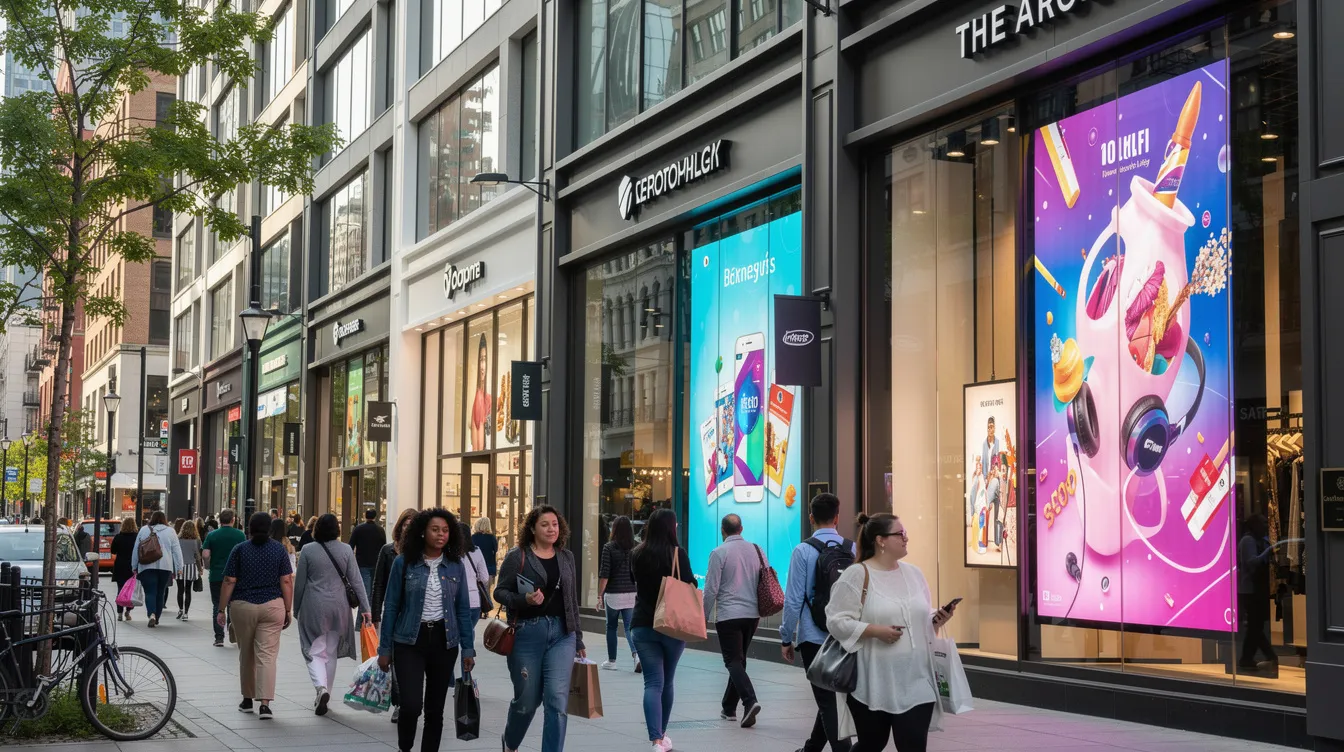
Digital signage has evolved from simple electronic signs into a sophisticated technology category. Walk through any major airport, train station, or hotel lobby and you’ll encounter screens displaying departures, wayfinding, promotions, and news. Restaurants use menu boards that update prices in real time. Corporate buildings show meeting schedules and company announcements. The applications span industries from healthcare to hospitality.
Digital signage systems can be either networked or standalone. Networked systems are managed through centralized content management systems (CMS), often cloud-based, enabling remote updates and dynamic content delivery. Standalone systems, on the other hand, rely on local storage—such as USB drives or SD cards—to operate without network connectivity.
Modern digital signage is no longer just hardware. It’s a combination of cloud software for content management, media players that render content on screen, networks that deliver updates, and creative tools that make design accessible. The shift mirrors broader trends in tech companies—from selling products to delivering services, from on-premise installations to cloud-managed solutions.
Common use cases include:
|
Use Case |
Industry |
Example Content |
|---|---|---|
|
Menu boards |
Restaurants, cafés |
Daily specials, pricing, promotions |
|
Departure/arrival boards |
Transportation hubs |
Schedules, gate changes, delays |
|
In-store promotions |
Retail |
Sales, new arrivals, loyalty offers |
|
Corporate dashboards |
Offices |
KPIs, meeting schedules, announcements |
|
DOOH advertising |
Media networks |
Targeted advertisements, brand campaigns |
|
Digital Out-of-Home (DOOH) advertising leverages digital signage displays in public spaces to deliver targeted advertisements. |
|
|
|
Split-Flap TV occupies a specific niche within this vertical: cloud-based software that turns any TV into a retro-style split-flap board. The product blends digital signage technology with nostalgic aesthetics, offering an alternative to generic flat digital menus that all look the same. |
|
|
Digital signage allows for dynamic and real-time content updates, often controlled remotely through content management systems. Interactive digital signage enables users to interact directly with displays using input methods like touch, gestures, voice, or proximity sensors. The adoption of digital signage is accelerating globally, although print signage continues to represent a significant portion of the signage industry. Compared to traditional print, digital signage offers greater flexibility, reduces long-term costs by eliminating recurring print production, and can have a lower environmental impact. Additionally, digital signage systems may incorporate audience analytics, IoT sensors, or AI-driven personalization to enhance engagement and effectiveness.
Hardware: From Ultra-Stretch Screens to Simple TVs
Display hardware ranges from specialized commercial panels to consumer televisions repurposed for business use. LG manufactures products like the 86BH5F-M, an 86” UHD Ultra Stretch digital signage display designed for unusual form factors. Samsung, Sony, and other manufacturers offer commercial-grade panels rated for 24/7 operation with warranties to match.
But larger displays aren’t always necessary. Standard 16:9 TVs and tablets work perfectly for many applications. The key consideration is whether the display can run signage apps or connect to a media player.
Media players bridge the gap between content management and display hardware. Options include:
- HDMI sticks (Amazon Fire TV, Chromecast)
- Android boxes
- Raspberry Pi devices
- Smart TV operating systems (webOS, Tizen, Android TV)
The contrast between high-end commercial signage and accessible consumer hardware matters for businesses evaluating options. A boutique hotel might invest in commercial panels for lobby installations while using consumer TVs with Split-Flap TV in back-of-house areas. A small café owner can start with a smart TV they already own, eliminating the need for new hardware purchases entirely.
Mounting options range from basic wall mounts to floor stands and ceiling installations. For retail and transportation environments, 24/7 operation requirements favor commercial panels with better heat dissipation and longer component lifespans.
Software: Cloud Platforms, Scheduling and Real-Time Data
Cloud-based content management systems allow users to create, schedule, and remotely update media on multiple screens without visiting each location. This management capability transforms how businesses handle their displays—changes made in a browser propagate to screens across a local network or across the country within minutes.
Modern signage software includes features like:
- Drag-and-drop editors for layout design
- Playlist timelines for sequencing content
- Dayparting for time-based changes (breakfast menu vs. dinner menu)
- Template libraries for quick starts
- Multi-screen management from single dashboards
Integrations extend functionality beyond static content. Weather feeds display current conditions. Social media counters show follower growth. Live data dashboards connect to POS systems, feeding prices or stock levels in real time. These connections turn signage from a broadcast medium into a dynamic communication channel.
Split-Flap TV’s dashboard lets customers design split-flap layouts, rotate messages through playlists, show date and time, display weather conditions, and feature social counters—all controlled from a browser. The interface presents a preview panel showing exactly how content will appear on screen, with a timeline view for scheduling message changes throughout the day. For detailed instructions, user guides, and the latest release notes, users can visit the Split-Flap TV documentation page to ensure they are accessing the most up-to-date resources.
Context-Aware and Data-Driven Digital Signage
Audience measurement has matured beyond simple impression counts. Sensors and cameras can estimate viewer counts and dwell time while preserving privacy through anonymization—no personal data stored, just aggregate patterns. This processing enables content optimization based on actual engagement rather than assumptions.
Context-aware systems change content automatically based on external factors:
- Time of day triggers different messages
- Weather conditions prompt relevant promotions
- Store occupancy influences what content displays
- Location data from platforms like HERE Technologies enables geographic targeting
A venue could combine simple scheduled messages on Split-Flap TV with data-driven content on nearby LED screens. The split-flap board handles announcements and schedules—content that benefits from the nostalgic format—while larger displays run dynamic campaigns with live metrics and video content.
Small businesses don’t need complex sensor arrays to benefit from context awareness. Starting with simple rules—rainy day messages, event countdowns, weekend specials—provides immediate value. Cloud software handles the automation, eliminating manual content changes and reducing errors.
From Physical Split-Flap Boards to Digital Nostalgia
The characteristic clicking sound of a split-flap board announcing departures defined mid-20th century travel. Split-flap displays are known for their nostalgic design reminiscent of old train station and airport departure boards. European train stations and airports featured these electromechanical displays prominently, their distinctive aesthetic becoming synonymous with transit itself. The boards used rotating flaps printed with letters and numbers, mechanically cycling to reveal new information—a physical feat of engineering that captivated travelers and became a feature rather than merely functional infrastructure.
That nostalgia persists. The split-flap display design allows for the display of rotating messages, schedules, and other information. Split-flap displays can be integrated into modern digital signage solutions, providing a retro aesthetic while delivering real-time information. DIY communities have built open-source split-flap projects using ESP32 microcontrollers, with enthusiasts creating installations featuring 40 and 52-flap modules. These projects demonstrate enduring interest in the format—people want that aesthetic in their homes, offices, and businesses. For these open-source split-flap projects, software and firmware often need to be installed, and users can adjust the setting for display configurations or the number of flaps to suit their needs.
Building a physical split-flap module requires substantial effort. Each module needs stepper motors for rotation, hall-effect sensors for position detection, laser-cut parts (typically 3mm MDF or acrylic), and controller boards like the Chainlink Driver system. The mechanical components of split-flap displays are often made from materials like laser-cut MDF or acrylic. Split-flap displays can be built using open-source designs, allowing for customization and scalability. The design can be modified to support different numbers of flaps, such as 40 or 52 flaps. Firmware runs on Arduino or PlatformIO, coordinating motor movements to display characters accurately. The split-flap display can be controlled via a computer connected to the display, allowing for easy updates and management of content. Split-flap displays utilize a series of flaps that rotate to reveal different characters or messages, creating a dynamic visual effect.
Related reading: Makerspaces: Turning Creative Hubs Into Living Split-Flap Displays
Split-Flap TV recreates the visual and auditory feel—the flip animation, the layout, the typography—purely in software running on standard displays. No mechanical maintenance required. No calibration. No replacement flaps when components wear out. The nostalgic experience delivers without the operational complexity, making split-flap display boards a visually engaging yet practical signage solution.
Mechanical DIY Split-Flap Projects vs. SaaS Solutions
For those considering a split-flap installation, the choice between DIY and SaaS deserves careful consideration.
Building a DIY split-flap wall requires:
- 3mm MDF or acrylic parts (laser-cut per module)
- M4 bolts and fasteners
- Sensor PCBs for each module
- Stepper motors and drivers
- ESP32 microcontrollers
- Firmware development/configuration
- Soldering equipment and skills
Serious builds can scale to over 100 modules, creating impressive installations. But they require ongoing maintenance—mechanical parts wear, sensors need recalibration, and firmware updates demand technical expertise. A single stuck flap can disrupt entire displays.
Split-Flap TV takes a different approach. Install an app on Apple TV, Android TV, or a media player. Connect to the dashboard. Design your layout. Publish messages. The entire process takes under an hour with no fabrication, no soldering, no firmware configuration.
|
Factor |
DIY Mechanical |
Split-Flap TV |
|---|---|---|
|
Setup time |
Weeks to months |
Under 1 hour |
|
Technical skills |
Electronics, firmware |
Basic app installation |
|
Ongoing maintenance |
Regular calibration |
None (software updates automatic) |
|
Cost model |
High upfront |
Monthly subscription |
|
Customization |
Complete control |
Within software options |
|
Target user |
Engineers, hobbyists |
Business owners, marketers |
|
The target audiences differ fundamentally. DIY rigs appeal to hobbyists and engineers who enjoy the build process itself. Split-Flap TV serves bar owners, hotels, retailers, and offices who want fast, reliable signage without becoming hardware specialists. |
|
|
Why Retro Aesthetics Still Matter in 2026
The psychological appeal of retro displays stems from perceived authenticity. In a world of identical LCD screens and generic digital menus, split-flap aesthetics stand out. They convey warmth, character, and intentionality that flat digital displays struggle to match.
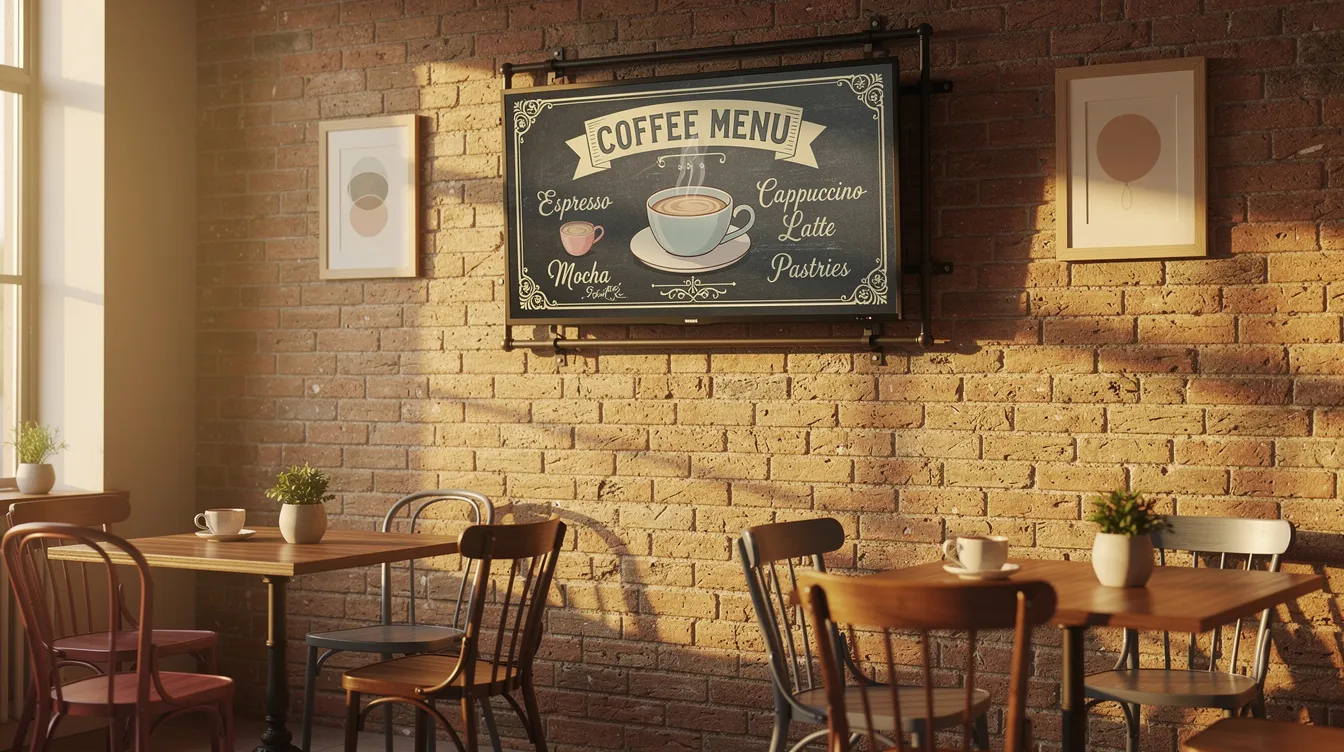
Hospitality brands and boutique hotels have discovered this differentiation advantage, contributing to the broader comeback of split-flap displays in modern digital spaces. An airport-themed bar with a split-flap departure board for its drink specials creates a memorable experience. A vintage café using the format for daily announcements reinforces its brand identity. Coworking spaces displaying member announcements on split-flap boards add character to communal areas.
Split-Flap TV combines this nostalgia with modern features that physical boards can’t match. Scheduling ensures content changes automatically. Multi-screen control manages displays across locations from a single dashboard. Cloud backups protect configurations. Real time content updates like weather and social counters keep displays fresh without manual intervention.
Use cases where retro aesthetics excel:
- Airport-themed bars and restaurants
- Vintage cafés and bakeries
- Boutique hotels and bed-and-breakfasts
- Coworking spaces and creative offices
- Event venues highlighting schedules and announcements
- Retail stores seeking differentiation from competitors
How Split-Flap TV Fits into the Tech Company Landscape
Split-Flap TV operates as a subscription-based SaaS company within the digital signage and business communication vertical, blending nostalgia with modern technology in a single platform. Like other modern tech companies, it emphasizes self-service onboarding, recurring revenue, and continuous product improvement delivered through software updates.
The product structure follows SaaS conventions. An app runs on smart TVs or media players, rendering the split-flap display locally. A browser-based dashboard lets customers design layouts, manage playlists, and control multiple screens. Subscription tiers (Economy, Business, Cockpit) scale features and support to different customer needs. A 7-day free trial lets potential customers evaluate the product before committing.
Core use cases span business communication needs, from simple announcements to innovative retro message boards that keep content fresh and automated:
- Rotating announcements and welcome messages
- Meeting room status and schedules
- Menu boards for restaurants and cafés
- Promotional messaging and limited-time offers
- Real time counters (social followers, sales milestones, event countdowns)
Industries served include bars, restaurants, hotels, retail storefronts, corporate offices, coworking spaces, and event venues. The common thread: businesses that already own screens and want simple, visually distinctive signage without complex IT requirements.
Product Architecture and Key Features
At a high level, Split-Flap TV’s architecture connects cloud infrastructure to device apps through secure API endpoints. The cloud backend stores configurations, schedules, and user account data. Device apps retrieve this information and render the split-flap animation locally, ensuring smooth performance without constant network traffic.
Key user-facing features include:
- Multi-screen management: Control multiple displays from a single dashboard
- Screen groups: Organize displays by location or purpose
- Message playlists: Sequence content with timing controls
- Date/time widgets: Display current time across time zones
- Weather integration: Show local conditions automatically
- Social media counters: Display follower counts from connected accounts
- Brand customization: Adjust colors and styling to match brand identity
Scheduling works across time zones and locations, making the platform suitable for chains with multiple venues. A restaurant group could manage breakfast specials in New York and lunch menus in Los Angeles from the same dashboard, with content appearing at appropriate local times.
Setup emphasizes ease: install the app, pair the screen with a code displayed on-screen, design the layout in the web dashboard, and go live. No on-site IT needed. Most users complete the process in minutes rather than hours.
Pricing, Tiers and Target Customers
Split-Flap TV’s subscription structure follows patterns common across SaaS companies. Plans tier based on features and scale:
- Economy: Entry-level for single screens—ideal for solo café owners or small retail shops
- Business: Multiple screens and locations with enhanced management features—suited for multi-venue restaurant groups or hotel chains
- Cockpit: Advanced analytics, priority support, and enterprise features—designed for corporate offices and larger deployments
Each plan offers monthly or annual billing, with discounts for longer commitments. The same 7-day free trial applies regardless of which tier a customer intends to select, allowing thorough evaluation before any payment.
Matching capabilities to customers:
|
Customer Type |
Recommended Tier |
Key Features Used |
|---|---|---|
|
Solo café owner |
Economy |
Single screen, basic scheduling |
|
Multi-venue restaurant |
Business |
Multi-screen, location groups |
|
Boutique hotel chain |
Business |
Brand customization, scheduling |
|
Corporate office |
Cockpit |
Analytics, priority support |
|
Customers can trial Split-Flap TV on one existing TV, evaluate the product in their actual environment, and then expand to additional locations once satisfied with the experience. |
|
|
 |
|
|
Getting Started: From Screen to Live Split-Flap Board in Minutes
Getting started with Split-Flap TV follows a straightforward process designed for business owners without technical expertise, supported by a web-based platform for installing the app, pairing devices, and managing boards remotely.
Step 1: Choose your screen
Use a smart TV with app support or add a low-cost media player to an older display. Any screen with HDMI input works with the right media player, following a clear step-by-step guide to setting up Split-Flap TV from hardware choice to scheduling content.
Step 2: Install the app
Download Split-Flap TV from your device’s app store. Installation takes seconds on most platforms.
Step 3: Connect to Wi-Fi
Ensure the device connects to your local network. The display needs internet access to receive updates from the cloud dashboard.
Step 4: Pair to the dashboard
The app displays a pairing code. Enter this code in your browser-based dashboard to link the screen to your account.
Step 5: Design your layout
Use the dashboard to create your first board. Add messages, configure widgets (time, weather, counters), and set rotation timing.
Step 6: Publish and go live
Push your design to the screen. Content appears within moments.
Most users complete this process in under 10–15 minutes. A restaurant owner creating a breakfast specials board with time-based rotation and weather widget could have it running before the lunch rush.
For older displays without smart TV capabilities, adding an Amazon Fire TV Stick or similar media player provides app support at minimal cost. This approach extends the useful life of existing hardware while adding digital signage capabilities and keeps overall costs in line with affordable split-flap boards that bring retro charm to cafés, boutiques, and hotels.
Best Practices for Content and Scheduling
Effective split-flap displays follow principles that play to the format’s strengths:
- Keep messages concise: The format suits short announcements, not paragraphs. “Happy Hour 4-7PM” works. A menu description doesn’t.
- Prioritize legibility: Use high-contrast colors. Let the split-flap animation be the visual interest rather than competing effects.
- Use brand colors sparingly: Accent colors can reinforce brand identity without overwhelming the display. The classic split-flap look—light text on dark backgrounds—remains effective.
- Rely on the animation’s charm: The flip effect itself captures attention. Let messages change at intervals that feel natural (30 seconds to 2 minutes depending on context).
Scheduling patterns that work:
- Change key messages by time of day (morning greetings → afternoon specials → evening events)
- Highlight limited-time offers with dedicated boards
- Include persistent elements (clock, date) for utility value
- Rotate between static scheduled content and dynamic widgets
Example weekly content plan for a café:
|
Time |
Board Content |
|---|---|
|
6 AM – 11 AM |
Breakfast specials + weather |
|
11 AM – 2 PM |
Lunch menu + current time |
|
2 PM – 5 PM |
Afternoon drinks + social counter |
|
5 PM – Close |
Evening events + promotions |
Combining static schedules with dynamic widgets keeps displays fresh. A live follower count that updates throughout the day, current weather that changes with conditions, or an event countdown that builds anticipation—these elements prevent stale, ignored signage.
Future Trends: Where Tech Companies and Digital Signage Are Heading
Looking toward 2028, several trends will shape how tech companies approach digital signage and visual communication.
Deeper AI personalization Content that adapts based on audience composition, time patterns, and engagement data will become standard. Systems will automatically test variations and optimize for performance without manual A/B testing.
Privacy-centric audience measurement As regulations tighten, anonymous aggregate analytics will replace any systems that collected personal data. Businesses will still gain insights—foot traffic patterns, dwell times, engagement levels—without privacy concerns.
Energy-efficient displays Environmental sustainability concerns will drive demand for screens with lower power consumption and longer lifespans. Software updates that optimize rendering efficiency can reduce energy use without hardware replacement, contributing to environmental goals.
Hybrid physical-digital experiences The convergence of communication tools continues. Internal dashboards, public digital signage, and mobile notifications will increasingly connect through unified platforms. What shows on the lobby screen might complement what appears in employees’ apps.
Unified communication platforms Enterprises will seek solutions that manage multiple communication channels—digital signage, internal messaging, public displays, mobile alerts—from single platforms. The eliminating of siloed tools reduces complexity and improves consistency.
Split-Flap TV plans to stay aligned with these trends through richer integrations (POS systems, social platforms, project management tools), improved templates, and analytics for content performance. The core value proposition—nostalgic aesthetics combined with modern convenience—remains relevant as businesses continue seeking differentiation.
Sustainability concerns extend beyond energy to hardware lifecycles. Software platforms that extend device lifespans through updates and optimization contribute to reducing electronic waste. A TV that might have been replaced can continue serving as a digital signage display for years with the right software.
Tech companies continue reshaping how businesses communicate visually. From fintech platforms feeding real-time data to AI systems automating content decisions, the infrastructure supporting digital signage grows more sophisticated each year. Yet the fundamental goal remains simple: connect with audiences through clear, engaging visual communication.
The barrier to entry has never been lower. A small business owner with a single smart TV can deploy professional-quality signage that rivals what enterprise budgets built a decade ago by using a revolutionary Split-Flap TV setup that brings retro style and real-time updates together. Whether you choose complex sensor-driven systems or simple scheduled messaging, the tools exist to create something memorable.
Split-Flap TV demonstrates that specialized SaaS companies can thrive alongside tech giants by focusing on specific use cases and user experiences. If retro-inspired displays appeal to your brand, a 7-day free trial lets you explore whether split-flap aesthetics work for your venue—no commitment, no complex setup, just a distinctive way to capture attention and communicate with your customers.
Audience Measurement: Understanding and Engaging Viewers
Audience Measurement in Transportation Hubs
In transportation hubs, digital signage becomes a gentle, reliable guide—like a knowledgeable friend who whispers the latest schedules and directions, ensuring every traveler feels cared for and never lost in the maze of their journey.
Retail and Restaurant Engagement
Retailers discover an incredible dance between their digital displays and human curiosity, showcasing promotions and treasures with an almost intuitive understanding of when hearts are most open to discovery. Restaurants embrace the warm glow of digital menu boards that seem to know exactly when to spotlight that perfect special, creating beautiful moments where technology and hospitality merge.
How Sensors and Analytics Work
To capture the essence of these interactions, businesses turn to fascinating technologies—sensors and cameras that work like invisible storytellers, quietly observing the ballet of human behavior without ever intruding on privacy. These devices become the eyes and ears of understanding, measuring:
- Viewer engagement and dwell time
- Which content or moments truly captivate
- When attention blooms into genuine connection
Analytics platforms transform this data into meaningful patterns, revealing the secret rhythms of how people move, pause, and connect with the world around them.
Turning Insights into Action
Armed with these insights, organizations can craft their digital signage experiences with the precision of artists and the warmth of storytellers. For example:
- Retail spaces adjust visual content to match the ebb and flow of shopping energy
- Restaurants know exactly when to showcase specials based on mood and moment
- Every adjustment becomes a thoughtful gesture, enhancing customer experience
From Data to Human Connection
Ultimately, audience measurement transforms digital signage from static broadcasting into a responsive, emotionally intelligent conversation between technology and humanity. By understanding who pauses before their displays and how people respond, businesses can:
- Foster engagement that touches something deeper
- Achieve results that resonate beyond simple metrics
- Create extraordinary experiences that feel less like marketing and more like meaningful human connection
Key Benefits and Applications of Audience Measurement in Digital Signage:
- Enhances real-time communication and relevance
- Increases engagement by adapting content to audience behavior
- Provides actionable insights for optimizing content and scheduling
- Supports privacy by using anonymized, aggregate data
- Drives better business outcomes across industries and environments