
Concept Stores: How Experiential Retail Keeps Shoppers Coming Back
June 8, 2026 · Captain
Introduction to Concept Stores
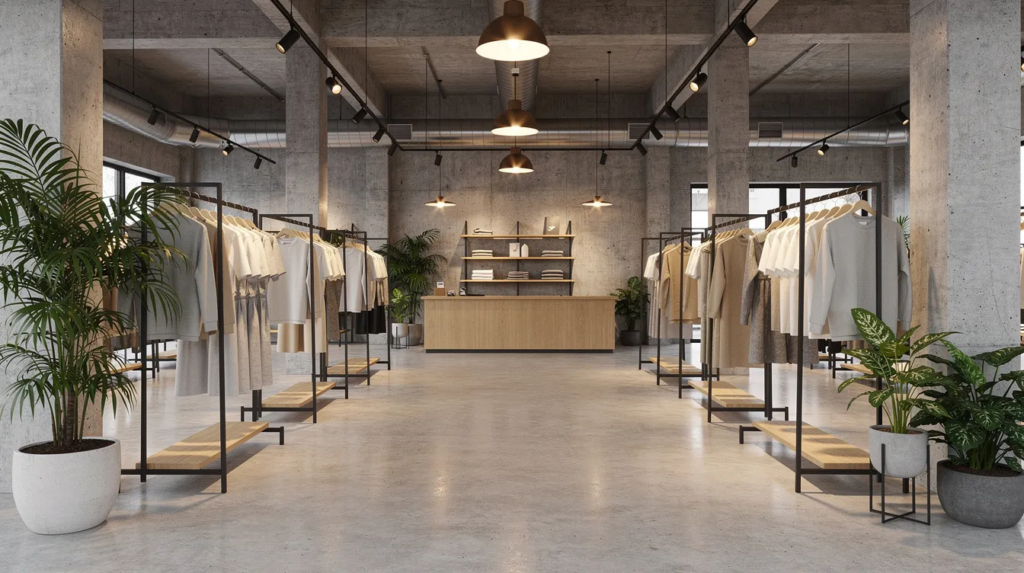
Walk into a concept store, and you’ll notice something different within seconds. The space doesn’t feel like a store at all—it might remind you of a friend’s apartment, an art gallery, or a café where you’d happily spend an entire afternoon. Products are displayed alongside books, flowers, and sometimes even kinetic sculptures. There’s a story unfolding around you, and suddenly, shopping becomes something closer to exploration. The possibilities in concept stores go far beyond traditional shopping, offering visitors a range of experiences and discoveries that invite them to engage, linger, and be inspired.
This article is for retail professionals, brand managers, and anyone interested in innovative shopping experiences. Understanding concept stores is crucial in today’s retail landscape because they represent a powerful response to the challenges of digital disruption and homogenized chain retail. By offering immersive, curated environments, concept stores help brands stand out, foster customer loyalty, and create memorable experiences that keep shoppers coming back.
Concept stores emerged in the late 20th century as a direct response to the homogenization of chain retail. When malls started looking identical from Tokyo to Toronto, a handful of visionary retailers pushed back. In Milan, Carla Sozzani opened 10 Corso Como in 1991, transforming a former industrial space into a courtyard haven that combined fashion, photography books, a restaurant, and even a small hotel. Six years later in Paris, Colette launched on Rue Saint-Honoré, blending high fashion with gadgets, design objects, and a famous “water bar” that served nothing but bottled water from around the world. Concept stores aim to surprise customers with unique products that they may not have encountered before, making each visit an opportunity for unexpected discovery and delight.
What defines a concept store isn’t the product category—it’s the overarching idea. Some build their narrative around street culture, others around sustainability, travel nostalgia, or the intersection of art and fashion. The common thread is intentionality: every item, every corner, every scent and sound is chosen to reinforce a single vision. This article will explore what makes concept stores work, examine iconic examples from Milan to Kuala Lumpur, and offer practical ideas for brands wanting to create their own experiential retail environment. Along the way, we’ll look at how digital signage solutions like Split-Flap TV can extend the concept-store experience without disrupting its analog charm.
What Is a Concept Store?
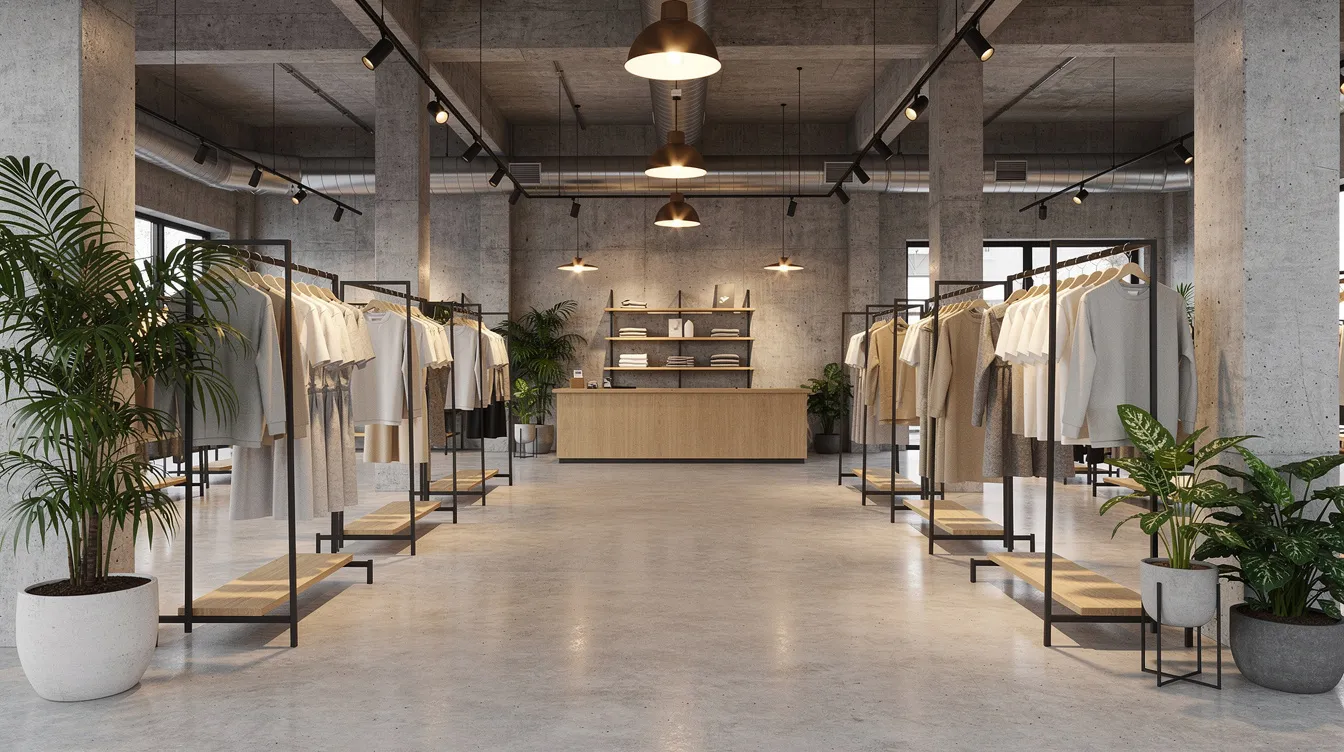
A concept store is a retail environment that offers a unique shopping experience by combining art, culture, and commerce. These stores are designed to entertain customers while shopping, creating an immersive environment that goes beyond simple transactions. The decoration and atmosphere are key elements that contribute to their distinctive identity, with every detail carefully curated to reflect a specific lifestyle or theme. Concept stores prioritize a thoughtfully selected assortment of products, often mixing categories such as fashion, art, and food to enhance the overall shopping experience and reinforce their narrative.
A concept store is a curated, story-driven retail space that combines multiple categories—fashion, design objects, books, food, art—around one strong narrative. Unlike traditional retailers organized by product type, concept stores organize by idea. The goal isn’t just to sell; it’s to deliver an immersive experience that makes customers want to linger, explore, and return.
Here are the defining traits that set concept stores apart:
- Multi-brand or multi-category curation under a unified theme
- Limited-edition items and exclusive collections that create scarcity
- Rotating displays and seasonal refreshes to encourage repeat visits
- Cultural events like art exhibitions, talks, DJ sets, and pop-ups—concept stores often host events and exhibitions at their site to engage customers and create a community atmosphere
- Distinctive interior design that blurs the line between shop and gallery
- Hospitality elements such as cafés, restaurants, or bars
- Personal curation by owners or creative directors with clear taste
There are no fixed rules. Some concept stores include listening rooms where you can sample vinyl. Others feature co-working spaces, perfumeries, or rooftop gardens. The format adapts to the core idea. Dover Street Market, opened in London in 2004 by Rei Kawakubo and Adrian Joffe, treats each brand’s area as an interactive installation that gets rebuilt regularly. Gentle Monster, the South Korean eyewear brand founded in 2011, designs its Seoul and Houston flagships as museum-like environments with kinetic sculptures and surreal architecture. VooStore’s Kreuzberg location in Berlin is a notable site for creative retail, blending fashion, art, and community events. What unites them is a commitment to making the space itself part of the product.
A Stand Against Impersonal Retail
The 2000s and 2010s brought a retail paradox. Shopping became easier than ever—eBay, Amazon, ASOS, and Zara made it possible to buy almost anything with a few clicks or a quick trip to a nearby chain store. But easier didn’t mean better. Storefronts blurred together. The thrill of discovery faded.
Concept stores emerged as a counterpoint. They offered what mass retail and e-commerce couldn’t: scarcity, personal curation, and spaces designed for hanging out rather than quick transactions. When you walked into Colette in Paris before its closure in 2017, you weren’t just shopping—you were participating in a creative community. The store’s buyers discovered emerging brands before anyone else, and the space itself became a meeting point for designers, artists, and fashion insiders.
“Concept stores respond to generic retail by offering something irreplaceable: a physical space with a point of view.”
This shift reflects a broader change in how people consume. Many customers now favor slower, more intentional shopping. They want to know the story behind a product, connect with independent designers, and support sustainability narratives.
Concept stores satisfy that craving by keeping inventories small, rotating frequently, and staging each item as if it belongs in a curated collection rather than a warehouse.
The Webster, founded in Miami in 2009 and later expanded to Los Angeles, demonstrates this approach through architecture. Each location incorporates local art and design elements, making the space feel rooted in its neighborhood rather than transplanted from a corporate playbook. It’s retail that respects place—and customers who visit respond by staying longer and spending more.
Design and Atmosphere: Where the Concept Comes Alive
In a concept store, design isn’t decoration—it’s communication. Every decision about layout, lighting, scent, and sound contributes to the narrative.
Walk into Berlin’s VooStore in Kreuzberg, and you’ll find raw concrete floors, towering ceilings, and an inner courtyard that hosts art exhibitions and screenings. The message is clear: this is a space for Berlin’s creative scene, not a polished chain boutique.
Compare that to 10 Corso Como in Milan, where lush greenery spills across courtyards and black-and-white graphics create visual rhythm. The atmosphere feels like stepping into a private garden party hosted by someone with impeccable taste in books, furniture, and photography.
Here’s how leading concept stores use design elements to build atmosphere:
- Kinetic sculptures and robots at Gentle Monster stores in Seoul and Houston turn eyewear retail into theater
- Dover Street Market rebuilds brand “worlds” regularly, so returning feels like visiting a new exhibition
- VooStore anchors its retail floor with Companion Coffee, making the café a social anchor that extends dwell time
- Casa Cavia in Buenos Aires uses room-by-room design—each space (restaurant, perfumery, bookstore) carries distinct moods while sharing a sensory thread
- The Apartment in Copenhagen stages furniture in real rooms (kitchen, living room, bedroom) to mimic a design-savvy friend’s home
Digital displays can enhance this atmosphere without disrupting it. Retro-inspired boards like split-flap displays, which mimic the split-flap departure boards found in mid-20th-century train stations and airports, announce new capsules, daily café menus, or event schedules while maintaining analog charm. The technology disappears into the environment, delivering dynamic content that feels native to the space.
Concept Stores Around the World
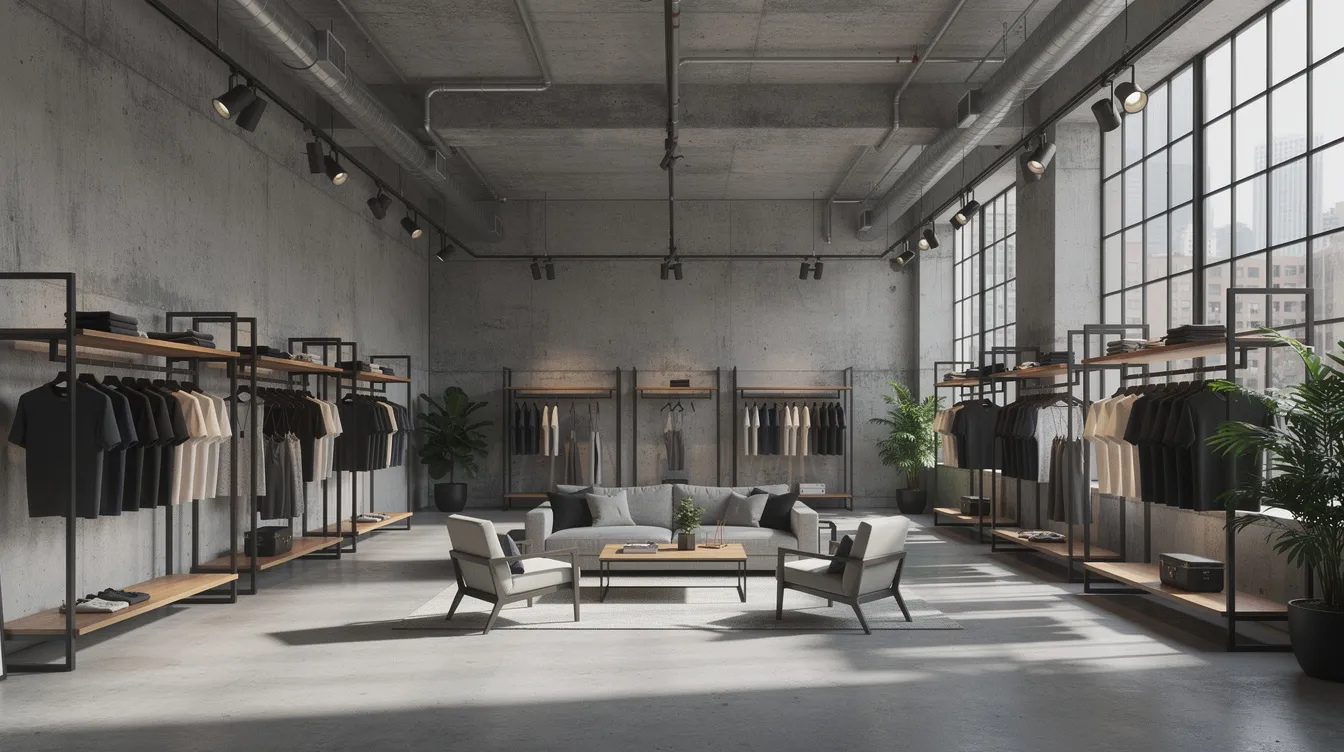
The best way to understand what makes concept stores work is to explore them. The examples below span continents and categories—from fashion-led spaces to hybrid café-bookstore-gallery concepts and even an airplane-turned-boutique. Each demonstrates how a strong narrative, careful selection, and immersive design can transform retail into destination.
10 Corso Como – Milan
Founded by Italian editor and gallerist Carla Sozzani in 1991, 10 Corso Como occupies a former industrial space on Via Tazzoli 3 in Milan. Sozzani transformed the building into a courtyard-filled haven that pioneered “slow shopping.”
- Components include a fashion boutique, art gallery, design and photography bookstore, café/restaurant, and a small hotel called “3 Rooms”
- Black-and-white graphics and lush greenery defined the visual language that influenced concept stores worldwide
- The mix of books, furniture, photography exhibitions, music, and designer fashion remains a reference model in 2026
- Expansions to Seoul, Shanghai, and Beijing brought the concept to new audiences while maintaining curatorial standards
Dover Street Market – London
Launched by Rei Kawakubo and Adrian Joffe in 2004 on Dover Street, this flagship later moved to a larger space on Haymarket in 2016. It embodies “beautiful chaos.”
- Each brand designs its own area as an installation, rebuilt regularly to keep the experience fluid and unpredictable
- The store blends Comme des Garçons, luxury labels, emerging designers, and streetwear under one conceptual roof
- Rotating art exhibitions, Rose Bakery food service, and occasional performance blur the border between shop and cultural venue
- Global outposts in New York, Tokyo, Singapore, Beijing, Los Angeles, and a Paris location focused on parfums extend the model internationally
VooStore – Berlin
VooStore’s Kreuzberg site, opened in the early 2010s, has become a notable location for creative retail in Berlin, taking over a former locksmith’s shop on Oranienstraße. Its raw, minimalist aesthetic captures Berlin’s creative energy.
- Industrial interior features concrete floors, high ceilings, and an inner courtyard for art events and screenings
- Curation focuses on independent labels, art books, magazines, and design objects
- Companion Coffee operates within the space, serving as a social anchor for the neighborhood
- The store hosts readings, launches, and music events, functioning as a community hub beyond retail
Casa Cavia – Buenos Aires
Located in a restored 1920s mansion in Palermo Chico, Casa Cavia opened in the mid-2010s as a space devoted to “cultured hedonism.”
- Components include a restaurant, editorial house, bookstore, flower shop, and perfumery
- Each room carries a distinct function and mood while sharing a focus on sensory experiences (food, scent, print, flora)
- Known for literary dinners, seasonal menus, and collaborations with local designers and perfumers
- Demonstrates how concept-store thinking can transform hospitality and cultural programming
Coming Soon – New York
Coming Soon launched in NYC’s Lower East Side around 2013, founded by Fabiana Faria and Helena Barquet. It helped define a wave of experiential retail in downtown Manhattan.
- Playful interiors feature pastel tones and vintage references
- Inventory includes furniture, lighting, glassware, and fashion-forward home objects from emerging designers
- Focus on one-off pieces and constantly changing selection encourages discovery
- Pioneered “Instagrammable but authentic” retail vignettes before the trend became widespread
Gentle Monster Flagships
Gentle Monster, a South Korean eyewear brand founded in 2011, treats retail as theater. Its flagships in Seoul and Houston function more like museums than stores.
- Each location features kinetic installations, robots, or surreal architectural set pieces
- Every store is designed as an art exhibition with its own narrative, updated seasonally
- The approach encourages repeat visits and social media sharing—the space is the message
- Proves that even a single product category (eyewear) can anchor an immersive experience
Coach Airways – Malaysia
Opened in 2023 at Freeport A’Famosa Outlet in Melaka, Malaysia, Coach Airways occupies a grounded Boeing 747 transformed into a boutique, café, and gallery.
- Interior evokes the golden age of air travel from the 1960s–1970s with aviation-inspired décor
- Features a gender-inclusive Coach collection alongside photo-friendly cabin design
- Demonstrates how concept-store thinking can elevate outlet retail and brand storytelling
- Shows the format’s adaptability—concept stores can work almost anywhere with the right narrative
The Apartment – Copenhagen
Founded by Tina Seidenfaden Busck in 2011 in Christianshavn, The Apartment operates as a showroom staged like a lived-in home.
- Furniture, art, ceramics, and lighting by historic and contemporary designers appear in real rooms (kitchen, living room, bedroom)
- Regular re-styling and exhibitions make the space feel like visiting a design-savvy friend’s apartment
- Influenced “home as showroom” retail concepts and apartment-style furniture stores worldwide
- Items are for sale, but the experience is about discovery rather than transaction
Key Elements That Make a Concept Store Work
After exploring examples from Milan to Copenhagen, patterns emerge. Successful concept stores share core building blocks that any brand can adapt, regardless of size or category.
- A strong narrative that informs every decision, from product selection to playlist
- Curated assortment that mixes categories (fashion, objects, books, food) rather than competing on breadth
- Immersive design where layout, lighting, scent, and sound reinforce the story
- Hospitality elements like cafés or restaurants that increase dwell time and justify repeat visits
- Cultural programming including exhibitions, talks, pop-ups, and launches that build community
- Limited editions and collaborations (capsule collections with artists, local chefs, or designers) that create urgency
- Digital tools that surface stories—designer bios, event schedules, playlists—without overpowering the tactile environment. Modern digital signage solutions often feature an intuitive interface, making it easy for users to create and manage content. Many digital signage platforms also support a variety of apps and integrations to enhance content creation and dynamic displays. These systems can be managed through centralized content management systems, allowing for remote updates and dynamic content delivery.
Many concept stores use food and beverage strategically. VooStore’s Companion Coffee, Casa Cavia’s restaurant, and even Anya Hindmarch’s café in London serve as social anchors. They give customers a reason to visit even when they’re not planning to buy, and they extend the time people spend inside the space.
Digital signage fits naturally here. A nostalgic-style split-flap display board can announce the day’s pour-over selection, highlight a visiting artist’s bio, or countdown to a capsule drop—all while matching the store’s analog aesthetic. The key is making technology serve the narrative rather than interrupt it.
Digital Layers in Concept Stores: From Screens to Split-Flap Boards
Concept stores thrive on analog charm—the texture of a book spine, the scent of fresh flowers, the sound of vinyl playing softly in the corner. But they also need to communicate in real time. Events change, drops happen, menus rotate. The tension between timeless atmosphere and timely information is real.
This is where thoughtful digital signage becomes valuable. Rather than installing generic screens that feel borrowed from a fast-food chain, concept stores can use departure‑board‑style displays that fit their aesthetic. Split-Flap TV offers digital signage software that mimics the retro split-flap boards once found in train stations and airports. The format feels native to spaces inspired by travel, mid-century modern design, or gallery minimalism. Digital signage is widely used in retail stores to enhance branding and advertising efforts, making it a valuable tool for businesses. Companies are increasingly adopting digital signage over traditional printed signage due to its flexibility and real-time update capabilities, while some companies use hybrid solutions to blend both formats for various applications.
Digital signage solutions cater to a wide range of industries, from hospitality and retail to corporate offices and entertainment venues, emphasizing their versatility and industry-specific applications. These systems can be displayed on larger displays such as large-format screens, video walls, and projectors, making them suitable for both intimate and expansive concept store environments. Digital signage can incorporate audience analytics, IoT sensors, or AI-driven personalization to tailor content based on viewer demographics and behavior, improving engagement and enhancing user experience.
Here’s how concept stores are using digital displays effectively:
- Announcing daily café menus and seasonal specials in real time
- Displaying rotating artist collaborations with bio information and event times
- Promoting DJ sets, pop-up launches, or limited-run capsules
- Showing weather updates for terrace seating or outdoor events
- Running live social media counters (Instagram followers, recent posts) to connect online audiences to the physical space
- Scheduling content changes from a browser, enabling quick updates for flash events
- Enabling interactive displays that allow users to interact directly with the signage using touch or gestures
The practical benefits are significant. With free digital signage software trials available, stores can test the format before committing. Digital signage systems can be networked or standalone, with networked systems managed through centralized content management systems for streamlined operations. Content management systems allow scheduling across as many screens as needed, syncing multiple devices across locations, and providing comprehensive control over user privileges, device operation, and network health monitoring. These systems can be managed via software applications on a computer or mobile device, allowing for instant updates and remote control. Digital signage systems also support multiple file types and are enhanced by customizable templates for effortless design. And because the display mimics mechanical flip boards, it maintains the tactile, analog feel that concept stores cultivate—even while delivering dynamic content.
Creating Engaging Content for Concept Stores
Dynamic Content Strategies
In the sophisticated realm of concept stores, content transcends mere information—it becomes the pulsating lifeforce that draws customers into an almost magnetic embrace, beckoning them to return again and again. To authentically capture attention and cultivate genuine loyalty, stores must orchestrate dynamic, emotionally resonant content that mirrors their distinctive vision with precision and soul.
This means transcending static, lifeless displays and embracing digital signage software to deliver real-time content that speaks directly to the hearts and minds of today’s discerning audiences.
Consider Dover Street Market—a masterclass in experiential retail that’s renowned for its continuously evolving tapestry of art exhibitions, exclusive collections, and cultural happenings, all promoted through striking digital displays and interactive installations that feel almost alive.
By thoughtfully showcasing emerging brands and fashion capsules alongside meticulously curated art, concept stores create an intoxicating sense of discovery—that “wow moment” atmosphere that encourages customers to linger, explore, and lose themselves in the experience.
Digital signage empowers stores to refresh content instantaneously—whether announcing a groundbreaking art exhibition, spotlighting a collaboration with an emerging designer whose work pulses with creativity, or promoting a pop-up event that promises unexpected delights.
Interactive installations and digital displays invite customers to engage directly and meaningfully—perhaps by voting for their favorite piece in a gallery-style setup that feels personal and tactile, or sharing their experience across social media platforms, amplifying the store’s reach in authentic, story-driven ways.
Ultimately, the art lies in utilizing digital signage software not merely as a tool for information distribution, but as a sophisticated creative platform that forges genuine connections with customers, delivers the brand’s message with emotional impact, and ensures every visit feels refreshingly new and emotionally engaging.
By masterfully blending cutting-edge technology with art and compelling storytelling, concept stores craft immersive experiences that distinguish them as singular destinations—places where mechanical precision meets human emotion on any street corner.
Personalized Customer Service in Experiential Retail
Blending Technology and Human Touch
Personalized customer service pulses at the very heart of experiential retail — transforming ordinary shopping trips into deeply meaningful, almost magical journeys that linger in memory long after the visit ends.
In concept stores, staff embody something far more profound than salespeople — they’re passionate storytellers, thoughtful curators, and intuitive guides who help customers navigate exclusive collections with genuine care and discover emerging designers through authentic, personal connections.
To truly elevate the guest experience, stores can harness the elegant power of a digital signage network paired with a sophisticated content management system — creating real‑time, emotionally resonant information that feels personally crafted for each visitor.
Picture digital displays that don’t just inform but enchant, introducing customers to the heartfelt story behind a new fashion line or lovingly spotlighting the creative journey of an up‑and‑coming designer, making every single interaction feel deeply personal and profoundly meaningful.
Technology enhances rather than replaces the irreplaceable human touch — it breathes life into the space itself.
Imagine a customer entering a concept store and being warmly welcomed by a digital display that thoughtfully highlights current cultural events, carefully personalized recommendations, or even exclusive upcoming workshops that spark genuine excitement.
Staff, gracefully equipped with insights from the content management system, can offer beautifully tailored advice and extend heartfelt invitations to exclusive in‑store experiences that feel like treasured discoveries.
By harmoniously combining knowledgeable, passionate staff with intelligently crafted digital signage, concept stores create a seamless, almost choreographed blend of authentic personal interaction and technological elegance that feels alive and purposeful.
This approach not only genuinely delights customers but also nurtures lasting, meaningful relationships — ensuring that every visit feels uniquely special and every customer feels deeply valued and understood.
The Power of Storytelling in Concept Store Experiences
Storytelling Tools and Techniques
Storytelling is that magical ingredient — the one that transforms an ordinary concept store from a simple shopping destination into something customers remember, something that makes them smile.
Through compelling narratives that feel personal and authentic, stores create emotional connections that run deeper than any transaction, making every visit feel like stepping into a story you want to be part of.
Concept stores have this wonderful toolkit for weaving their narratives:
- Art exhibitions that speak to your soul and reflect what the brand truly believes in
- Interactive installations that invite you to touch, explore, and participate
- Carefully curated selections that feel like they were chosen just for people like you
Digital signage software becomes this beautiful storytelling companion — enabling stores to showcase the journey of emerging brands with that “this is how it all began” warmth, highlight the craftsmanship behind exclusive collections in ways that make you appreciate every detail, and share the cultural significance of featured artists so you feel connected to something bigger.
Picture this: a concept store uses digital displays to tell the story of a sustainable fashion label — not just facts and figures, but behind-the-scenes videos that feel intimate, designer interviews where you hear the passion in their voice, and real-time updates on new arrivals that create that wonderful sense of discovery.
Interactive installations take you even deeper, letting you explore the creative process with your own hands, contribute your own perspective, and become part of the story rather than just observing it.
When stores leverage digital signage and creative content in this thoughtful way, they deliver something rare — an immersive experience that transcends retail and becomes meaningful.
They invite customers to step inside the story, connect with the brand’s message on a human level, and return again and again not just to shop, but to see what new chapter unfolds next.
Marketing and Promotion: Drawing Shoppers In
Drawing shoppers into a concept store requires something deeper than traditional marketing—it demands creating moments of genuine wonder and emotional connection.
The most beloved stores today understand that visitors crave experiences that feel both meaningful and memorable, blending the warmth of human touch with the excitement of discovery.
Social media platforms, influencer partnerships, and email campaigns become pathways to building that special anticipation—the kind that makes people feel like they’re being invited into something exclusive and cherished.
But it’s within the store itself where the real magic unfolds. Through thoughtful use of free digital signage software, stores can craft displays that feel alive and responsive, announcing limited-time treasures, celebrating upcoming cultural moments, and showcasing fresh arrivals with an almost childlike enthusiasm—all unfolding in real time.
Picture this: a concept store uses digital signage to whisper about a new art exhibition or suddenly announce a flash sale on that collection everyone’s been talking about.
Visitors can’t help but share these delightful discoveries, their excitement spreading naturally through social networks like ripples of joy.
Loyalty programs and rewards, beautifully presented through these digital canvases, transform repeat visits into something that feels less like shopping and more like coming home to a community that truly understands you.
When online and offline experiences dance together in harmony, concept stores create environments that pulse with life and possibility.
Every visit becomes a journey of discovery—where shoppers don’t just find products, they find pieces of themselves, moments of connection, and stories worth sharing.
This is retail as it should be: deeply human, endlessly surprising, and emotionally unforgettable.
Measuring Success: Metrics for Experiential Retail
Success in experiential retail goes beyond mere numbers—it’s about discovering the magic of how customers fall in love with your space, connect with your brand story, and create those wonderful memories that linger.
Concept stores need a beautifully holistic approach to measurement, weaving together both the tangible data and the intangible moments of wonder to capture the full emotional impact of their enchanting efforts.
Key performance indicators might include:
- The delightful flow of foot traffic
- Those precious moments when customers pause in wonder
- The charming lift in sales
- The magical spark of customer engagement—both within your physical sanctuary and across digital touchpoints
Digital signage software and content management systems become like gentle observers, collecting and analyzing these beautiful interactions with an almost childlike curiosity, offering heartwarming insights into which displays capture the most fascinated attention, which events create those “wow moments” that draw visitors like moths to light, and what content truly resonates with the souls of different audiences.
For instance, digital displays can become wonderful conversation starters—gathering real-time customer feedback with the warmth of a friendly chat, tracking the joyful participation in cultural events that feel more like celebrations, or monitoring the effectiveness of marketing campaigns with the precision of a craftsman and the heart of a storyteller.
By analyzing this treasure trove of human data, stores can lovingly refine their content, optimize layouts with the care of a curator, and tailor experiences that feel as personal and meaningful as a handwritten letter.
Ultimately, leveraging data analytics becomes a beautiful dance of understanding—empowering concept stores to stay gracefully agile, nurture genuine customer delight, and cultivate business growth that feels organic and authentic.
In this rapidly evolving retail landscape, those who measure with wonder and adapt with heart will continue to lead—creating those magical experiences that make shoppers feel truly seen, understood, and eager to return for more of that special something that can’t quite be replicated anywhere else.
How to Create Your Own Concept Store Experience
You don’t need a Boeing 747 or a Milan courtyard to apply concept-store principles. Independent retailers, cafés, small hotel lobbies, and lifestyle brands can all evolve toward experiential retail with the right approach.
Start with your core concept. What’s the overarching idea that unites everything you offer? It might be cycling culture, vinyl and coffee, coastal living, or sustainable fashion. The concept should feel specific enough to guide decisions but broad enough to allow creative expansion.
Here’s a step-by-step framework:
- Define your narrative in one sentence—this becomes your filter for every product and design choice.
- Curate complementary categories rather than competing on depth within one (e.g., fashion + books + espresso bar, or florist + wine shop + gallery).
- Design the space to reinforce the story through layout, lighting, materials, and scent.
- Plan programming: rotating exhibitions, local collaborations, seasonal events that give customers reasons to return.
- Use flexible fixtures that allow quick refreshes without major renovations.
- Install digital signage that fits your aesthetic—Split-Flap TV works on existing smart TVs, tablets, or media players, making it easy to add storytelling without hardware investments.
- Connect hospitality to retail: even a simple coffee station extends dwell time and creates community.
The goal isn’t to replicate Dover Street Market’s scale. It’s to create a space with a point of view—somewhere customers want to explore, not just transact.
Concept Stores vs Traditional Retail and E‑Commerce
Understanding what concept stores do differently helps clarify their value. Traditional mono-brand stores optimize for one thing: selling that brand’s products. Big-box chains optimize for selection and price. E-commerce platforms like Amazon, ASOS, and Zalando optimize for convenience and speed. All have their place.
Concept stores compete on a different axis entirely. They offer something e-commerce cannot deliver: tactile discovery, social interaction, and event-based community building. You can’t smell a candle through a screen. You can’t stumble upon a book while waiting for your espresso. You can’t attend a DJ set or gallery opening in a fulfillment center.
Many concept stores now use hybrid strategies to bridge physical and digital:
- Click-and-collect lets online customers pick up orders while experiencing the space
- Online previews of in-store installations build anticipation for visits
- Livestreamed events expand audiences beyond geographic limitations
- QR codes next to artworks or objects link to deeper content—artist interviews, production stories, care instructions
Digital displays in-store can extend this bridge. A Split-Flap TV board showing live customer reviews from the web, rotating lookbook images, or TikTok content creates visual engagement that connects the physical space to its digital presence. The screen becomes a window, not a wall.
The Future of Concept Stores
Concept stores will continue evolving as consumer values shift and technology advances. Several trends are already visible.
Sustainability is moving from differentiator to expectation. Second-hand sections, upcycling boutiques, and transparent supply chain storytelling are becoming standard features rather than novelties. Customers increasingly demand that brands justify their environmental impact.
Post-2020 shifts reinforced the importance of hospitality. Smaller but deeper inventories, more flexible pop-up corners, and a stronger role for cafés and cultural events help justify in-person visits in an era when almost anything can be ordered online. The stores that survived learned to give customers reasons to show up.
Here’s where the format is heading:
- Hyper-local curation emphasizing neighborhood makers and regional designers
- Membership-based communities offering exclusive access to events and early drops
- “Concept corners” appearing in hotels, co-working spaces, and corporate offices
- Data-driven digital signage that stays “invisible but powerful”—supporting operations and storytelling without undermining analog atmosphere
- Deeper integration of food, wine, and hospitality into retail experiences
Digital signage solutions like Split-Flap TV fit naturally into this future. They enable real time content updates, scheduling across multiple locations, and visual consistency across operating systems and devices—all while maintaining the retro aesthetic that resonates with concept-store audiences. A hotel lobby can become a concept corner. A café can evolve into a discovery destination. Public spaces like transportation hubs can incorporate retail storytelling without feeling commercial.
The fundamental insight remains unchanged: people crave spaces with meaning. They want to connect with brands that have something to say, explore environments that surprise them, and participate in communities built around shared interests. Concept stores deliver all of this. And as retail continues evolving, the stores that capture attention will be the ones that never stop telling their story.
Whether you manage a boutique, run a café, or oversee a hotel lobby, the principles behind concept stores are within reach. Define your narrative. Curate with intention. Design for experience. And use digital tools—from content management systems to nostalgic split-flap displays—to keep your story fresh without constant remodeling. The future of retail isn’t about selling more. It’s about meaning more.