
What Are Digital Menu Boards
August 10, 2026 · Kurt Dupont
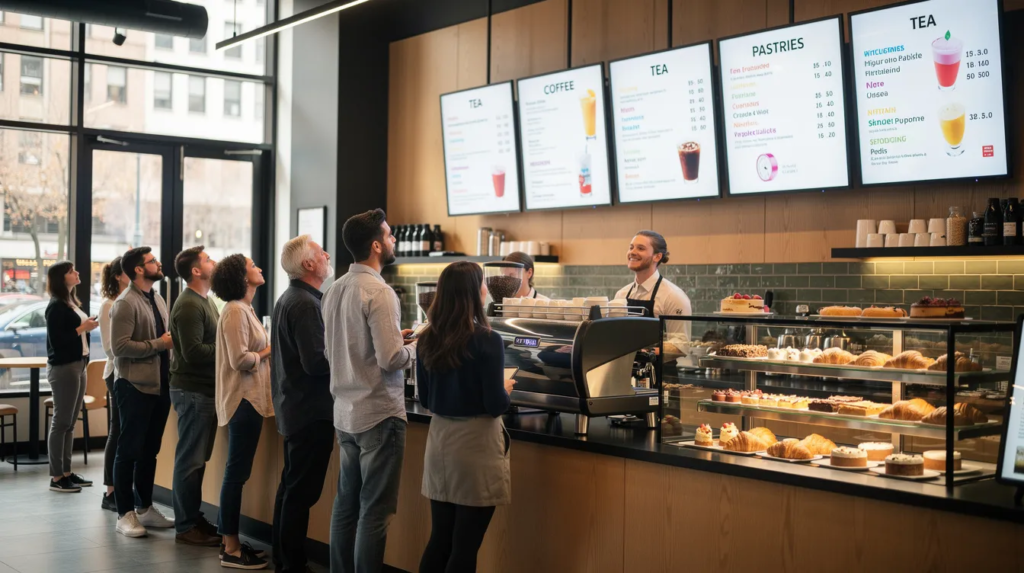
The days of reprinting paper menus every time egg prices shift are fading. Digital menu boards are screen-based, dynamic displays used by restaurants to showcase menus, prices, and promotions in real-time. Digital menu boards now power thousands of restaurants, cafés, and food halls worldwide—displaying prices, dishes, allergens, and special offers on vibrant displays that update in real time. This guide is designed for restaurant owners, managers, and hospitality professionals considering or upgrading to digital menu boards. As customer expectations and operational challenges evolve, digital menu boards have become essential for modern hospitality businesses. This guide explores why these screens matter in 2026, how they effectively boost sales and streamline operations, and why the original SplitflapTV approach stands apart from generic solutions.
Related reading: Signage for Restaurant: From Classic Signs to Digital Menu Boards and SplitflapTV
Related reading: Digital Announcement Board: Why Your Business Needs One and How to Get Started
What Are Digital Menu Boards (and Why They Matter in 2026)
Digital menu boards are screen-based, dynamic displays used by restaurants to showcase menus, prices, and promotions in real-time. Digital menu boards are electronic screens—typically LCD or LED displays—positioned behind counters or at entry points in QSRs, cafés, bars, and canteens. They replace static printed menus with dynamic content: high-resolution images of menu items, calorie counts, allergen warnings, and rotating promos that change with just a few clicks from any computer or app.
The focus here is indoor, customer-facing technology—not roadside drive-thru setups. Think of the screen behind the counter at your favorite burger joint or the display greeting you at a specialty coffee shop entrance.
Who uses them? Quick-service restaurants, independent cafés, multi-location chains, food halls, and hotel canteens. What results can you expect? Operators commonly report 10-25% increases in average order value through strategic upsells, alongside 20-35% reductions in perceived wait time thanks to engaging visuals that ease decision fatigue.
This article ends by comparing conventional LED menu TV solutions against SplitflapTV—a digital signage approach that emulates vintage split-flap animations for a memorable, fully customizable experience, similar to how modern digital split-flap displays replicate the charm of mechanical boards while adding flexibility.
Why Restaurants and Cafés Need Digital Menu Boards Today
Digital menu boards aren’t aesthetic upgrades—they’re revenue, experience, and operations tools working simultaneously.
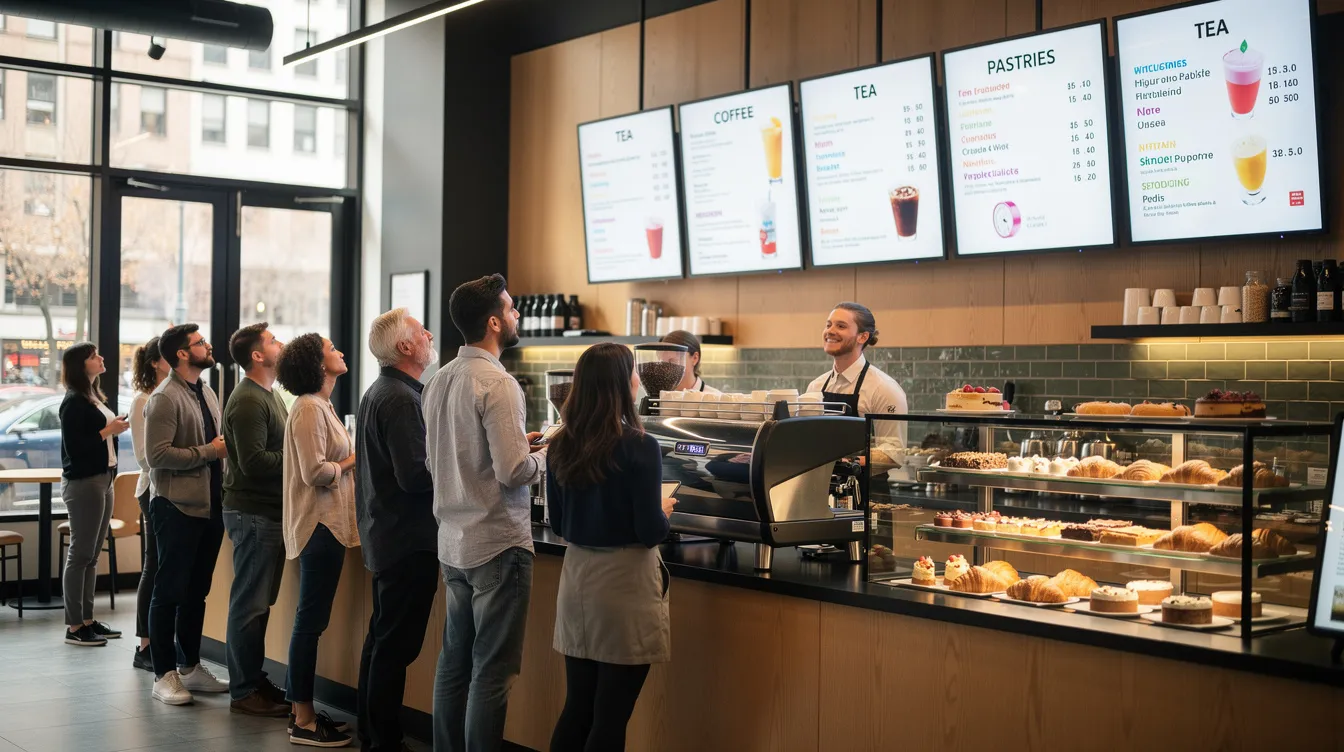
Over 80% of operators report measurable sales lifts from dynamic content. The mechanism is simple: when customers queue during peak hours (12:00–14:00 on weekdays), visually compelling meal deals and combo images influence choices before they reach the counter.
Key drivers:
- Revenue boost: Contextual drink pairings and side attachments increase average tickets
- Price agility: After 2022–2025 inflation waves, smaller operators need to adjust pricing without costly reprints
- Modern expectations: Customers expect real time allergen info, calorie labeling, and clear visibility from 3–5 meters away
- Operational efficiency: Instant updates eliminate print logistics entirely
Key Numbers That Show the Impact of Digital Menu Boards
Let’s move past vague promises to concrete, research-backed ranges.
Sales uplift typically runs 3-5% from visual appeal alone, scaling to 10-25% when targeting high margin items with rotating promos. Perceived wait time drops 20-35% when menus feature engaging content instead of static text. Upsell rates climb 15-30% through contextual displays like “make it a meal” positioned near entrees.
Impact varies by concept—coffee shops see higher attachment for syrup upgrades, burger QSRs excel at combo pushes, and bars thrive with happy hours messaging.
- Average order value: 10-25% increase through strategic upsells
- Perceived wait: 20-35% shorter with dynamic visuals
- Upsell conversion: 15-30% improvement via contextual positioning
- Worked example: A small burger shop with $50,000 monthly revenue could gain $5,000-12,500 extra monthly from upsells—that’s $60,000-150,000 annually
Core Benefits: From Customer Experience to Cost Savings
Digital menu boards connect directly to three pillars: more revenue, smoother operations, and better customer experience.
- Customer experience: Brighter displays (500-700 nits) ensure readability under indoor lighting. Motion elements draw eyes to combos, kids’ meals, vegan options, and seasonal specials for seamless scanning.
- Upsell and cross-sell: Rotating promos position “add-on desserts” or barista upgrades adjacent to related items—boosting margins without staff intervention.
- Operations: Change prices second-by-second, remove sold-out items instantly, and swap seasonal menus without waiting for printers.
- Compliance: Calories, allergens, origin notes, and legal statements update centrally across all locations when regulations change.
- Marketing: Run limited-time offers tied to specific days—Taco Tuesday, Friday happy hours—without extra print costs.
Practical Use Cases: How Digital Menu Boards Sell For You
Abstract benefits become tangible when you see them in action.
- Upsell while they queue: Display combo images showing high-margin fries and drinks while customers stand in line. A burger shop featuring “upgrade to loaded fries” visuals during lunch sees immediate attachment rate increases.
- Attract from the street: Position one screen facing outward showing hero dishes or brunch specials. Pedestrians notice—walk-ins can lift 10-15%.
- Entertain and inform: Mix menu content with brand stories, brewery origins, or weather updates. This reduces perceived wait time and creates more customers through engagement.
- Advertise loyalty and events: Promote stamp cards, app downloads, live music nights, and catering options on the same displays showing dinner menus.
- Dayparting: Schedule automatic switches—breakfast at 7:00, lunch at 11:30, afternoon coffee at 16:00, dinner at 18:00. Different menus appear without manual updates.
Essential Components of a Digital Menu Board Setup
You need three things: screens, a media player, and software—plus quality content.
- Screens: 43-55 inch displays work well for most counters. Choose 700+ nits for window-facing setups. Portrait orientation suits vertical menus; landscape mode fits wide layouts. Video walls work for larger venues.
- Media player: Dedicated hardware outperforms built-in smart TV apps for 24/7 reliability. A separate player app ensures central management and offline fallback.
- Software: Cloud-based digital menu board software enables scheduling, templates, and multi-location control from any browser. Content management becomes straightforward.
- Content: Professional food photography, sans-serif fonts at 72-120pt for 3-5m viewing, and 4.5:1+ contrast ratios are essential. Poor images undermine everything else.
Designing Effective Digital Menu Content
Design quality separates “TV on wall” from a menu board that drives sales.
- Hierarchy: Group items logically—burgers, salads, drinks. Highlight signature dishes with larger images or accent colors. Customers should scan effortlessly.
- Readability: Use 100pt+ fonts for 2-5 meter viewing. Dark text on light backgrounds (or vice versa) ensures contrast. Never sacrifice legibility for aesthetics.
- Motion and restraint: Subtle animations (3-5 second fades) draw attention without overwhelming. Avoid constant videos that distract from ordering.
- Dietary icons: Standardize vegan, gluten-free, and spicy icons placed consistently across all items. Customers learn to spot them quickly.
Quick checklist: Do use high-contrast layouts and test different arrangements. Avoid cluttered screens, tiny text, or chaotic animations that confuse rather than engage customers.
Dayparting and Scheduling: Serving the Right Menu at the Right Time
Dayparting is a game-changer for restaurants looking to maximize both customer experience and sales. With digital menu board software, it’s never been easier to schedule and display different menus throughout the day—breakfast, lunch, and dinner—tailored to customer preferences and peak demand times. In just a few clicks, operators can create and manage multiple menus, ensuring that the right dishes and specials are always front and center.
For example, a café might showcase a breakfast menu featuring pastries and coffee from 6am to 11am, then automatically switch to a lunch menu with sandwiches and salads until 5pm, followed by a dinner menu with heartier options. This seamless scheduling means customers always see the most relevant menu, reducing confusion and enhancing satisfaction. By presenting the right menu at the right time, restaurants can boost sales, minimize manual updates, and deliver a consistently excellent customer experience—all powered by flexible digital menu board software.
Screen Visibility and Synchronization: Ensuring Every Guest Sees Your Best
Ensuring every guest has a clear view of your offerings is essential for driving engagement and sales. Digital signage solutions make it possible to deploy high-definition displays with vibrant visuals that capture attention and showcase menu items in the best possible light. Whether you’re using one screen or multiple screens across your restaurant, synchronized content ensures that every customer sees the same promotions, specials, and menu items—no matter where they’re seated.
With digital signage, restaurants can create engaging content that’s fully customizable and easy to update. Multiple screens can be used to highlight different sections of the menu, feature limited-time offers, or display dynamic visuals that enhance the overall atmosphere. Synchronization across displays guarantees consistency, so your messaging is always on point and your brand looks polished. The result? A more engaging experience that encourages customers to explore your full range of menu options.
Operational Tips: Making Digital Menus Easy to Run
For owners fearing “more tech to manage”—next‑generation digital signage platforms like Split‑Flap TV actually save time.
- Content planning: Build a 4-week rotation calendar for specials and promos. Staff stop improvising; consistency improves.
- Daypart scheduling: Set up time-based playlists once (weekdays vs weekends, lunch vs late-night). Daily manual work disappears, and you can lean into the comeback of split-flap displays in digital spaces to keep content fresh and engaging.
- Pricing updates: Link to POS where possible, or create a standard workflow—who edits, who approves—when prices change.
- Multi-location consistency: Centralized templates maintain chain-wide branding while allowing local customization for city-specific items.
One independent café switched from USB-stick updates to cloud scheduling and cut menu admin time by half—that’s hours reclaimed weekly for actual service—illustrating how split flap display boards that actually work can streamline everyday communication.
Tracking Customer Wait Times: Turning Data Into Better Service
Understanding and managing customer wait times is key to delivering top-notch service and driving sales. Digital menu boards, paired with analytics software, allow restaurants to track how long customers spend waiting to order or receive their meals. By analyzing this data, operators can identify bottlenecks during peak hours and make informed decisions to streamline service—whether that means adjusting staffing levels, refining the ordering process, or optimizing menu content.
With real-time insights from digital menu software, restaurants can proactively address issues before they impact the customer experience. Shorter wait times lead to happier customers, increased order accuracy, and more efficient service—all of which contribute to higher sales and repeat business. By leveraging digital tools to monitor and improve wait times, restaurants can turn data into a powerful driver of operational excellence.
Crew Member Interactivity: Empowering Staff With Digital Tools
Empowering your team with digital tools transforms the way staff interact with both the menu and your customers. Digital menu boards and companion mobile apps give crew members instant access to real-time information on menu items, specials, and promotions. This means staff can confidently answer customer questions, suggest add-ons, and provide up-to-date recommendations—enhancing the overall service experience.
Mobile apps also streamline communication between the front and back of house, allowing orders to be managed efficiently and reducing the risk of errors. With digital menu solutions, staff can update menu content, mark items as sold out, or highlight new specials with just a few taps. The result is a more responsive, knowledgeable team that delivers faster, friendlier service—keeping customers satisfied and operations running smoothly.
How Digital Menu Boards Save Money Long-Term
The shift from recurring print costs to predictable digital OPEX pays off quickly.
- Printing and logistics: Four seasonal menu changes annually might cost $500-2,000 per site in printing. A 3-location group saves $1,000-5,000 yearly.
- Error correction: Fixing typos, wrong prices, or 86’d items digitally avoids wasted print runs and customer frustration.
- Sustainability: Fewer paper and plastic menus going to landfill aligns with ESG goals—something customers increasingly notice.
- Campaign efficiency: A/B testing images and offers becomes feasible. Budget flows to promos that actually convert, not guesswork.
Integration With POS and Other Systems
Integration isn’t mandatory for every small café, but becomes powerful with multiple screens or locations.
- POS-linked updates: Prices and item availability sync in real time. Change pricing in your POS; displays reflect it instantly.
- Inventory-driven messaging: Dim sold-out items automatically or push alternative featured dishes when stock runs low. Order accuracy improves.
- Analytics: Compare sales while different promos run on-screen. Data informs future menu engineering without requiring technical expertise.
Choosing the Right Digital Menu Board Solution
A buyer’s checklist keeps you focused on what matters.
- Reliability: 24/7 operation, offline fallback playlists, recovery from power cuts
- Usability: Non-technical staff should update prices and images after brief onboarding; browser-based interfaces work best
- Scalability: Add screens, sites, and new formats without switching platforms
- Support: Clear documentation, responsive help, remote diagnostics
DIY TV + USB + PowerPoint seems cheap but lacks central control, fails unpredictably, and demands constant manual intervention. Professional digital signage delivers automation and reliability that justify the investment.
Why Guests Love the Original SplitflapTV Approach
SplitflapTV offers something different—a digital menu system inspired by classic split-flap boards commonly found in 20th-century train stations and airports.
The signature flip animation carries tactile charm that generic LED displays simply can’t match. There’s something alive about mechanical motion, even when it’s digital. Menus feel playful and memorable rather than purely utilitarian.
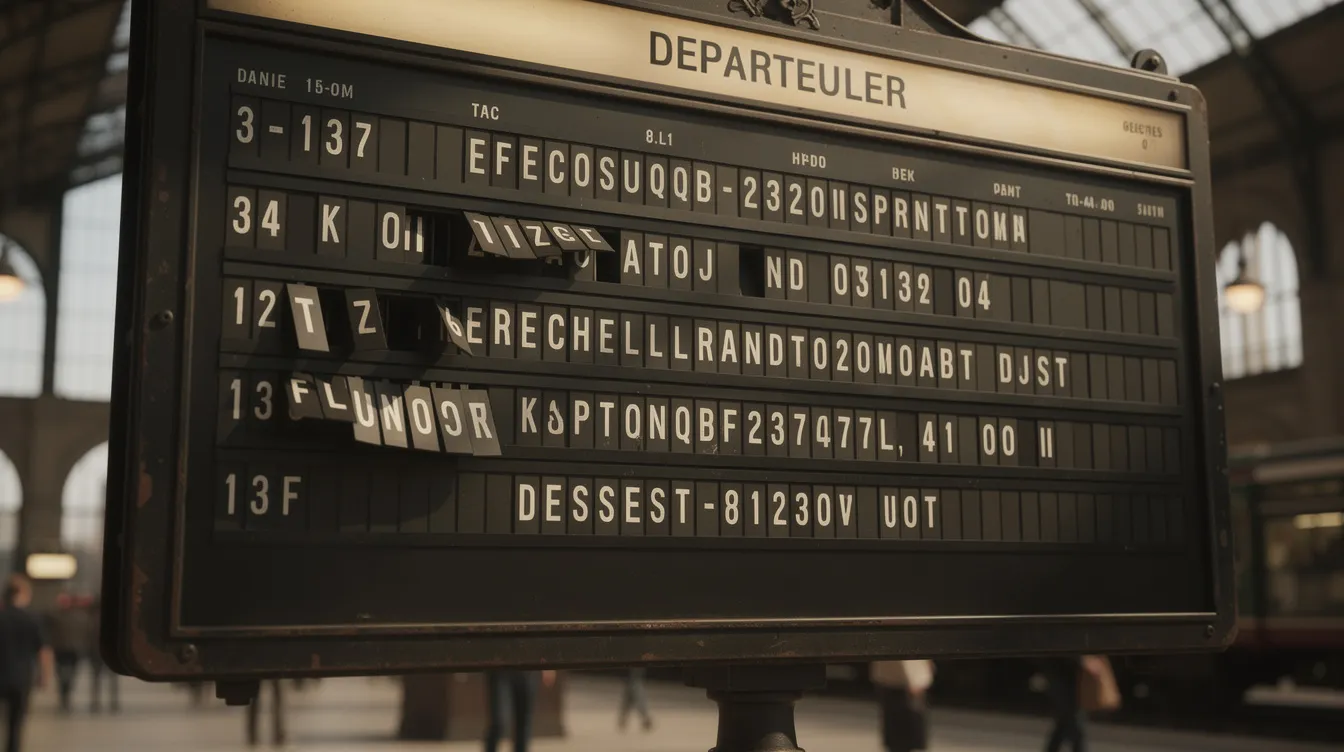
Guests react with genuine delight. They look up, take photos, share on social media—turning your menu into free marketing. An independent burger bar using SplitflapTV to highlight their rotating “guest burger of the week” creates brand moments that customers talk about.
The atmosphere evokes nostalgia while delivering modern speed. It’s experience-driven technology that makes people smile, especially in high-traffic venues where Split-Flap TV for business signage helps menus and messages stand out.
How SplitflapTV Delivers All the Benefits of Digital, With More Character
SplitflapTV merges digital flexibility—instant updates, scheduling, remote management—with the nostalgic charm of mechanical signage, giving venues a digital split-flap display solution that emphasizes both character and performance.
- Upsell power: Animated flips draw attention to high margin items, combos, and timed offers without loud video ads. Customer engagement happens naturally.
- Ease of updates: Staff change prices, items, and specials from a simple web interface. No design degree or motion designer needed. Users find it intuitive.
- Dayparting and events: Schedule breakfast vs dinner vs late-night menus automatically. Promote quiz nights or limited-time tastings at set times.
- Multi-location control: Groups roll out campaigns across all sites with just a few clicks while customizing each location’s highlights.
- Differentiation: Unlike generic menu TV solutions that blur together, SplitflapTV immediately communicates brand personality. Guests remember you, much like venues that choose modern split-flap display alternatives to add retro flair.
Tips for Getting the Most From SplitflapTV in Your Venue
Practical guidance for venues considering or already using SplitflapTV.
- Layout planning: Decide early which zones hold core menu items, which feature rotating specials, and which display brand messages.
- Content cadence: Flip key items every 8-15 seconds. Guests have time to read while still noticing the motion that draws attention.
- Storytelling: Use occasional “intermission” slides for sourcing stories, brand facts, or humor between menu flips.
- Testing: Try different headline wordings or promo rotations—featuring desserts earlier in the loop, for example—and watch sales impact over a few weeks.
Onboarding templates help venues launch within a day. The full range of features becomes accessible without extensive training—create your content, schedule it, and let SplitflapTV work.
Going Beyond the Menu: Live Data, Sound, and Timing
A digital menu board does not have to show only dishes and prices. Split-Flap TV can pull real-time data such as news, weather, and social media counters into the same display, so the board can carry timely information alongside the menu. For a café or hotel bar, that means the screen stays relevant between menu changes instead of repeating the same loop all day.
The look and feel are adjustable as well. Colors, flip sounds, and the duration of each animation can be tailored to the venue, so a quiet coffee shop and a lively bar can use the same format in very different ways. The familiar clicking sound, once heard across airports and train stations, is part of what makes each update noticeable, and it can be tuned to fit the room rather than dominate it.
Regular Screens Instead of Specialist Hardware
Split-Flap TV runs on regular television screens and tablets rather than dedicated mechanical boards. Traditional analog split-flap displays can carry a hefty price tag; running the same visual style on existing screens makes it a more accessible investment for businesses of any size.
Because the app handles content, changing or scheduling the display is quick. That matters most on hectic days when specials or prices change on the fly: staff update the board in the app instead of reprinting or rewriting, which gives them one less thing to worry about during service.
From Static Boards to SplitflapTV: Next Steps
Moving from static printed boards or DIY TV setups to purpose-built digital menus transforms how guests order and how your business operates.
Why digital menu boards are now essential:
- Flexible pricing that responds to market conditions
- Better upsell through visual appeal and strategic positioning
- Improved customer experience that reduces decision fatigue
- Long-term cost savings that compound over time
Why SplitflapTV stands out: The combination of operational benefits—real time updates, scheduling, media content flexibility—with iconic aesthetics that guests actually talk about makes SplitflapTV the recommended choice for venues seeking character alongside effectiveness.
Ready to see the difference? Explore a demo or start a pilot installation in one location. In 2026, digital menus aren’t optional—they’re how modern hospitality operates. SplitflapTV ensures you operate with both efficiency and personality.
The Future of Digital Menu Boards
The future of digital menu boards is bright, with technology evolving to create even more engaging and personalized experiences for customers. Artificial intelligence is enabling smarter recommendations and dynamic pricing, while augmented reality brings menus to life with interactive visuals and immersive storytelling. AI-powered chatbots can guide customers through menu choices, answer questions, and suggest meal deals based on individual preferences.
Integration with mobile apps and loyalty programs will make it easier than ever for restaurants to create seamless, personalized journeys—rewarding repeat customers and encouraging higher spend. As digital menu technology continues to advance, expect to see more interactive displays, real-time customization, and innovative ways to engage customers both in-store and online. The next generation of digital menu boards will not only inform, but truly delight—setting new standards for customer experience in the restaurant industry.