Modern Letter Board: From Classic Felt Signs to SplitflapTV Displays
April 23, 2026 · Captain
Introduction to Modern Letter Boards
A modern letter board is a changeable display board used for a variety of signage applications, such as office building directories and restaurant menu displays. Letter boards have become a popular tool for communication and decor in a variety of settings, from homes and offices to cafés and commercial spaces. This guide is for anyone interested in using modern letter boards for home, office, or commercial spaces, whether for decorative, informational, or branding purposes.
Between 2010 and 2020, letter boards became fixtures in homes, offices, cafés, and events across the globe. These tactile message displays—featuring rows of grooves or felt backing where users manually insert plastic letters and symbols, commonly referred to as changeable letters—captured the Instagram aesthetic and Pinterest-driven interior design trends of the era. Traditional letter boards offered a charming, analog way to display quotes, announcements, and menus, but they came with significant limitations that many users discovered over time.
Today, modern alternatives like SplitflapTV use digital split-flap technology to recreate the nostalgic look of mechanical signage while eliminating the headaches of manual character management. This article will first explain what classic letter boards are and their common disadvantages, then introduce SplitflapTV as a dynamic, scalable alternative for anyone seeking the charm of a letter board without the operational friction.
The Full Range of Modern Letter Board Types, Materials, Mounting Options, and Use Cases
Modern letter boards come in a wide variety of types, materials, mounting options, and use cases to suit every need and environment:
- Materials: Modern letter boards come in various materials, including felt and vinyl, and are available in various sizes and materials, including wood and metal frames. Some boards feature durable plastic or composite materials for high-traffic or outdoor use.
- Frame Options: Choose from real wood, MDF with wood veneer, sleek metal, or plastic frames. Wall-mounted letter boards are available in both metal and wood frame finishes.
- Mounting Styles: Letter boards can be wall-mounted, free-standing, or ceiling-mounted, providing flexibility in display options. Free-standing letter boards are designed for various settings, including retail stores and corporate facilities. Enclosed letter boards are available in various sizes and can be wall-mounted or free-standing for added security.
- Outdoor and Specialty Boards: Outdoor letter boards are constructed to be weather-resistant and suitable for public areas, often featuring lockable designs and moisture-preventing features. Some boards are designed for both indoor and outdoor use, with specific materials suited for each environment.
- Customization: Custom letter boards can be modified to fit specific design specifications and signage requirements, including color, size, font, and frame finish. Many suppliers, such as LetterBoards4Sale, Walmart, Target, and Displays4Sale, offer a wide selection of vinyl and felt letter boards with changeable letters and custom options.
- Included Accessories: Many letter boards come with a set of changeable letters, numbers, and symbols included, making it easy to create personalized messages.
- Use Cases: Letter boards are used for a variety of occasions and settings, such as birthdays, holidays, seasonal greetings, daily reminders, inspirational quotes, countdowns, themed displays for events, and as decorative pieces in different rooms of the home. They are also widely used in commercial environments for office directories, restaurant menus, retail promotions, and event signage.
Whether you need a small letter board for a kitchen counter, a large-scale board for affordable DIY wall art, or a weather-resistant outdoor display, there is a modern letter board solution to fit your needs.
History of Letter Boards
The story of the letter board stretches back to the early 20th century, when these versatile displays first appeared in schools, offices, and public spaces, paralleling the history and evolution of split-flap display boards. Early letter boards featured sturdy wooden or metal frames and used peg letters to spell out messages, making them a practical solution for announcements and schedules. As their popularity grew, new materials like felt and vinyl were introduced, giving rise to felt letter boards and vinyl covered letter boards that offered improved durability and a wider range of colors and finishes.
Over the decades, letter boards became a familiar sight in government buildings, medical centers, and retail stores, valued for their clear, changeable displays and ease of use. Schools relied on them for daily announcements, while businesses used them to highlight promotions or important information. Today, letter boards remain a staple in both professional and personal settings, with a broad range of styles and materials available to suit any display need. Whether showcasing a menu, posting a note in a classroom, or welcoming visitors in a lobby, the letter board continues to be a timeless tool for communication.
What Is a Traditional Letter Board?
A letter board is a physical board with horizontal grooves or felt backing designed to accept and hold individual plastic letters, numbers, and symbols. Letter boards are changeable display boards used for a variety of signage applications, such as office building directories and restaurant menu displays. Often referred to as a changeable message board, it offers versatility for various occasions by allowing users to easily update messages for birthdays, weddings, home decor, and more. Users manually press each character into parallel ridges, where friction holds them in place. The board itself contains no electronics or illumination—it’s a purely mechanical display that relies on careful arrangement to communicate messages.
Common sizes and materials include:
- Small squares around 10” x 10” for desktop displays and milestone photos
- Rectangular formats like 11.8” x 15.7” or 12” x 17” for wall mounting
- Larger wall-oriented boards approximately 23.6” x 17.7” for detailed menus or multi-line messages
- Frames typically constructed from pine, real wood, or MDF with wood veneer
- Felt backings in black, white, or gray (black being most popular for high contrast)
Typical use cases span:
- Home decor quotes and seasonal greetings in living rooms and kitchens
- Baby announcements and milestone photography (birth dates, monthly updates)
- Wedding welcome signs, bar menus, and event directional signage
- Café and restaurant menu boards for drinks and daily specials
- Office reception areas displaying company mottos or visitor welcomes
- Classroom schedules and educational displays in schools
The letter board sign became an Instagram phenomenon around 2016–2019. Influencers and lifestyle bloggers embraced these boards for flat-lay photography, using them to display witty puns, inspirational quotes, and shareable announcements. The clean, high-contrast text surface photographed beautifully and felt more curated than handwritten notes or printed signs.
Letter Board Sizes and Shapes
Letter boards are available in a wide range of sizes and shapes, making it easy to find the perfect fit for any space or purpose. Standard options include compact 10” x 10” boards ideal for personal messages or desk displays, as well as larger boards up to 23.6” x 17.7” that serve as eye-catching menu boards or message boards in busy environments. For those with unique requirements, many manufacturers offer custom sizing to accommodate specific signage needs.
Beyond the classic rectangle, letter boards now come in square, circular, and even creatively shaped designs, allowing users to make their message board a true focal point. Whether you’re looking for a changeable letter board to display daily specials, a menu board for a café, or a versatile board for home or office messages, the variety of available sizes and shapes ensures there’s a solution for every display and décor style.
Transition: Now that you know the basic types, materials, and sizes of letter boards, let’s explore the different styles and mounting options available to suit your specific needs.
Types and Styles of Classic Letter Boards
Felt Letter Boards
The most common variety features a felt surface with tightly spaced ridges holding removable plastic letters. Standard character sets include 300–500+ pieces with uppercase letters, numbers, punctuation, and sometimes icons like hearts, arrows, or hashtags. White letters against a black background dominate the category, though black letter sets for white felt and gold-colored characters for glamorous aesthetics are widely available. Some packages offer changeable letter sets with multiple fonts—simple sans serif paired with script variants—for mix-and-match styling.
Tile-Style Wooden Letter Boards
Instead of felt and plastic, these use wooden or composite tiles with printed or engraved letters that slide into horizontal tracks. The visual effect resembles a traditional sign board with a more rigid, blocky appearance. These boards support fewer lines and follow a fixed grid layout but provide a substantial, architectural look suited to rustic or industrial interiors.
Mounting Options
|
Type |
Best For |
Features |
|---|---|---|
|
Floor standing letter boards |
Lobbies, events, retail entrances |
Freestanding with adjustable height |
|
Wall mounted boards |
Kitchens, hallways, office walls |
Sawtooth hangers, D-rings, or keyhole slots |
|
Freestanding with easel |
Countertops, reception desks, welcome tables |
Integrated folding stand |
|
Ceiling mount options |
High-traffic areas, government buildings |
Suspended display for visibility |
Themed Variants and Decor Styles
- Rustic farmhouse: Distressed or whitewashed wood frame finishes complementing shiplap walls and neutral palettes
- Coastal: Light frames with gray or aqua felt paired with rattan and seaside motifs
- Modern minimalist: Thin-profile frames in black or white with monochrome felt for Scandinavian interiors
- Kids’ versions: Bright felt colors (pink, teal, green, blue) with playful frames
- Lighted boards: LED backlighting around frames or behind translucent panels for dimly lit spaces
Swingframe designer letter boards and outdoor letterboard display cases extend the category into professional environments where weather resistant construction and secure enclosures matter. These enclosed options often feature front cam lock or plunge lock mechanisms in satin silver finish for government buildings, medical centers, and retail stores.
Transition: With a clear understanding of the types and styles available, let’s look at how you can further customize your letter board to match your unique needs and preferences.
Customization Options
Personalizing Your Letter Board
One of the standout features of the modern letter board is its exceptional level of customization. Users can choose from a wide range of frame materials, including real wood for a classic look, sleek metal for a contemporary feel, or durable plastic for high-traffic areas. The choice of letters is equally diverse, with options like felt letters, peg letters, and changeable letter sets available in different fonts, sizes, and colors.
Many letter boards come with extra letters, symbols, and words, giving you the flexibility to craft detailed and creative messages. For those seeking a truly unique display, customization services allow you to select specific colors, fonts, and even custom designs for your board and frame. Whether you want a minimalist board with a natural wood frame or a vibrant display with colorful symbols, the range of customization options ensures your letter board will perfectly match your message and style.
Transition: Once you’ve selected and customized your letter board, the next step is choosing the best placement to maximize its impact.
Letter Board Placement
Where to Display Your Letter Board
Where you place your letter board can make all the difference in how effectively your message is seen and received. Popular locations include walls in entryways, kitchens, and offices, as well as desks and countertops for quick notes or greetings. Many letter boards are designed for easy wall mounting, while others offer ceiling mount options or folding stands for flexible placement.
In public and outdoor settings—such as retail stores, schools, and government buildings—letter boards are often installed in high-traffic areas to maximize visibility. For added protection and durability, especially outdoors, enclosed letter board display cases are commonly used to shield the board from weather and tampering. When installing a letter board, consider factors like lighting, foot traffic, and surrounding décor to ensure your display stands out and communicates your message effectively.
Transition: For those needing signage outdoors or in challenging environments, specialized outdoor letter boards offer the durability and security required.
Outdoor Letter Boards
Features of Outdoor Letter Boards
Outdoor letter boards are engineered to handle the challenges of external environments while providing a reliable and professional way to display messages. Constructed from weather resistant materials like vinyl covered letter boards and robust metal frames, these boards are built to last, even in harsh conditions. Many outdoor models feature secure front cam locks or plunge locks to prevent unauthorized access, and finishes such as satin silver or classic black backgrounds to enhance visibility and complement a variety of architectural styles.
These durable displays are a common sight outside government buildings, medical centers, and retail stores, where clear communication is essential. Outdoor letter boards can be wall mounted, installed on posts, or set in freestanding frames, offering flexibility for different signage requirements. With their sturdy construction and secure design, outdoor letter boards ensure your messages remain visible and intact, making them an indispensable tool for any organization needing to communicate with the public in all weather conditions.
Transition: While traditional letter boards offer many benefits, it’s important to consider their limitations, especially for frequent or large-scale use.
Disadvantages of Traditional Letter Boards
Limited Character Sets
- One of the most common frustrations is running out of vowels or frequently used consonants when composing messages. When this happens, users often find themselves searching for more letters to complete their desired text. Obtaining more letters can be challenging, as it may require purchasing additional sets or contacting vendors directly for extra characters and symbols.
Manual Setup and Updates
- The single biggest drawback is time. For each message change, you must:
Steps for Manual Setup and Updates
- Plan the new message and count required characters
- Locate and pull the necessary letters from storage
- Remove the previous message letter by letter
- Insert new characters line by line, aligning by eye
- Adjust spacing and centering manually
- For simple weekly quote changes at home, this process feels charming. For a café updating daily specials or an office posting rotating announcements, it becomes a bottleneck—potentially taking 10–30 minutes per update on larger boards.
Fragility and Loss
- The peg letters themselves are small, thin, and easily misplaced. Over time in busy households, cafés, or schools:
- Characters get dropped and lost
- Tabs break or bend, causing letters to sag
- Replacement kits may not match original typography
- Incomplete sets force awkward workarounds
Static Content
- A bulletin board or traditional changeable letter board shows one configuration at a time. There’s no built-in capability to:
- Rotate through multiple messages
- Display real-time information
- React to time-of-day or audience changes
- Organizations wanting multiple announcements must either accept dense, hard-to-read layouts or maintain several separate boards.
Visibility Constraints
- Most consumer boards use felt letters around 0.75”–1” tall. At typical viewing distances:
- Small characters strain readability beyond 2–3 meters
- No contrast adjustment beyond the purchased color pair
- Poor legibility in dim corridors or large lobbies
- Limited accessibility for visually impaired guests
- One inch character height works for intimate spaces but fails in larger room settings.
Scalability Issues
- Each physical letter board display is siloed. Updating ten boards across a campus or chain requires ten separate manual interventions with no centralized content management. For events with multiple rooms or franchise locations wanting consistent messaging, this introduces:
- Risk of inconsistent wording
- Outdated information
- Misalignment across sites
- Significant staff time investment
Maintenance Concerns
- Long-term ownership brings additional challenges:
- Felt surfaces accumulate dust, lint, and pet hair
- Sunlight fades both felt and wood frame finishes
- Oily fingers and splashes stain surfaces in busy environments
- Felt ridges loosen over time, causing character drift
- For hotels, corporate lobbies, or 24/7 public spaces where brand perception matters, this gradual decline reduces perceived professionalism.
Transition: To overcome these challenges, modern digital solutions like SplitflapTV offer a compelling alternative with enhanced flexibility and ease of use.
Advantages of SplitflapTV Over Classic Letter Boards
Instant Updates
- Problem solved: Manual setup taking 10–30 minutes per change
- Messages can be edited from a dashboard on a phone or computer and pushed to the screen in seconds. No hunting through character trays, no alignment by eye, no physical contact with the display required. Content can update multiple times per day without additional labor.
Unlimited Character Sets
- Problem solved: Running out of vowels, numbers, or special symbols
- Because SplitflapTV renders letters and numbers digitally, there’s no finite supply of plastic characters. Users can compose:
- Long, detailed messages without abbreviation
- Numeric-heavy content (prices, dates, times)
- Multiple languages including special characters and diacritics
- Complex schedules with extra letters and symbols as needed
Dynamic Scheduling
- Problem solved: Static, single-message limitation
- SplitflapTV supports multiple pages that rotate in an endless loop with flexible timing:
- Morning: Welcome/Opening (“Good morning! We open at 7am”)
- Midday: Menu/Specials (“Today’s soup: Tomato Basil”)
- Afternoon: Promotions (“Happy hour 4-6pm”)
- Evening: Closing info (“See you tomorrow!”)
- Day-parting, weekday versus weekend messages, and timed event announcements all become possible without on-site intervention.
Rich Animation
- Problem solved: Static, attention-losing displays
- The split-flap flip motion actively attracts attention. Unlike motionless felt boards or generic digital signage, the animated flipping creates:
- Visual interest that draws the eye
- Nostalgic ambiance connecting to travel and anticipation
- Tactile, analog feel despite being fully digital
- Optional clicking sounds enhancing the mechanical effect
Remote Control
- Problem solved: Physical presence required for every update
- Multiple SplitflapTV screens across different locations can be managed from a central account:
- Hotel chains update lobbies simultaneously
- Café franchises change prices chain-wide
- Campus communications teams adjust event schedules from a central office
- Post updates remotely without visiting each display
Readability and Design Flexibility
- Problem solved: Fixed letter size, single color combination, limited accessibility
- Users control:
- Character size (via column count and display dimensions)
- Background and foreground colors for brand alignment
- Layout and spacing for optimal readability
- Landscape orientation or other aspect ratios as needed
- For accessibility, text can be made larger or higher contrast without replacing hardware. Design specifications can match exact signage requirements.
Reliability and Durability
- Problem solved: Lost letters, fading felt, ongoing maintenance
- With no mechanical flaps and no tiny plastic pieces:
- Nothing to lose, break, or replace
- No dust accumulation on felt surfaces
- No fading from sunlight exposure
- Standard screen maintenance only
- Consistent brand presentation in 24/7 environments
Transition: With these advantages, SplitflapTV opens up new possibilities for a wide range of modern use cases.
Modern Use Cases for SplitflapTV
Hospitality
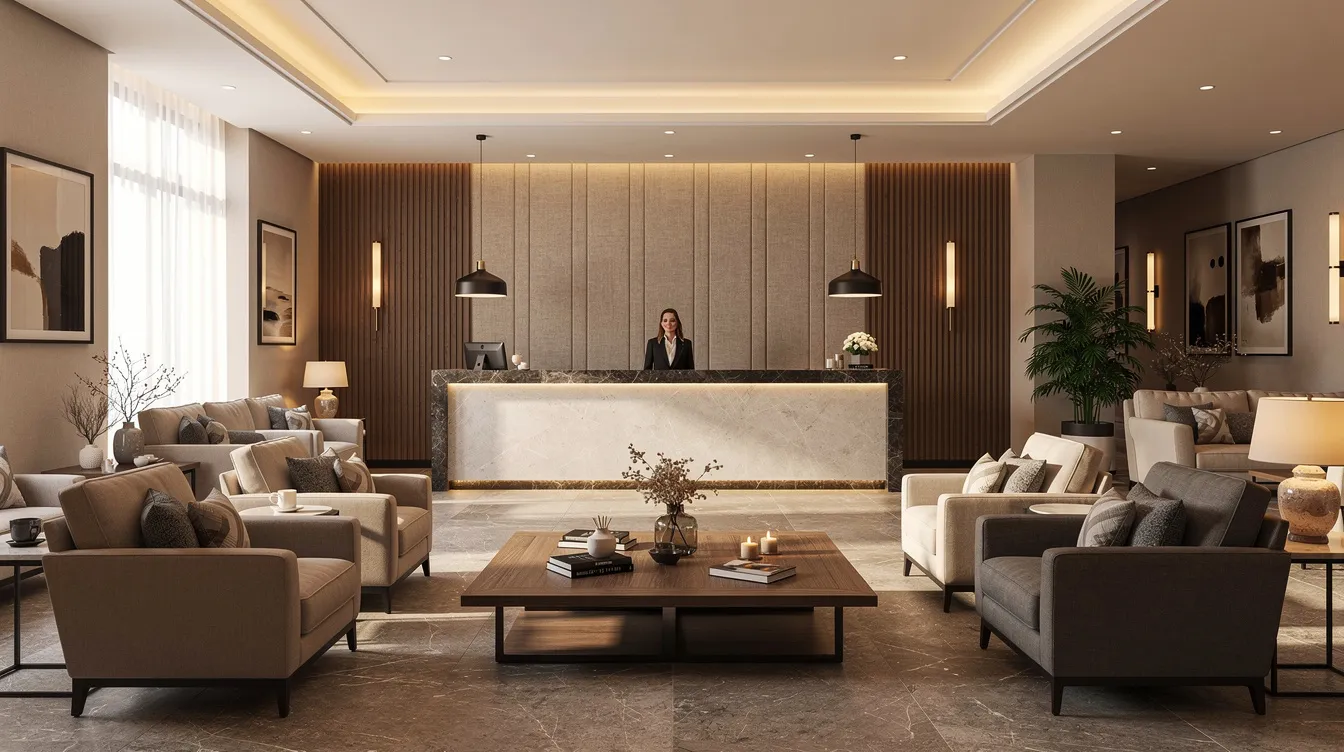
- Hotels and boutique hostels can install SplitflapTV in lobbies to display:
- Rotating welcome messages for arriving guests
- Check-in and check-out times
- Breakfast hours and dining recommendations
- Local weather and curated neighborhood tips
- Event announcements for conferences or weddings hosted on-site
- A café or restaurant can use SplitflapTV as a dynamic and affordable split-flap-style menu board—one page for coffee beverages, another for pastries, another for daily specials—all updated from a back office device within seconds.
Offices and Coworking Spaces
- Reception areas and common spaces benefit from:
- Company name and slogan displays
- Current visitor welcomes (“Welcome, Sarah!”)
- Meeting room schedules
- Motivational quotes rotating throughout the day
- Team milestone announcements
- Internal event reminders
- The product’s roots in information systems for airports and enterprises make it suitable for dashboards showing KPIs, queue statuses, or real-time production data in corporate and industrial settings.
Retail and Showrooms
- Retail stores can deploy SplitflapTV near entrances or at the desk area:
- Current promotions and flash sale announcements
- New arrival highlights
- Loyalty program reminders
- Brand storytelling and heritage messages
- Customizable seasonal campaigns
- The flipping animation draws shoppers’ attention more effectively than static posters, while remote content management keeps messaging current across multiple store locations.
Events and Exhibitions
- Conferences, weddings, and pop-ups leverage SplitflapTV as a digital agenda board:
- Current and upcoming session schedules
- Speaker names and room assignments
- Real-time updates as schedules shift
- Table assignments or escort board displays
- Social media prompts and hashtag reminders
- The classic “departure board” aesthetic aligns perfectly with travel-themed or modern-industrial event design. Last-minute changes update instantly without reprinting signs.
Homes and Studios
- For design-conscious homeowners who loved traditional boards but want more impact:
- Daily mantras and inspirational writing in home offices
- Family schedule reminders in kitchens
- Rotating artful phrases with split-flap animation
- Birthday or anniversary countdowns
- Holiday messages and seasonal ideas
- A wall-mounted TV running SplitflapTV acts as a large-scale, ever-changing letter board that blends decor with functional information display. Note that iOS app versions also allow personalized messages with vintage charm on personal devices.
Transition: With so many options available, how do you decide between traditional and modern letter boards? Let’s compare the two approaches.
From Felt to Flip: Choosing the Right Letter Board Today
When to Stick with Physical Boards
- Occasional quote changes at home (weekly or less)
- One-off event signage with minimal updates
- Small boutiques with stable, rarely-changing messages
- Craft-focused settings where the manual process is part of the experience
When to Upgrade to SplitflapTV
- Daily or multiple-times-daily content changes
- Multiple screens across locations requiring coordination
- Need for scheduling, animation, or real-time data
- Brand consistency requirements across franchise or chain
- Professional environments where maintenance and appearance matter
- Contact with guests who expect polished, current information
The evolution from felt to flip represents more than a tech upgrade—it reflects how interior design and communication trends continue to embrace analog aesthetics with digital convenience.
Next Steps: Implementing a Modern Letter Board Setup
Step-by-Step Guide
- Assess current signage needs
-
Inventory your existing letter boards and answer:
-
What messages currently appear on each board?
-
How often does content change?
-
Who is responsible for updates?
-
What are the biggest pain points (time, missing letters, inconsistency)?
-
- Inventory your existing letter boards and answer:
-
What messages currently appear on each board?
-
How often does content change?
-
Who is responsible for updates?
-
What are the biggest pain points (time, missing letters, inconsistency)?
- What messages currently appear on each board?
- How often does content change?
- Who is responsible for updates?
- What are the biggest pain points (time, missing letters, inconsistency)?
- Identify key locations for displays
-
High-visibility zones make the strongest impact:
-
Hotel lobbies and reception desks
-
Café counters and menu board areas
-
Office entryways and common areas
-
Retail entrances and checkout areas
-
Home kitchens, offices, and studios
-
- High-visibility zones make the strongest impact:
-
Hotel lobbies and reception desks
-
Café counters and menu board areas
-
Office entryways and common areas
-
Retail entrances and checkout areas
-
Home kitchens, offices, and studios
- Hotel lobbies and reception desks
- Café counters and menu board areas
- Office entryways and common areas
- Retail entrances and checkout areas
- Home kitchens, offices, and studios
- Start with a single SplitflapTV screen
-
Purchase a compatible Smart TV or Android-based HDMI stick, install the SplitflapTV app, and link it to your cloud account. Configure:
-
Number of rows and characters per row
-
Color scheme matching your space or brand
-
Initial messages mirroring your existing letter board content
-
- Purchase a compatible Smart TV or Android-based HDMI stick, install the SplitflapTV app, and link it to your cloud account. Configure:
-
Number of rows and characters per row
-
Color scheme matching your space or brand
-
Initial messages mirroring your existing letter board content
- Number of rows and characters per row
- Color scheme matching your space or brand
- Initial messages mirroring your existing letter board content
- Create a simple content plan
-
Week 1: Welcome basics (Company name, hours, welcome greeting)
-
Week 2: Add rotating quotes (Daily motivation, previous customer favorites)
-
Week 3: Introduce scheduling (Morning vs afternoon messages)
-
Week 4: Expand to promotions (Weekly specials, upcoming events)
- Week 1: Welcome basics (Company name, hours, welcome greeting)
- Week 2: Add rotating quotes (Daily motivation, previous customer favorites)
- Week 3: Introduce scheduling (Morning vs afternoon messages)
- Week 4: Expand to promotions (Weekly specials, upcoming events)
- Evaluate and expand
-
After testing audience reaction and becoming familiar with the SplitflapTV communication platform, consider:
-
Adding screens in additional locations
-
Integrating live data (weather, news, queue numbers)
-
Connecting multiple displays to centralized management
-
Developing brand-specific templates and content libraries
-
- After testing audience reaction and becoming familiar with the SplitflapTV communication platform, consider:
-
Adding screens in additional locations
-
Integrating live data (weather, news, queue numbers)
-
Connecting multiple displays to centralized management
-
Developing brand-specific templates and content libraries
- Adding screens in additional locations
- Integrating live data (weather, news, queue numbers)
- Connecting multiple displays to centralized management
- Developing brand-specific templates and content libraries
The modern letter board isn’t just an upgrade—it’s a reimagining of what changeable signage can accomplish. Whether you’re running a boutique hotel, managing a coworking space, or simply want a more dynamic focal point in your home, SplitflapTV delivers the nostalgic appeal of classic letter boards with the flexibility that today’s communication demands.
Take a fresh look at those felt boards collecting dust or consuming hours of your time. The flip from manual to modern might be exactly what your space needs.