
Design Hotels: Introduction & Overview
May 25, 2026 · Captain
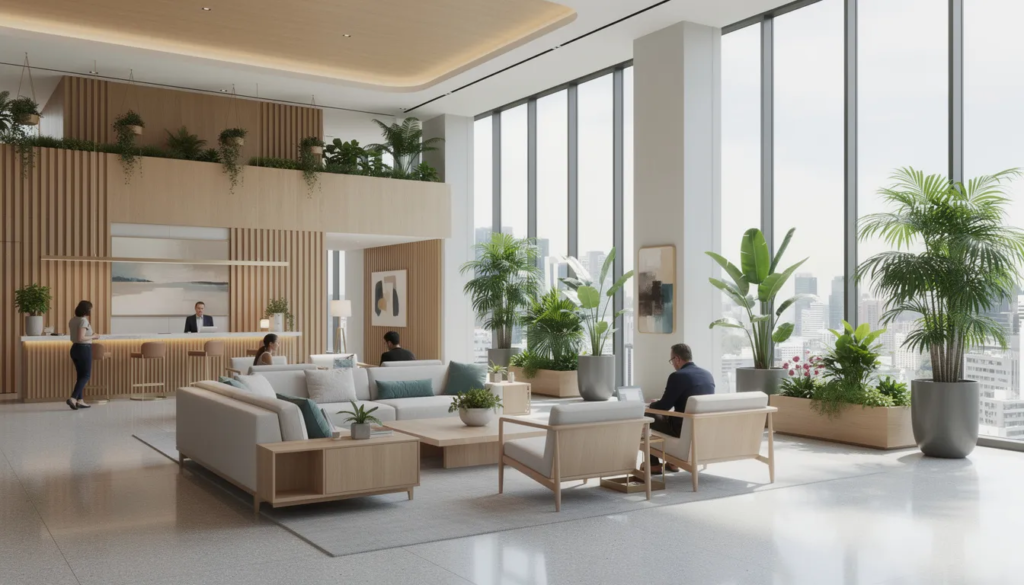
Design hotels are redefining hospitality by blending architecture, storytelling, and digital innovation to create immersive, meaningful experiences for travelers, hoteliers, and designers alike. This article explores how design hotels set themselves apart from traditional accommodations, why they matter in today’s travel landscape, and how they serve as catalysts for community, creativity, and transformative guest journeys.
Whether you’re a traveler seeking authentic local culture, a hotelier aiming to elevate your property’s guest experience, or a designer passionate about intentional spaces, this guide will help you understand what makes a hotel a true “design hotel.” We’ll cover the defining features of design hotels, how to identify and choose one, and how digital signage and storytelling are shaping the future of hospitality. Expect in-depth case studies, practical tips, and a global perspective on the movement that’s changing the way we experience destinations.
What Is a Design Hotel?
A design hotel is more than just a place to stay—it’s a curated destination where architecture, interior design, and guest experience are woven together to create a cohesive, artistic environment. Each Design Hotels™ property reflects the vision of an independent hotelier who combines thought-provoking design, local knowledge, and cultural programming. With a curated collection of over 300 independent, design-driven hotels across the globe, Design Hotels™ stands apart by emphasizing unique and innovative aesthetics that reflect the personality and creativity of their creators.
Unlike traditional hotels, design hotels aim to serve as gathering points for travelers and the local community, fostering a sense of connection and belonging. The concept of community is central, with spaces designed to encourage interaction among guests and locals, and programming that highlights local culture, art, and experiences. Design hotels are not just about luxury—they’re about creating environments where human connection, creativity, and a sense of place are the true hallmarks of a memorable stay.
How to Identify and Choose a Design Hotel
What Makes a Hotel a “Design Hotel”?
When searching for a design hotel, look for these defining features:
-
- Unique, Well-Thought-Out Design Theme: The property should have a cohesive, artistic vision that’s evident in every detail—from architecture to interiors.
-
- High-Quality Furniture & Lighting: Expect original artwork, thoughtfully designed lighting, and furniture that feels curated rather than generic.
-
- Sense of Place: The best design hotels incorporate local culture, art, and materials, giving guests an authentic connection to the destination.
-
- Community Focus: Design hotels often serve as gathering points for both travelers and locals, with programming that encourages interaction and shared experiences.
-
- Transformative Experiences: Look for properties that offer more than just a room—think artist residencies, cultural events, wellness programs, and opportunities to engage with the local community.
-
- Prime Location & Amenities: Prioritize hotels with unique aesthetics, a central or meaningful location, and high-quality amenities that support both comfort and creativity.
Tips for Choosing a Design Hotel:
-
- Prioritize properties with a clear, cohesive design identity.
-
- Check for original art, custom furnishings, and thoughtful lighting.
-
- Seek out hotels that highlight local culture and offer community events.
-
- Read reviews for mentions of unique experiences and guest engagement.
-
- Consider how the hotel’s design supports both relaxation and inspiration.
Design Hotels: Where Architecture, Storytelling & Digital Signage Meet
Design hotels have transformed the way travelers experience destinations around the world. These properties treat architecture, interior design, and guest communication as integrated art forms—each element carefully considered to create spaces that inspire, comfort, and connect. From the terrazzo lobbies of Mediterranean retreats to the biophilic atriums of Scandinavian eco-properties, design hotels represent a movement that values meaning over mere accommodation.
This exploration takes you inside the newest design-driven properties, across continents and cultures, and into the details that make these spaces unforgettable. Along the way, we’ll examine how digital signage—including nostalgic split-flap displays—has become an essential tool for hotels seeking to communicate with guests in ways that honor their design philosophy.
Next, we’ll dive into the latest wave of design-driven hotels opening around the world, showcasing how these properties are pushing boundaries in architecture, sustainability, and guest experience.
New Design-Driven Member Hotels
The past two years have delivered some of the most ambitious design hotel openings in recent memory. From adaptive reuse projects that breathe new life into historic buildings to ground-up constructions that push architectural boundaries, these properties demonstrate the evolving definition of design-led hospitality.
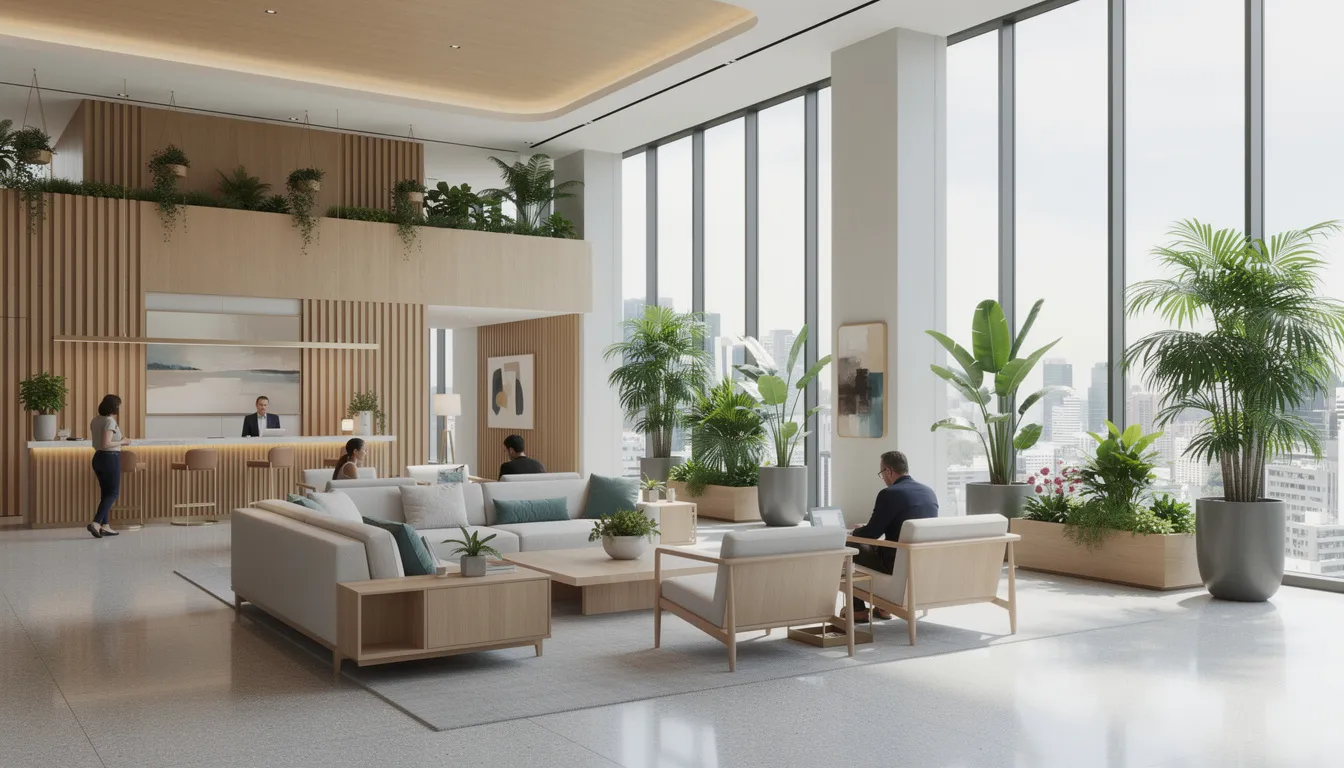
1 Hotel Copenhagen (Opened 2025)
Potentially the most eco-conscious hotel in one of the world’s most eco-conscious cities, 1 Hotel Copenhagen occupies a distinctive Danish modern edifice originally constructed in 1928 to house an elegant department store. The lobby features an enormous atrium filled with mature trees and potted plants, creating a hygge greenhouse-like ambience during Scandinavian winters. The adaptive reuse of this historic commercial building reflects a broader trend toward finding and revitalizing underutilized mid-century structures. Digital displays in the lobby use warm, muted tones to announce wellness activities, local cultural events, and seasonal highlights—including split-flap-styled boards that echo Copenhagen’s railway heritage while displaying real-time weather and sustainability metrics.
Capella Taipei (Opened 2025)
Designed by celebrated designer André Fu, Capella Taipei occupies part of a newly built glass tower by Tokyo’s Mori Building Group and was conceived as a “modern mansion.” With just 86 rooms and suites, the property exemplifies the luxury-through-scarcity approach that defines contemporary design hotels. The space integrates Asian design traditions with contemporary minimalism. Plume restaurant features massive wall murals honoring Taiwan’s national bird, the blue magpie—a motif that extends into cocktail names and subtle wayfinding elements. Lobby screens displaying event schedules and cultural programming use restrained typography that complements Fu’s interiors.
Fairmont Golden Prague (Opened 2025)
Following a five-year, multimillion-dollar renovation, Fairmont Golden Prague has transformed a brutalist, reinforced-concrete structure in Old Town into a design destination. The renovation preserved original 1970s Czech art, including stained glass windows and futuristic light fixtures, while replacing communist-era beige decor with sumptuous leather headboards and knotted glass pendant lamps. Rather than erasing historical context, designers amplified the era’s most distinctive elements while modernizing comfort. The lobby features retro-inspired digital signage that references Prague’s historic train stations, with split-flap-style displays announcing daily cultural programming and gallery events.
The Eve Hotel Sydney (Opened 2025)
Designed as a vibrant, warm brick-and-biophilic low-rise by local firm SJB in collaboration with landscape architect Daniel Baffsky and interior designer George Livissianis, The Eve Hotel Sydney arrived as a marker on the cusp of the Central Business District. The 102 rooms are hued to the Australian bush, with each room featuring balconies overlooking shingled rooftops and greenery. Common areas integrate native plantings with contemporary Australian art, ensuring guests feel connected to place from arrival to departure. Digital displays throughout the property use earth tones and simple typography to share information about local markets, beach conditions, and neighborhood exploration routes.
Few & Far Luvhondo, South Africa (Opened 2025)
Introduced by husband-and-wife adventurers Jacob and Sarah Dusek, Few & Far Luvhondo is a safari eco-lodge offering front-row access to South Africa’s Limpopo province wilderness. Designed by Nicholas Plewman Architects in collaboration with Ohkre Collective, the lodge’s six cliff-edge suites take sculptural cues from Africa’s most emblematic trees, particularly baobabs. The property demonstrates how design hotels operate across the full spectrum of luxury—from ultra-urban to remote wilderness—and how contemporary architecture can engage with vernacular and natural forms to create distinctive places.
With these new openings, the global landscape of design hotels continues to evolve. Next, we’ll explore the stories and philosophies behind some of the world’s most celebrated design hotels, revealing how architecture, local culture, and digital experiences come together to shape unforgettable stays.
Journal: Stories Behind the World’s Best Design Hotels
Welcome to an ongoing editorial exploration of destinations, hotels, and the culture around design-forward hospitality. These journal entries focus on concrete themes: architecture, local culture, sustainability, digital experiences, and guest storytelling.
Each story features one destination alongside at least one named hotel, often including perspectives from architects, hoteliers, and designers who shape these spaces. Where relevant, we examine how properties use nostalgic communication tools—including split-flap displays in contemporary hospitality—to reinforce their design concepts and connect with guests.
Kyoto & Shanghai: Cherry Blossoms & Concrete
Early April brings the most delicate architectural intervention imaginable to cities across East Asia. Cherry blossoms transform urban landscapes into fleeting galleries of pink and white, and design hotels in Kyoto and Shanghai have learned to frame these views as carefully as any artwork in their collection.
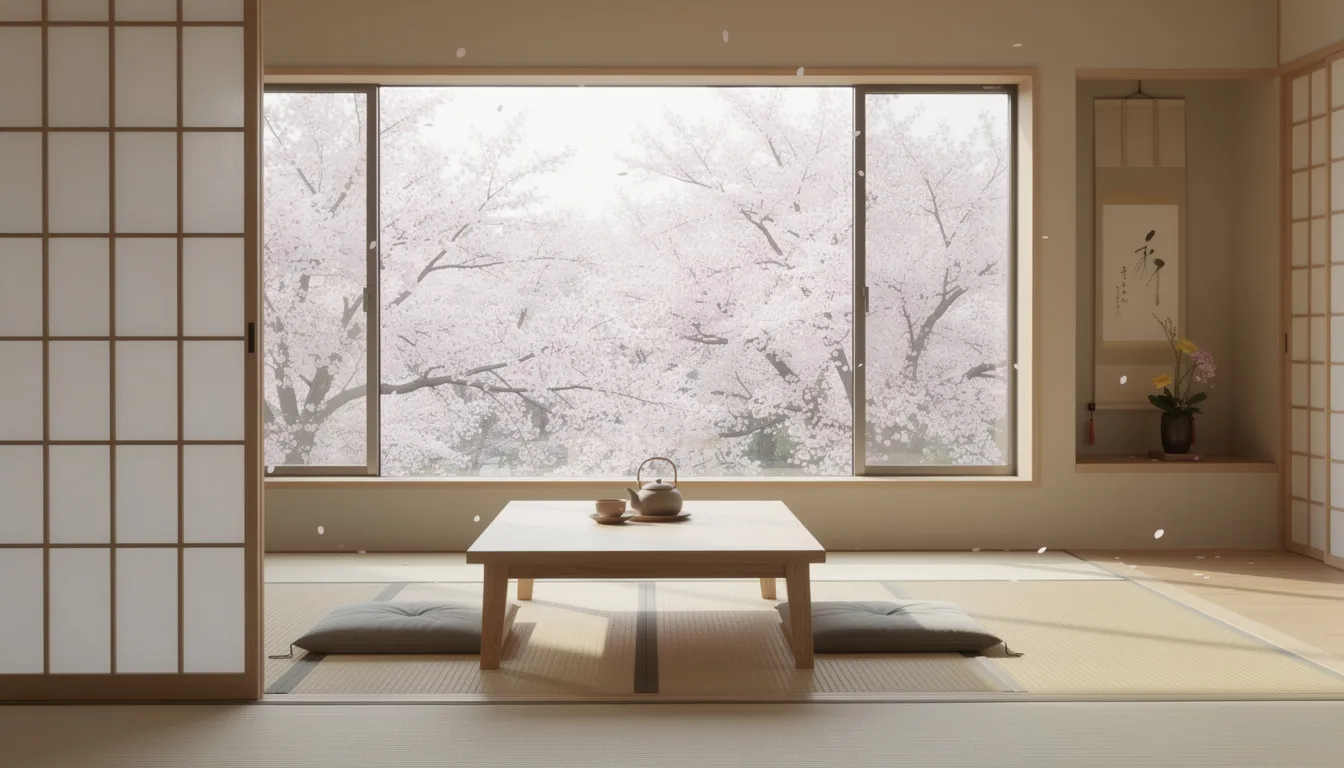
In Kyoto, where the Philosopher’s Path winds beneath centuries-old cherry trees, design hotels have become masters of orientation. Rooms position beds to face morning light filtering through blossoms. Rooftop bars angle seating toward temple views softened by spring petals. The architecture serves as frame, never competing with nature’s brief performance.
Patina Osaka marked the Japan debut for the Singapore-based Patina group, debuting just as the Osaka Expo pulled global focus to the region. Set in a 20-storey glass tower by Jun Mitsui & Associates Inc. Architects and positioned between Osaka Castle and Naniwa-no-Miya-Ato Park, the property demonstrates strategic site-responsive design. Public spaces leverage cultural and historical proximity, with floor-to-ceiling windows that capture castle views and seasonal changes.
Interior design across these properties blends minimal Japanese aesthetics with contemporary art. Cedar, stone, and traditional paper screens appear alongside concrete and glass. Lobbies feature subdued lighting that shifts throughout the day, and restaurant interiors often incorporate split-flap-style boards showing seasonal events, blossom forecasts, and curated experiences—a nod to Japan’s railway heritage that feels both nostalgic and perfectly current.
Best Dates to Visit: Late March through mid-April for Kyoto; early to mid-April for Shanghai and Osaka.
Rooms with the Best Views: Request corner suites or rooms on upper floors facing east—morning light through blossoms creates an unforgettable awakening.
Signature Experiences:
-
- Guided blossom walks curated by hotel concierges, offering choreographed journeys through neighborhoods, past local makers, and into hidden gardens.
Cyprus: Spectacular Seafront Modernism & Cityside Boutiques
Cyprus sits at the crossroads of Mediterranean cultures, where Greek, Turkish, and Levantine influences meet under relentless sunshine. Contemporary design hotels here reinterpret local vernacular architecture—whitewashed volumes, shaded loggias, stone courtyards—through a modern lens.
Along the shores of Paphos and Limassol, seafront resorts embrace clean modernist lines that frame views of crystal clear waters. These properties use horizontal planes and generous terraces to dissolve boundaries between interior and exterior. Materials are deliberately local: terrazzo floors that cool bare feet, locally crafted ceramics in muted Mediterranean tones, and integrated art collections sourced from Cypriot artists.
In Nicosia, a different approach emerges. Boutique hotels occupy restored stone townhouses, their courtyards transformed into intimate dining spaces where guests share mezze under canopies of bougainvillea. The architecture preserves centuries of history while introducing contemporary comfort—climate control invisible behind thick stone walls, lighting that highlights original features without overwhelming them.
Design Details to Notice:
-
- The interplay between shade and light in covered outdoor spaces
-
- Terrazzo patterns referencing traditional Cypriot motifs
-
- Integration of water features for cooling and ambient sound
Where to Sit at Sunset: Rooftop bars with western exposure, typically found in both seaside resorts and city boutiques, offer unobstructed views of Mediterranean sunsets.
Digital signage in these properties communicates daily activities and cultural events with subtle sophistication. A Split-Flap TV board in the bar announces sunset yoga sessions, mezze tastings, and gallery walks—information delivered through a medium that feels intentional rather than intrusive. The retro aesthetic of split-flap displays complements whitewashed walls and natural materials, proving that technology can serve design rather than compromise it.
Lombok & Beyond: Minimalism to the Max
Minimalist retreat hotels understand a fundamental truth: scarcity of objects heightens connection with nature. In Lombok, Indonesia, Milos, and the Canary Islands, properties strip away visual noise to amplify the power of sea, sky, and stone.
A 2023 cliffside resort in Lombok exemplifies this approach. Raw concrete and teak create structures that feel grown from the landscape rather than imposed upon it. Hidden storage keeps belongings invisible. Muted color palettes—whites, grays, warm wood tones—ensure nothing competes with the Indonesian ocean views. Floor-to-ceiling windows become the primary design element, framing an ever-changing composition of waves, clouds, and light.
On Milos, a low-slung all-white hotel demonstrates how extreme restraint creates impact. Rooms contain only what is essential: a bed positioned for maximum view, integrated lighting that requires no visible fixtures, and in-room information presented on calm, low-brightness screens that display tide times, breakfast hours, and little else.
Volcanic rock lodges on Lanzarote take minimalism in a different direction, using the island’s dramatic geology as both material and inspiration. Dark stone interiors absorb light, creating cool refuges from intense Canary Islands sun. Windows are smaller here, carefully positioned to frame specific views rather than overwhelming guests with panoramas.
Minimalist Design Principles Observed:
-
- Hidden storage eliminates visual clutter
-
- Monochromatic palettes reduce decision fatigue
-
- Natural materials connect interior to exterior
-
- Technology is present but invisible
-
- Views are composed, not simply revealed
Retro-inspired digital signage fits unexpectedly well within minimalist spaces. A single digital split-flap display making a comeback in modern spaces in the lobby becomes a sculptural element, announcing tides, sunrise times, and chef menus with the satisfying clatter of letters flipping into place. The display serves function while reading as art—exactly the balance minimalist properties seek.
Further: Passion, Purpose & Post-Experiential Hospitality
Something has shifted in what design-conscious travelers seek from their stays. The era of collecting experiences—checking boxes, photographing moments—is giving way to something deeper. Call it post-experiential hospitality: a movement toward meaning, learning, and contribution.
Hotels embracing this philosophy design spaces for gathering and making, not just resting. Artist-in-residence programs invite guests into creative processes. Architecture-focused city walks transform neighborhoods into classrooms. Community dinners seat travelers alongside local makers, designers, and activists.
Case Study: Good Hotel Antigua
-
- Housed in a former mansion, the property blends sustainable design with community impact, using locally-sourced materials and working with artisans on bespoke furnishings.
-
- The hotel reinvests profits into local education and hires from the community, adhering to its “Sleep Good, Do Good” mantra.
-
- Design here communicates values: every material has a story, every partnership has purpose.
Design Features Supporting Engagement:
-
- Shared tables replace isolated dining
-
- Long reading rooms invite lingering
-
- Maker spaces equipped with tools and materials welcome experimentation
-
- Micro-galleries in corridors showcase local artists, rotating frequently
Content channels become invitations rather than announcements. Newsletter boards, event screens, and retro-style Split-Flap TV boards that enhance the hotel guest experience invite guests into workshops, talks, and neighborhood events. The split-flap format feels particularly appropriate here—its mechanical rhythm suggests intention, each letter deliberately chosen, each message worth the time it takes to appear.
“We design spaces where strangers become collaborators,” explains one boutique hotelier. “The lobby isn’t a waiting room—it’s where ideas meet.”
Previous Studies: Community, Aesthetics & Healing Escapes
Earlier explorations examined key themes that continue shaping design hotels: community as design principle, the psychology of aesthetics, and wellness as architectural experience.
Key Findings:
-
- A Berlin hotel using bold color theory in rooms demonstrated how palette choices affect mood and memory.
-
- A forest spa hotel in Sweden built around cold-water therapy showed how architecture choreographs wellness experiences.
-
- In Mexico City, a community-driven hotel shares its lobby with local co-working spaces and weekend markets.
Common spaces, signage, and programming are intentionally designed to create micro-awakenings—small, memorable moments of reflection or joy. A perfectly positioned chair that catches morning light. A split-flap board whose history and evolution span decades of public displays announcing an unexpected rooftop concert. A corridor gallery that stops guests mid-step.
Visual communication tools—from classic printed programs to digital retro boards and projections—are integral to choreographing these experiences. They guide without demanding, inform without overwhelming.
As we’ve seen, design hotels are as much about community and experience as they are about aesthetics. Next, we’ll look at how these properties participate in global loyalty ecosystems and serve as anchor points for design-minded travelers worldwide.
Design Hotels in Partnership & Loyalty Ecosystems
Independent design hotels increasingly participate in global loyalty programs without surrendering their individuality. This represents a significant shift in hospitality distribution, allowing travelers to earn and redeem points at distinctive properties while those properties retain signature architecture and storytelling.
Case Study: Casa Brera
-
- Housed in a mid-20th century rationalist building originally designed by Pietro Lingeri, the Milan property underwent careful restoration with interiors curated by renowned Spanish architect and designer Patricia Urquiola.
-
- The property harmoniously blends Milanese heritage with cosmopolitan flair, featuring signature materials such as Fior di Pesco marble, domed lamps, and terra-cotta vases throughout rooms.
-
- When Casa Brera joined Marriott’s Luxury Collection in early 2025, it offered Bonvoy loyalists a new points option while maintaining its design identity.
Similar partnerships emerge in Bad Gastein’s thermal hotel scene, Copenhagen’s design district, and Seoul’s emerging boutique neighborhood. Properties in these cities are bookable through major programs yet remain fiercely independent in look and feel.
Digital Touchpoints for Loyalty:
-
- Apps communicate upgrade availability
-
- In-room tablets explain redemption options
-
- Lobby displays—including split-flap-styled announcement boards—welcome members by name and highlight exclusive experiences
Anchoring a Global Community of Design-Minded Travelers
Design hotels serve as anchor points for a traveling community that values architecture, local culture, and responsible travel choices. In cities from New York to Hong Kong, Mexico City to London, these properties function as hubs hosting talks, pop-ups, film screenings, and music events.
Design Features Encouraging Gathering:
-
- Generous lobbies accommodate lingering without suggesting loitering
-
- Bar-as-reception concepts dissolve traditional check-in formality
-
- Shared work tables invite spontaneous collaboration
-
- Courtyard gardens create outdoor rooms where guests and locals mix
“Our lobby is designed for people who want to be alone together,” notes one New York hotelier. “Private enough to work, social enough to meet.”
Coordinated content on newsletters, social media, and on-site digital boards helps guests plug into this community immediately upon arrival. A Split-Flap TV timeline of daily happenings—morning yoga, afternoon artist talk, evening wine tasting—serves as both information and invitation. The format feels human, almost handwritten in its mechanical rhythm, even as it delivers real-time updates.
The Conscious Traveler: Design Hotels as Agents of Change
The conscious traveler cares about the impact of their stays—on environment, employees, and local neighborhoods. Design hotels increasingly speak to these concerns not through greenwashing but through visible, material choices.
Sustainability & Community Practices:
-
- Reclaimed materials tell stories of transformation
-
- Adaptive reuse of historic buildings reduces embodied carbon while preserving cultural heritage
-
- Visible repair workshops show guests that furniture is maintained, not replaced
-
- Signage explains where materials and art originate
-
- Menus credit local farms and fisheries
Digital signage, including nostalgic split-flap-style boards, communicates energy use reduction campaigns, local charity partnerships, and neighborhood events in ways that feel inviting rather than preachy. A lobby display showing real-time solar generation or water savings transforms sustainability metrics into ambient information—present but not demanding attention.
Choosing a design hotel is itself a design decision. Consider properties that demonstrate material transparency, support local communities, and communicate their values clearly. The conscious traveler doesn’t sacrifice beauty for responsibility—they find hotels where these qualities reinforce each other.
With a global network of design hotels now spanning over 60 countries, let’s explore how these properties adapt to local context and serve as cultural beacons in cities and regions around the world.
Immerse Yourself: A World Map of Design Hotels
Design hotels now exist in over 60 countries, each responding to local history, climate, and culture through unique architecture and interiors. From the tiled façades of Lisbon to the vertical density of Hong Kong, from the beach culture of Bali to the desert silence of the American Southwest, design-led hospitality adapts to place while maintaining core principles of intentionality and craft.
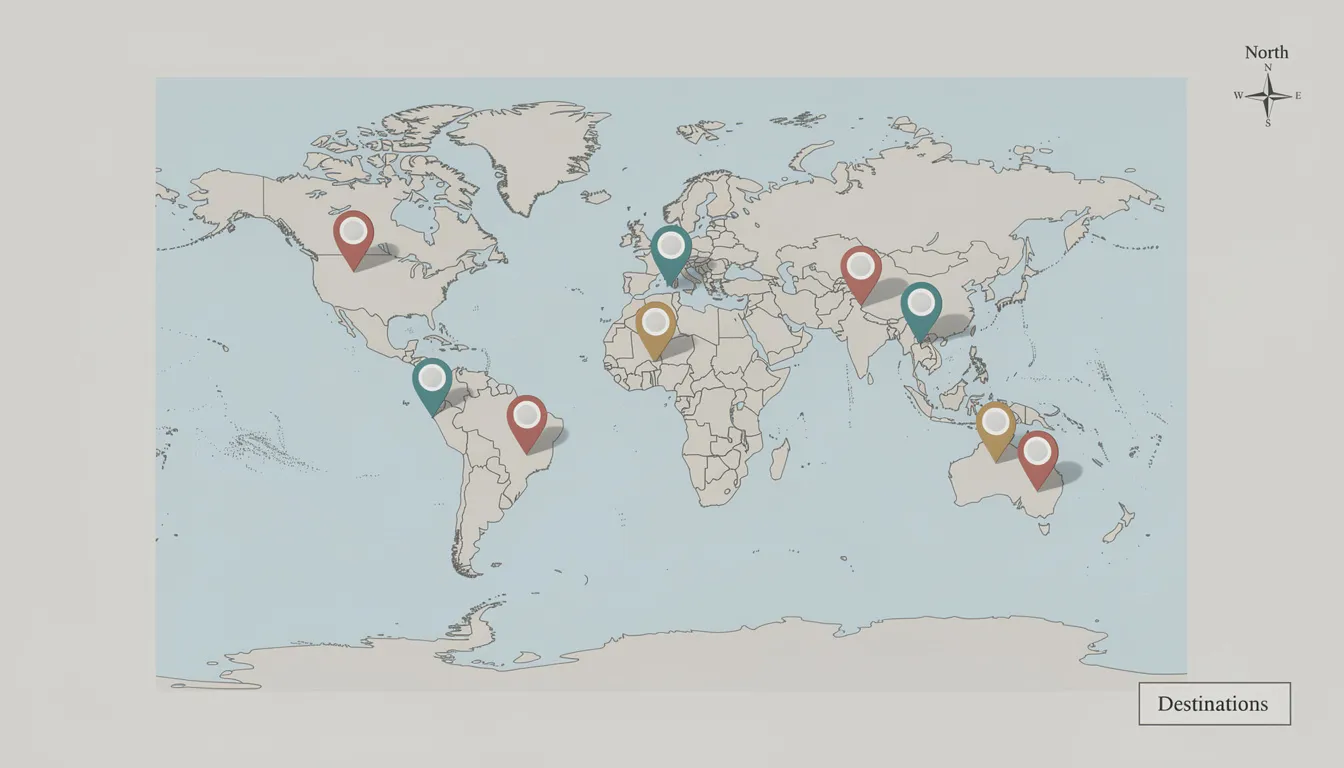
Regional Highlights:
-
- Europe: Lisbon and Porto showcase azulejo tiles, cork, and warm woods. Paris preserves Haussmannian elegance while introducing contemporary art. Copenhagen champions sustainability and hygge. Istanbul bridges continents with properties that layer Ottoman heritage and modern Turkish design.
-
- Asia-Pacific: Tokyo and Kyoto blend traditional materials—cedar, paper, stone—with minimalist restraint. Hong Kong stacks luxury vertically, solving density through clever spatial design. Sydney and Auckland bring biophilic design to urban contexts, integrating native landscapes into hospitality. Bali and Indonesia’s eastern islands attract travelers seeking adventure alongside design sophistication.
-
- Americas: New York’s design hotel scene spans heritage renovations and bold new builds. Los Angeles and the West Coast embrace mid-century modernism and surf-inspired aesthetics. Mexico City’s emerging boutique scene occupies colonial buildings and brutalist towers alike. São Paulo and Buenos Aires show how Latin American design draws from indigenous traditions and European immigration.
-
- Middle East & Africa: Dubai pushes architectural boundaries with properties that become destinations themselves. Cape Town blends African craft with contemporary luxury. Morocco’s riads demonstrate how traditional courtyard architecture adapts to boutique hospitality.
Public spaces—lobbies, rooftop bars, pool decks—function as social hubs across all regions. Live events are published on central, eye-catching digital boards, including Split-Flap TV displays that bring retro flair to contemporary information delivery.
From Boutique Pioneers to Urban Icons
The design hotel movement emerged from early boutique hotels in New York, London, and Paris during the 1990s and 2000s. These pioneers challenged the corporate homogeneity of international chains, proving that travelers would pay for distinctive design and narrative depth.
Key Design Movements:
-
- Industrial chic—exposed brick, metal fixtures, raw materials
-
- Scandinavian minimalism—restraint and natural materials
-
- Brutalism revival—beauty in concrete honesty
-
- Biophilic design—bringing nature inside
Guest expectations evolved dramatically. The definition of luxury shifted from thread counts and minibar selection to storytelling, where lighting, sound, scent, and signage are part of the narrative. Hotels became media platforms, curating experiences that extend before arrival and after departure.
Retro physical elements like split-flap boards are being reintroduced in digital form to reference classic stations and airports. This approach aligns with the Split-Flap TV platform for reviving classic display boards: preserving the emotional power of mechanical displays while delivering flexibility and real-time connectivity through software running on standard screens.
The meaning of a design hotel continues to expand. No longer limited to urban boutiques, the category now encompasses safari lodges, island retreats, heritage renovations, and new constructions in emerging destinations. The common thread is intentionality—every element considered, every material chosen, every message designed.
Design Hotels as Social Galleries
Many contemporary design hotels operate like living galleries: rotating art, curated playlists, book collections, and pop-up shops transform properties into cultural destinations.
Collaboration & Content Scheduling:
-
- Hotels partner with local galleries to display and sell emerging artists’ work
-
- Record labels curate ambient music that shifts throughout the day
-
- Bookshops stock reading rooms with titles chosen by local writers
-
- Fashion designers stage pop-up shops in lobbies during fashion weeks
Content scheduling turns hotels into dynamic exhibitions. Digital art loops on screens change hourly. Time-based light installations mark sunset and moonrise. Messages on split-flap-style boards announce artist talks, listening sessions, and exhibition openings.
The home hotel zürich demonstrates this gallery approach through rotating exhibitions in corridors and common areas, with artists-in-residence creating work during extended stays. Similar programs operate in properties across Switzerland, creating a local network of design-focused hospitality.
Simple SaaS tools like Split-Flap TV allow non-technical staff to update visual content across multiple screens effortlessly. A lobby display might show rotating welcome messages during morning check-in, transition to event announcements by afternoon, and display ambient art after dinner service—all scheduled from a cloud dashboard requiring minimal training.
Now, let’s zoom in on specific cities to see how design hotels shape urban experiences and reflect the unique character of their surroundings.
City Spotlights: How Design Hotels Shape Urban Experiences
Certain cities have become laboratories for design-led hospitality, where hotels both reflect and shape local culture. Architecture, urban context, and guest experience intersect in ways that make stays inseparable from destinations.
These spotlights examine how walkability, neighborhood character, and visual communication guide guests from property to city and back again.
Hong Kong: Vertical Cities & Layered Design
Hong Kong presents design hotels with unique challenges and opportunities. Ancient Taoist temples sit beneath ultra-modern glass towers. Space is precious, forcing creative solutions.
Design Solutions for Tight Footprints:
-
- Multi-level lobbies that create visual spaciousness through double-height volumes
-
- Sky gardens that bring nature to impossible locations
-
- Compact yet clever rooms with fold-away furniture that transforms spaces throughout the day
Wayfinding and digital signage help guests navigate vertical complexity. Elevator banks display floor-by-floor amenities. Sky bridges connect towers with information displays showing weather at various elevations. Rooftop decks announce sunset times and cocktail specials on boards that reference old ferry terminals—split-flap-like displays that feel native to Hong Kong’s transportation heritage.
Local references appear throughout: tram lines inspire corridor graphics, night markets influence food hall layouts, and neon heritage gets reshaped into interior signage motifs that feel simultaneously nostalgic and contemporary.
Paris: Romance, Heritage & Intimate Interiors
Paris design hotels serve as guardians and reinterpreters of Haussmannian façades, cobbled streets, and café culture. The city’s architectural heritage—belle époque details, herringbone parquet, ornamental moldings—provides a canvas for contemporary interpretation.
Interior Themes:
-
- 1970s cinema inspiration, with velvet seating and moody lighting
-
- Bold contemporary art against classic architecture
-
- Maximalism, layering pattern and color in confident settings
Small scale shapes deeply personal experiences. Lobbies function as salons rather than waiting rooms. Tiny courtyards create private outdoor moments. Pocket bars serve a dozen guests at most. These spaces feel perfect for couples and solo city flâneurs seeking romance and reflection.
In-room technology and digital signage strategies preserve romance through restraint. Low-glare screens display weather and local information without competing with candlelight. Lobby boards listing nightly jazz sets or wine tastings use retro split-flap styling rather than bright commercial screens, maintaining atmosphere while delivering information.
A walking route through the Marais connects three design hotels with galleries, bakeries, and river viewpoints—the kind of curated journey that transforms a stay into a story.
Portugal: Color, Coastlines & Ceramic Stories
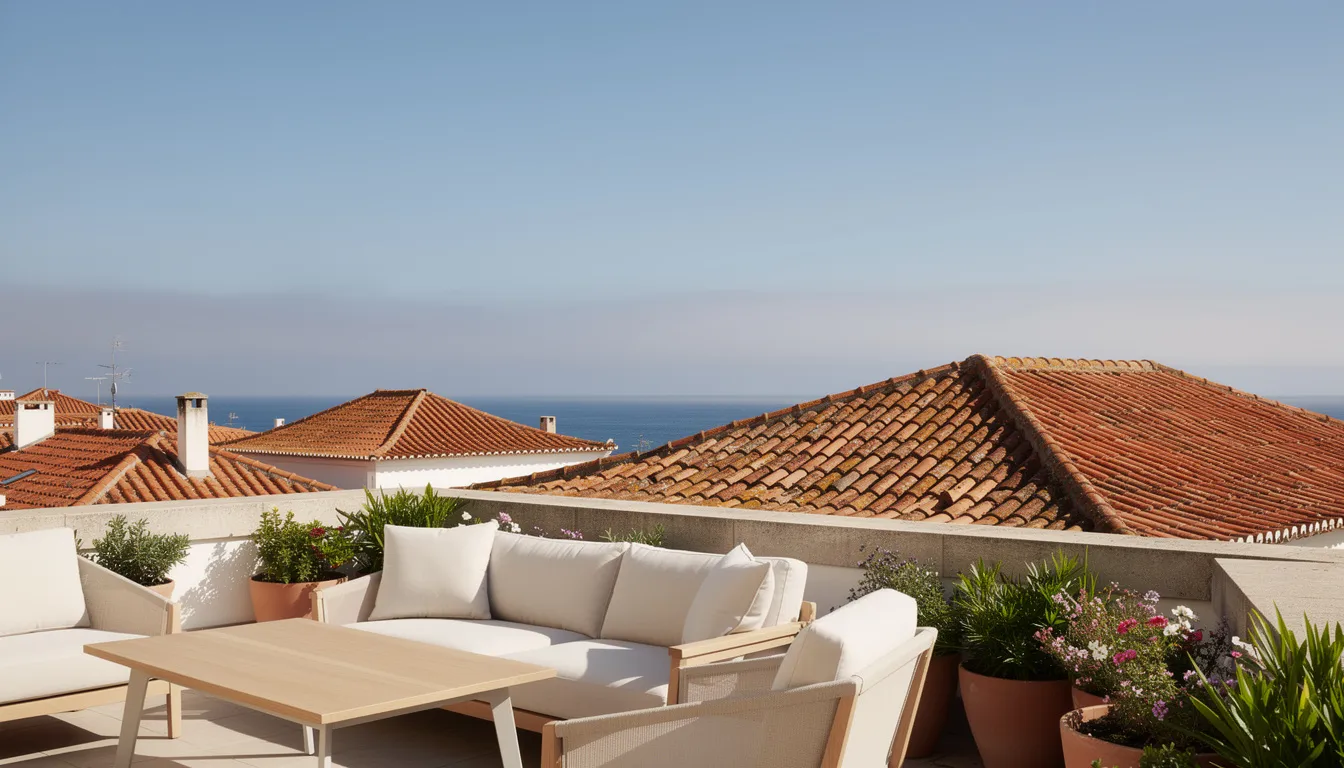
Lisbon, Porto, and the Algarve provide stages where tiled façades, hills, and Atlantic light inspire design hotel concepts. The family of Portuguese design hotels continues growing, with new properties opening in both cities and coastal destinations.
Signature Elements:
-
- Azulejos—traditional painted tiles—in contemporary interpretations
-
- Cork, a sustainable Portuguese material, covering walls and floors
-
- Warm woods and sunny color palettes countering gray Atlantic weather
-
- Rooftop pools overlooking terracotta rooftops and the sea
These hotels lean into leisurely pacing. Extended breakfasts feature local pastries and regional specialties. Long communal tables encourage conversation between guests. Sunset bars host live fado performances and DJ sets that extend into warm evenings.
Messaging about daily tastings, surf sessions, and live music can be elegantly delivered through retro-inspired digital boards and curated notice walls rather than cluttered paper flyers. A Split-Flap TV display in the lobby announcing the evening’s fado singer feels appropriately old-world while delivering real-time information.
US West Coast: Road Trips, Deserts & Oceanfront Design
The West Coast presents a linear playground of beach hotels, desert retreats, and creative urban properties from Seattle to San Diego and beyond.
Design Features by Region:
-
- Restored motels along Highway 1 maintain mid-century roadside charm while upgrading comfort
-
- Mid-century hillside hotels in Los Angeles preserve modernist architecture—glass walls, post-and-beam construction, swimming pools cantilevered over canyons
-
- 1 Hotel Seattle, opened in 2025, brings sustainability-minded design to the Pacific Northwest
Design choices echo regional landscapes. Warm woods and surf-inspired art dominate beach properties. Terrazzo and glass characterize city hotels. Raw stone and shadowy courtyards define desert retreats. Each typology responds to climate and culture.
Wayfinding and information design prove crucial for road-trip guests. Digital lobby boards show tide times, road closures, local events, and weather—exactly the information travelers need before setting out on the next leg. Tools like Split-Flap TV power these displays with real-time data, ensuring guests always know what conditions await.
Having explored how design hotels shape urban and regional experiences, let’s turn to the communication strategies and digital tools that help these properties deliver their unique stories and connect with guests in meaningful ways.
How Design Hotels Use Communication & Digital Signage
Beyond architecture and interiors, communication systems—both analog and digital—are now essential to a hotel’s designed experience. How information reaches guests matters as much as what information is shared.
From the Split-Flap TV perspective, nostalgic departure board motion brought back to life through split-flap-style boards is returning as a design object that also serves real-time communication needs. The format references an era when travel itself felt more intentional, when departure boards at train stations and airports created anticipation through mechanical motion and satisfying clicks.
Typical communication touchpoints include arrival moments, check-in experiences, elevator banks, bars and restaurants, in-room displays, and co-working spaces. Each presents an opportunity to reinforce design narrative or undermine it through generic screens and cluttered printouts.
Split-Flap Nostalgia in a Digital Age
The history and evolution of split-flap boards began in 1960s train stations and airports, where they emerged as practical information displays. Their motion, sound, and typography created emotional resonance beyond mere function. Letters flipping into place suggested both precision and anticipation—the next departure, the next adventure.
Modern design hotels replicate this effect digitally on standard TVs and screens via digital split-flap display software like Split-Flap TV. The approach preserves aesthetic impact without requiring complex mechanical hardware. A screen becomes a design element rather than a commercial intrusion.
Use Cases:
-
- Rotating welcome messages in the lobby greet arriving guests by name or announce daily themes
-
- Flight-style event schedules list spa appointments, restaurant reservations, and cultural programming
-
- Cocktail menus in bars display the evening’s specials with appropriate drama
-
- Playful messages in elevators transform vertical transit into moments of delight
Design control matters. Split-Flap TV allows customization of type, colors, speed, and layouts to match hotel branding. A brutalist property might choose monochrome displays with sans-serif typography. A warm, nostalgic boutique might select amber tones and vintage-inspired fonts. The technology adapts to aesthetic intent.
The approach keeps tech invisible—just a TV connected via HDMI and an app—while the visible surface feels like an intentional design object. Guests see a split-flap board, not a screen pretending to be something else.
Real-Time Messaging, Social Counters & Ambient Data
Data streams—weather, local transport, social media metrics, guest reviews—can transform into ambient, on-brand displays in lobbies and lounges. The key is curation: showing what matters while maintaining visual calm.
Examples of Ambient Data Displays:
-
- A beach hotel might display surf height and sunrise times alongside wi fi network information
-
- A city hotel could show local gallery opening hours and transit status
-
- A bar might display live Instagram or TikTok follower counts, turning social proof into real-time engagement—all powered by innovative retro message boards from Split-Flap TV and Split-Flap TV’s integration features
Rotating content playlists keep spaces feeling alive without sensory overload. Calm transitions between messages prevent jarring changes. Limited color palettes ensure displays complement rather than compete with interior design.
Cloud dashboards let hotel staff schedule messages by time of day with minimal training. Breakfast service gets cheerful morning greetings. Check-in rush hours display wayfinding and welcome messages. Evening service shifts to event announcements and ambient mood. The team manages everything remotely, updating multiple screens from a single interface.
Scheduling, Wayfinding & Guest Journeys
Thoughtful communication design helps guests feel oriented and relaxed, especially in complex buildings or resorts with multiple venues and activities.
Scheduling & Wayfinding Best Practices:
-
- Daily schedules for yoga and spa treatments, meeting room timelines, restaurant wait times, and wayfinding arrows all benefit from integration into a coherent design language
-
- When scheduling information looks designed—matching property typography, colors, and aesthetic intent—it reinforces rather than disrupts the guest experience
The advantage of SaaS signage like Split-Flap TV for independent hotels is significant:
-
- Quick updates without technical expertise
-
- Remote management across multiple screens
-
- Consistent branding ensuring every display feels intentional
Well-designed signage reduces the need for printed materials, aligning with sustainability and minimalist design values. A single digital display can replace dozens of paper notices, menus, and schedules while delivering information more effectively.
Architecture, interior design, and communication form three pillars of coherent design hotel experience. Properties that invest in all three—treating screens as seriously as furniture, signage as carefully as lighting—create the most memorable stays.
With communication and digital signage strategies in place, let’s explore how design hotels market themselves and craft desire in the digital age, ensuring their stories reach and inspire the right audiences.
Marketing and Promotion: Crafting Desire in the Digital Age
In today’s digital landscape, the magic of design hotels unfolds as much through glowing screens as it does through thoughtful spaces. Marketing and promotion have evolved into something wonderful—a delicate dance of storytelling, technology, and visual wonder that transforms every touchpoint into an invitation to experience something genuinely special.
Design hotels discover the enchanting power of digital signage, like Split-Flap TV, to deliver real-time messages that spark childlike delight from the moment guests step through the door. These displays—inspired by the nostalgic charm and mechanical magic of classic departure boards—transform ordinary screens into living, breathing canvases for curated stories. Whether announcing a pop-up art show with that satisfying flip-flip-flip, highlighting tonight’s chef special, or sharing a video tag of the week’s local adventure, each message feels personal and alive. The ability to update displays instantly via wi fi and cloud-based dashboards means hotels can respond to guest needs with the kind of agility that feels almost magical—promoting events and supporting business goals while maintaining that tactile, human warmth that makes people smile.
Key Marketing Strategies:
-
- Social media and content marketing weave together to build genuine desire and emotional connection. Hotels craft visually stunning campaigns that showcase not just their architecture and food, but their very soul—encouraging customers to share their own wonder-filled experiences and become passionate storytellers themselves.
-
- Video content, high-definition displays, and interactive features invite guests to play, explore, and connect in ways that feel meaningful rather than transactional—both inside the hotel and across the vibrant local network of restaurants, bars, and cultural venues.
Personalization Best Practices:
-
- Digital tools allow hotels to craft messages that speak directly to different hearts—families seeking adventure and shared memories, business travelers yearning for seamless moments of peace, or friends planning a wellness retreat that nurtures their spirits.
-
- Real-time data integration means guests receive information that feels thoughtfully curated rather than algorithmically generated—from room upgrades to local weather—all delivered in a way that honors both their individuality and the hotel’s authentic brand story.
By embracing the latest in digital communication with this human-centered approach, design hotels accomplish something rare—they don’t merely deliver information, they create desire, foster genuine engagement, and inspire guests to weave each stay into the meaningful tapestry of their life’s most cherished experiences.
As we reach the end of our journey, let’s reflect on the broader impact of design hotels and how they invite all of us—travelers, hoteliers, and designers—to participate in a movement that’s shaping the future of hospitality.
Conclusion
Design hotels exist at this fascinating intersection—where architecture meets storytelling, where digital innovation transforms the simple act of staying into something more like a journey of discovery. Across the world, from the heart of home hotel zürich to those sun-soaked beaches in Bali and the historic avenues of Paris, these properties invite guests to embrace the beauty of each destination—to explore local culture and become part of something that’s genuinely vibrant and community‑driven.
The power of design lies not just in the spaces we inhabit—though those matter—but in the stories we share and the connections we actually make. Through thoughtful, experience‑oriented architecture, curated experiences that feel intentional rather than manufactured, and cutting‑edge digital signage like Split‑Flap TV, design hotels deliver more than just a “room”—they offer opportunities for adventure, wellness, and what you might call meaningful engagement. Every display, every message, every detail is crafted with this kind of precision that supports the spirit of exploration and the movement toward more intentional, beautiful living.
For Travelers:
-
- Sign up for hotel and brand newsletters to receive early access to new openings and special rates.
-
- Follow design hotel journals and social channels to discover properties that share your values and aesthetic preferences.
-
- When booking, ask about architecture tours, artist programs, and community events that extend beyond the room itself.
For Hoteliers:
-
- Audit your current signage and communication touchpoints.
-
- Identify opportunities to replace cluttered printouts and mismatched screens with cohesive, design-aligned solutions.
-
- Consider how a tool like Split-Flap TV could enhance your lobby, bar, and common areas with displays that feel designed rather than defaulted to generic screens.
-
- Remember: The customers you serve increasingly expect visual sophistication at every touchpoint.
For Designers and Architects:
-
- Integrate communication surfaces into early design stages.
-
- Treat digital signage, schedule boards, and wayfinding as fundamental elements alongside lighting and furniture.
-
- Specify screen locations and design parameters that ensure displays support rather than compromise your vision.
Design hotels—and tools like Split-Flap TV—are partners in creating more memorable, meaningful stays around the world. Whether you’re ensuring guests feel welcomed, delivering real-time information that enhances their journey, or simply creating a space where beauty and function coexist, the opportunity to join this journey awaits.
The split-flap board behind the bar announces tonight’s jazz trio. The lobby display welcomes you by name. Somewhere, letters flip into place with satisfying precision, and another traveler arrives to explore what design hotels offer: not just a room, but a story worth staying inside.