
Bringing the Skies to Your Living Room: Airplanes.Live meets Split-Flap TV
December 28, 2025 · Captain
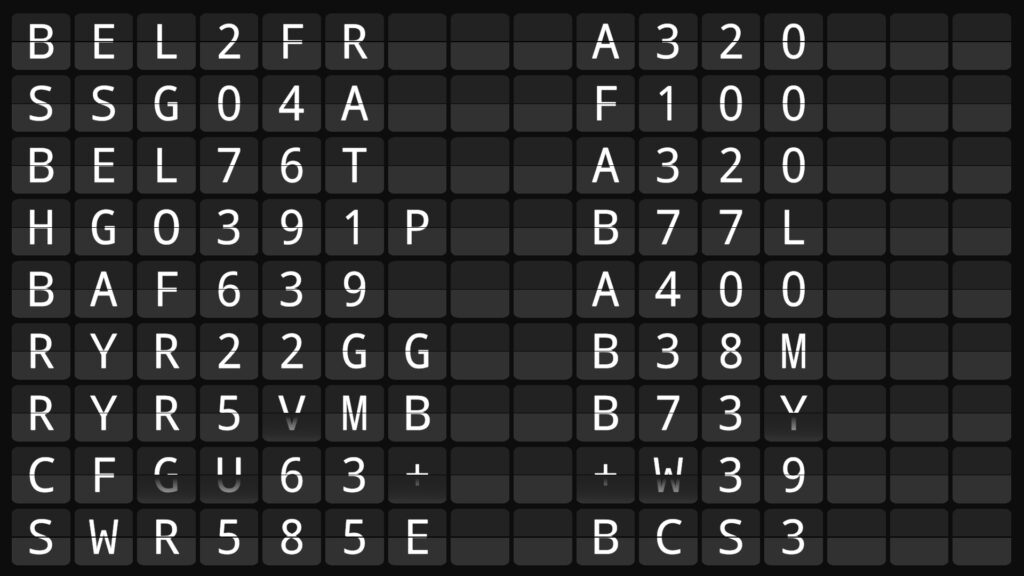
There is something undeniably magnetic about watching planes. Whether you are standing at an airport observation deck or tracking a flight on your phone, the movement of aircraft across the globe sparks curiosity. But tracking flights on a tiny smartphone screen lacks the grandeur that aviation deserves.
What if you could bring the romance of the departures board into your home, office, or café, powered by real-time data? By combining the precise tracking data from airplanes.live with the retro-cool aesthetic of a Split-Flap TV, you can transform raw numbers into a mesmerizing piece of kinetic art.
This guide explores how you can use live API data to create a stunning, dynamic display that captures the magic of flight.
The Magic of Real-Time Aviation Data
Aviation enthusiasts know that data is beautiful. The airplanes.live API provides an incredible wealth of real-time information. It doesn’t just tell you a plane is flying; it tells you the altitude, speed, squawk code, aircraft type, and exact location.
When you feed this live stream of data into a split-flap display system, you aren’t just displaying text. You are creating a living window into the sky above you.
Why Airplanes.Live?
Unlike some closed systems, airplanes.live is community-driven and offers accessible data for developers and hobbyists. This openness makes it the perfect engine for creative projects. You can filter data to show flights overhead, track specific aircraft types, or monitor traffic at your local airport.
Creative Ways to Display Flight Data
A Split-Flap TV setup mimics the mechanical clattering boards of old train stations and airports. When connected to live data, every update creates a visual and auditory ripple that demands attention. Here are some inspiring ways to use this setup.
1. The Personal “Departures” Board
Imagine hanging a display in your home office that tracks the airspace directly above your house.
- What it displays: The flight number, origin, destination, and altitude of the nearest aircraft.
- The experience: You hear the board flip. You look up and see “BAW123 – LONDON TO NEW YORK – 35,000 FT.” You look out the window, and there it is—a contrail cutting across the blue sky. It connects your physical location to the global network of travel instantly.
2. The Aviation-Themed Café or Bar
For businesses, atmosphere is everything. If you run a coffee shop near an airfield or a travel-themed bar, a live flight board is a conversation starter like no other.
- What it displays: A curated list of arrivals and departures from the local airport, or perhaps flights coming from coffee-growing regions like Colombia or Ethiopia.
- The experience: Customers aren’t just waiting for a latte; they are watching the rhythm of the airport. It adds a layer of sophistication and thematic depth that a silent LCD TV simply cannot match.
3. The Corporate HQ “Global Connect”
For multinational companies, offices can feel isolated from one another. A split-flap display can bridge that gap.
- What it displays: Real-time tracking of flights carrying executives or team members between offices.
- The experience: It visualizes the company’s movement. When the CEO’s flight lands in Tokyo, the board updates with a satisfying clatter. It turns travel logistics into a shared team moment.
4. Interactive Art Installations
Artists and makers can use the API to filter for specific, rare aircraft.
- What it displays: Alerts for “Rare Birds”—maybe an Antonov cargo plane, a vintage Spitfire, or a specialized research aircraft.
- The experience: The board remains quiet for hours, then suddenly bursts into life when something unique enters the airspace. It turns the passive act of flight tracking into an event.
How It Works: The Tech Behind the Click
Connecting these two worlds—modern APIs and retro displays—is easier than it sounds.
- The Source (Airplanes.Live API): You can use the airplaces.live API where you can set parameters, such as “show me all flights within a 50-mile radius” or “only show aircraft flying below 10,000 feet.”
- The Formatting: The raw JSON data from the API needs to be formatted into lines of text that fit your display (e.g., aligning columns for Flight Number, City, and Status). This is done on the design of your Split-Flap TV board.
- The Output (Split-Flap TV): The formatted text is sent to your split-flap software and you use our JSON dynamic data provider to fetch the data onto your board. Your television will then show real-time flight information.
The result is a seamless flow of data. The API provides the intelligence; the split-flap display provides the soul.
Why This Matters
We live in an age of silent, smooth, high-resolution notifications. They are efficient, but they are boring.
Using split-flap technology to visualize flight data restores the sense of wonder associated with flying. It reminds us that aviation is heavy, mechanical, and miraculous. The sound of the flaps turning is a physical confirmation of a digital reality.
Whether you are an aviation geek (AvGeek) looking for the ultimate desk accessory, or a business owner wanting to create a unique customer experience, merging airplanes.live data with a retro display is a powerful way to stand out. It turns the invisible highways of the sky into something you can see, hear, and feel.
Ready for Takeoff?
Don’t let that data stay hidden in a browser tab. Give it the grand presentation it deserves.
Explore how Split-Flap TV can transform your space and bring real-time aviation data to life. Start building your own departure board today.