
Discover the Best Fashion Boutiques for Unique Style Choices
May 4, 2026 · Captain
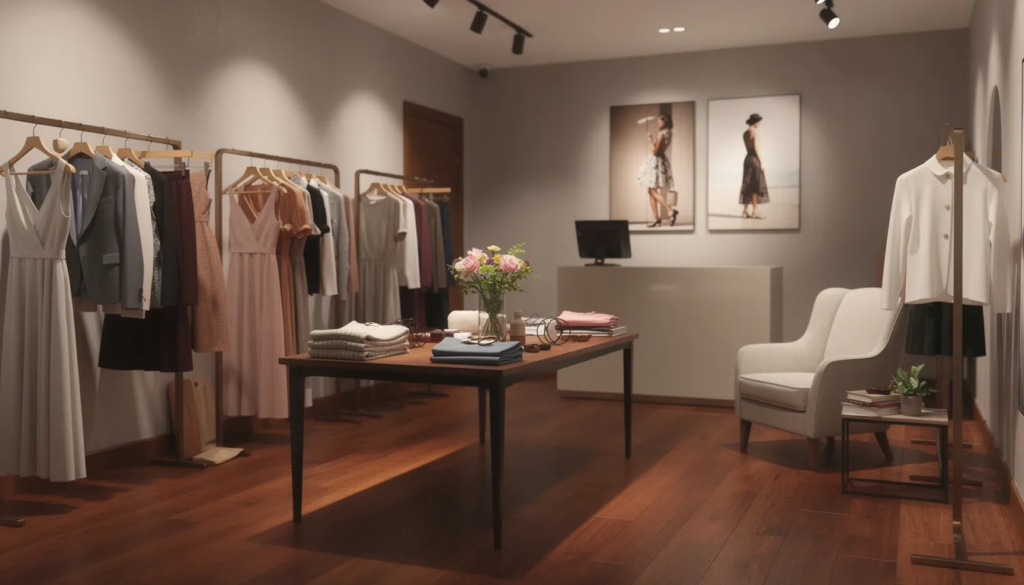
The retail landscape of 2026 looks dramatically different from a decade ago. While fast fashion chains like Zara and H&M continue churning out thousands of SKUs at breakneck speed, and big-box retailers stock cavernous floors with mass-produced apparel, a quieter revolution has taken hold in neighborhoods across the globe. Fashion boutiques—small, independently owned shops specializing in carefully curated collections—are thriving by doing exactly the opposite.
Walk down New York’s SoHo and you’ll pass over 200 independent fashion stores. Head to Los Angeles’ Silver Lake and discover around 50 curated shops with a bohemian-chic vibe. Austin’s South Congress Avenue lines up 30-plus boutiques blending Texas flair with global trends, while London’s Shoreditch buzzes with 100+ streetwear and vintage-infused outlets. These aren’t stores competing on volume or the lowest prices. They’re spaces designed to inspire, connect, and deliver something you won’t find in a checkout line at the mall.
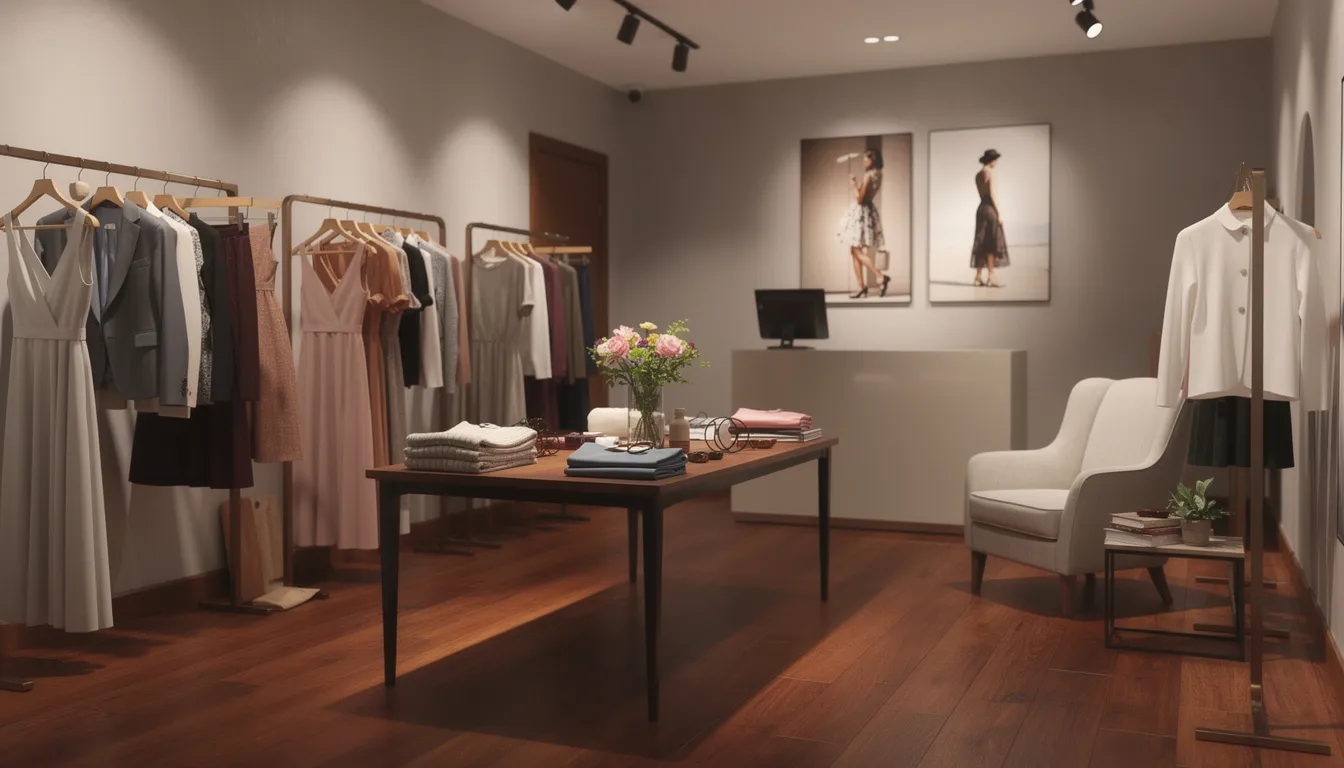
Introduction to Modern Fashion Boutiques
What separates a fashion boutique from a department store or fast fashion chain? The answer comes down to three words: curation, service, and atmosphere. Where a Macy’s might carry thousands of items per category, a boutique stocks just 12–24 units per style. This scarcity isn’t a limitation—it’s strategy. When your customers know that sapphire-blue tee might sell out by week’s end, they buy today instead of waiting for a markdown.
Boutique owners hand-pick every piece that hangs on their racks. They attend trade shows, build relationships with small-batch suppliers, and craft collections that tell a cohesive story each season. The result is an experience that makes people stop browsing and start trying things on. Staff-to-customer ratios of 1:10 (compared to 1:50 in big-box stores) mean genuine fit guidance, personal styling sessions, and the kind of service that builds loyalty.
The numbers support this approach. McKinsey projects global fashion industry growth at a modest 3–5% through 2026, but the midmarket segment—where many boutiques operate—emerges as the fastest value creator. Luxury has stagnated from unchecked price hikes without quality gains. Fast fashion faces consumer fatigue. That leaves a sweet spot for curated retail: stores that offer something special at prices people can justify.
Atmosphere plays an equally critical role. Exposed brick walls, soft ambient lighting, signature scents from locally made candles, and carefully chosen playlists create spaces where customers want to linger. Average dwell time in a boutique runs 20–30 minutes versus 5–10 in big-box stores. That extra time translates to more items tried, more outfits assembled, and higher transaction values.
Types of Fashion Boutiques
Fashion boutiques come in many forms, each serving distinct customer profiles and aesthetic sensibilities. Understanding these categories helps both aspiring shop owners and dedicated shoppers navigate the landscape. From women’s apparel specialists to lifestyle concept stores, each boutique type brings its own approach to curation, pricing, and in-store experience.
Women’s Clothing Boutiques
Women’s apparel boutiques remain the dominant category in the sector. Walk into one of these shops and you’ll typically find a curated assortment of casual chic pieces:
- Denim tie tops: around $44
- Eyelet blouses: $45
- Knit cap-sleeve tops: $48
- Statement sweaters: $50
These aren’t random selections—owners plan each buy to create a cohesive color story and style narrative.
Key Features of Women’s Clothing Boutiques
The magic lies in limited runs. A boutique might carry papaya and lemon-colored sweatshirts in a quantity of just twelve pieces total, or sapphire and cerulean tees that sell out within days of the drop. This exclusivity attracts women in their 20s–40s looking for pieces they won’t spot on every high street corner.
Buy cycles follow seasonal rhythms with precision. Spring florals arrive in late February drops. Fall knits hit racks by September. Holiday partywear capsules launch in early November. Successful boutiques target sell-through rates above 70%, a stark improvement over fast fashion’s typical 30–40% overstock waste. When you’re working with small-batch orders, every piece matters.
Menswear and Streetwear Boutiques
Key Features of Menswear and Streetwear Boutiques
Neighborhoods like Brooklyn’s Williamsburg and San Francisco’s Mission District host clusters of menswear and streetwear boutiques with a distinctly different vibe. Industrial clothing racks, gallery-like displays, and curated lo-fi playlists create spaces that feel more like cultural outposts than retail stores.
Key categories include premium selvedge denim ranging from $120–$300, minimalist T-shirts from $70–$150, technical outerwear with crease-resistant fabrics, and limited-edition sneakers that often sell out within hours. These shops reference specific aesthetics—Japanese denim heritage, Scandinavian minimalism, or LA-inspired streetwear—without chasing every passing trend.
Why do customers accept higher prices here? The answer comes down to design, fit, and longevity. A $200 pair of selvedge jeans lasts 3–5 years with proper care, while fast fashion denim might survive a single season. That math makes sense to people who value their wardrobes as investments rather than disposable purchases.
Concept and Lifestyle Boutiques
Key Features of Concept and Lifestyle Boutiques
Concept boutiques blur the line between fashion retail and lifestyle curation. Step inside and you’ll find apparel sharing shelf space with artisan ceramics, coffee beans from local roasters, small-edition art books, and vinyl records. These shops create worlds, not just product assortments.
Store design elements reinforce the narrative: exposed brick walls, reclaimed wood tables, retro signage, and carefully staged mannequins in motion-posed outfits. The sensory details matter—warm lighting at 2700K, mid-century furniture, and signature fragrances from $40 candles displayed near the register.
Cross-selling strategies shine in these environments. Owners pair a $45 navy printed blouse with a $70 locally made leather bag or curated jewelry line. This approach lifts average transaction values by 25–35% compared to apparel-only boutiques. When everything in the shop feels connected by aesthetic vision, customers naturally buy across categories.
Sustainable and ethical boutiques represent a growing subcategory, prioritizing organic fabrics, small-batch production, and transparent supply chains. These shops ride 2026’s seasonless trend with neutral palettes—almond, oatmeal, and soft white—in multifunctional pieces that transcend traditional seasonal drops. Industry surveys show 60% of shoppers now factor sustainability into purchase decisions.
Online-only and click-and-mortar hybrids round out the landscape. These businesses combine e-commerce with pop-up showrooms or small permanent spaces, leveraging AI for personalization features like “Scan Your Fit.” The custom apparel market hits $65 billion in 2026 with 40% annual growth, giving boutique-scale operators new options to test physical presence without full overhead commitments.
Curating a Boutique Collection
Behind every well-edited boutique rack sits months of planning, relationship building, and data analysis. The curation process blends art with commerce, intuition with sell-through metrics. Understanding this process reveals why boutique collections feel so different from mass retail assortments.
Trade Shows and Buying Calendar
Trade shows anchor the buying calendar. MAGIC in Las Vegas draws 40,000 attendees biannually for spring/summer and fall/winter previews. Coterie in New York brings together contemporary brands and buyers in a more intimate setting. These events let owners touch fabrics, assess construction quality, and negotiate small-batch orders directly with suppliers.
Color Stories and SKU Distribution
Color stories guide each season’s collection. A spring buy might center on cerulean and sapphire blues for a sense of fluidity, while fall collections anchor around almond and oatmeal neutrals for seasonless versatility. Successful owners plan SKU distribution across categories: roughly 40% tops, 25% bottoms, 20% dresses, 10% outerwear, and 5% accessories.
Size Inclusivity and Small-Batch Orders
Size inclusivity has become standard practice, with many boutiques now carrying XS–XL or extending to 4XL to tap into fluidity and identity-driven dressing trends. Small-batch orders—typically 12–24 units per style—maintain scarcity while reducing overstock risk. This approach ties up less capital compared to chains where excess inventory consumes 20–30% of working resources.
Price Architecture and Margin Planning
Pricing in a boutique follows deliberate ladders:
- Entry-level tops: ~$30
- Core pieces: $45–$55
- Statement items: $70 and above
Most boutiques use keystone markup as a baseline, doubling wholesale cost to establish retail price. A top purchased at $25 wholesale sells for $50, yielding a 50% gross margin. Stronger positioning allows above-keystone markup, targeting 55–60% margins. A $22 wholesale denim top marked to $55 generates $33 profit per unit.
Promotional strategies require careful balance. End-of-season sales clear aging inventory but erode margins if overused. Smart boutiques implement weekend markdowns of 20–30% on slow-movers mid-season rather than waiting for dramatic clearance events. This approach preserves regular price integrity while maintaining cash flow.
Seasonal Drops and New Arrivals
Fresh inventory keeps customers coming back. During peak seasons—spring and fall—successful boutiques release new arrivals 2–3 times per week. This rhythm creates urgency and encourages repeat visits from local shoppers who want first pick of new pieces.
Many owners implement “Thursday drop” strategies, planning and shooting collections in advance for social media campaigns. Product photography happens Sunday or Monday, posts schedule Tuesday and Wednesday to build anticipation, and new pieces hit the floor Thursday morning. This cadence keeps content fresh without overwhelming the team.
Spring drops typically launch late February and run through May, featuring playful prints, raw denim, and transitional layers. Fall buying starts September, emphasizing knits, outerwear, and richer color palettes. Pre-holiday capsules arrive in early November with partywear and gift-worthy items. Balancing novelty against inventory control means capping active SKUs at 200–300 to prevent overcrowded racks while maintaining the power of a well-edited selection.
Creating the Boutique Experience In-Store
Despite e-commerce growth, US consumers still favor brick-and-mortar for apparel at 55% preference rates. People want to touch fabrics, try on fits, and see how colors play against their skin. The in-store experience represents a boutique’s greatest competitive advantage over online-only competitors.
Visual merchandising makes the first impression. Color-blocked rails group trending pieces like romantic drapery in soft fabrics. Feature tables spotlight new arrivals with professional-level styling. Mannequins posed in motion—sometimes with small fans enhancing fabric drape—model complete outfits that inspire shoppers to assemble looks rather than buy individual pieces.
Split Flap displays are a modern branding solution for various environments including retail, offices, and restaurants, illustrating how split-flap displays are making a comeback in digital spaces. Restaurants use these displays to showcase daily specials, menu items, and branding messages, highlighting both visual appeal and operational advantages.
Customer service elevates transactions into relationships. Personal styling sessions lasting 30 minutes boost sales by 40% according to industry data. Fit guidance helps hesitant shoppers commit. Complimentary hemming or simple alterations remove barriers to purchase, especially for premium denim and tailored pieces.
Fitting room design directly impacts conversion. Flattering lighting, full-length mirrors at proper angles, seating for companions, and hooks placed at convenient heights all encourage customers to try more items. Some boutiques add tablets for clienteling, letting staff pull up purchase history and make personalized recommendations inside the fitting room.

Atmosphere and Storytelling
Every sensory detail in a boutique reinforces its brand story. Music curation sets the mood—indie playlists syncing with bohemian aesthetics, lo-fi beats complementing streetwear spaces, jazz standards supporting classic menswear. The right soundtrack extends dwell time and puts shoppers at ease.
Signature scents from locally sourced candles create memory anchors. Customers subconsciously associate that specific fragrance with positive shopping experiences, making them more likely to return. Some boutiques sell their signature candle as a retail item, turning atmosphere into additional revenue.
Signage and typography communicate brand values at every touch point. Growing numbers of boutiques embrace retro elements—1960s-inspired split-flap displays, analog-style typography, and mid-century furniture—to stand out from the minimalist chains that dominate malls. These nostalgic design cues signal authenticity and craftsmanship, values that resonate with customers fatigued by corporate sameness.
Digital Signage and In‑Store Communication
Modern boutiques increasingly use digital signage to highlight daily promos, styling tips, and new arrivals in real time. A thin-bezel 55–75” TV positioned behind the cash wrap or in the window display can run curated lookbooks, promotional callouts, and announcements without requiring printed materials that become outdated, especially when powered by a revolutionary Split-Flap TV retro display.
Split-Flap TV offers a subscription-based SaaS solution that turns any television into a nostalgic split-flap style board. The aesthetic evokes 1960s train station and airport departure boards—the familiar flipping letters and numbers that signal departures and arrivals. But instead of flight information, boutiques display messages, schedules, and rotating features that capture attention and reinforce brand personality. Setup is quick and easy: simply connect the mediaDROID+ to your screen using HDMI for rapid deployment, making it an accessible way to revitalize your space with digital split-flap displays.
Specific use cases bring this technology to life. Rotate an “Outfit of the Day” featuring staff picks with a video tag linking to the full look. Announce a Saturday trunk show at 2:00 PM with a designer. Promote a new denim capsule with size and color options available. Display weather and time in a retro departure-board layout that makes customers smile.
The practical benefits extend to daily operations. Content updates happen in minutes via a web dashboard, letting owners react to sell-outs, weather changes, or last-minute events without waiting for signage production. Program rotating messages that support seasonal campaigns, from “Spring arrivals just in” to “Holiday gift guide now ready.” This flexibility keeps in-store communication aligned with social media content and overall marketing strategy. Split Flap displays can be customized in size and color to fit specific branding needs, and installation is straightforward—modules can be hung directly on the wall or mounted using frames and stands, often completed in a few steps with basic tools. Split Flap displays are energy-efficient and built with sustainable materials, making them a long-lasting signage option and a strong example of a digital split flap display for retro signage. For larger boutique networks, tracking the number of displays, users, or accounts within your signage network ensures scalability and comprehensive control.
Digital Presence: From Instagram to In‑Store
In many cities, 70% of customers discover boutiques first on Instagram or TikTok before ever visiting in person. Digital presence isn’t optional—it’s the primary door through which new customers enter. Smart boutiques treat social media as an extension of their physical space.
Consistent photography establishes visual identity. Flat lays of navy printed blouses against textured backgrounds. Try-on Reels featuring almond eyelet tops styled multiple ways. Carousel posts highlighting full outfits that customers can shop in-store. Online boutiques also allow customers to add items to their cart, where they can view the current quantity and status of their purchase before proceeding to checkout. Each piece of content should feel connected by aesthetic vision, lighting style, and color palette.
Stories and Reels announce new arrivals 2–3 times per week during peak seasons. Low-stock alerts create urgency for popular items. Restocks get their own posts, rewarding followers who missed the first drop. This rhythm keeps the feed active without overwhelming followers with pure product shots.
Email and SMS lists deepen engagement with the most dedicated customers. Share digital lookbooks, offer early access to drops, and send event invites—like a July 2026 summer styling night with champagne and after-hours shopping. Opt-in rates of 20–30% are achievable with proper incentives, and these lists drive 15–25% traffic uplift during promotional periods.
Connecting Online Content to In‑Store Displays
The most effective boutiques create seamless connections between their online presence and physical space. When a Reel goes viral, they want that energy visible to every customer who walks through the door. Digital signage tools like Split-Flap TV make this integration practical and immediate.
Display a live Instagram follower count that updates throughout the day, creating social proof for visitors. Feature the top-liked outfit from the last week, encouraging customers to try on the pieces that resonated online. Show a rotating schedule of upcoming events, from designer appearances to styling workshops.
The key advantage lies in speed and flexibility. Messages update in minutes from the web dashboard, keeping the board aligned with daily social posts and promotions. When a new drop lands on Thursday, the in-store sign reflects that order of priority within moments. When weather turns cold unexpectedly, display layering suggestions with items currently in stock. This responsiveness transforms static retail into dynamic, real-time communication.
Operations and Technology Behind a Boutique
Running a boutique involves juggling multiple daily responsibilities: buying and vendor relations, inventory control, staffing and scheduling, visual merchandising, marketing execution, and bookkeeping. Technology helps small team manage these demands without losing the personal touch that defines boutique retail.
Point-of-sale systems with integrated inventory management track sell-through rates per SKU, conversion rates (aim for 25–35%), and average transaction values ($80–$120 for healthy boutiques). Simple CRM features log purchase history and customer preferences, enabling personalized outreach and informed styling recommendations during future visits.
Data drives buying decisions in ways that weren’t possible a decade ago. When a cerulean tee achieves 85% sell-through in two weeks while a similar style in ivory sits at 30%, that information shapes next season’s color story. Pattern recognition replaces guesswork, reducing overstock risk and improving margins.
Practical tech investments include Wi-Fi receipt printers, barcode scanners for efficient checkout, and tablets for clienteling on the shop floor. Staff can pull up a customer’s purchase history, note size preferences, and make relevant suggestions without leaving the customer’s side. These tools support the high-touch service that differentiates boutiques from self-service retail.
Scheduling Promotions and Messages with Digital Tools
Marketing calendars in retail follow predictable rhythms: Mother’s Day (20% sales spike), Black Friday (50%+ for many stores), back-to-school seasons, and pre-holiday gift shopping. Aligning in-store messaging with these periods amplifies campaign impact and creates cohesive customer experiences.
Split-Flap TV’s scheduling features let owners pre-program rotating announcements weeks in advance. Queue up “New arrivals just in” for Thursday morning drops. Set “Spring sale ends Sunday at 6 PM” to display automatically during the final weekend. Program “After-work shopping from 5–7 PM: free gift wrap” to appear when time-of-day triggers activate.
Real-time data integrations add another layer of relevance. Display local weather conditions with styling suggestions—light layers for a mild afternoon, cozy knits when temperatures drop. Show countdown timers for limited-time promotions. These dynamic elements make the sign feel alive and responsive rather than static and forgettable.
Example Marketing Calendar:
- Week One: Feature spring arrivals with color-blocked Reels and matching in-store displays.
- Week Two: Highlight a local designer trunk show scheduled for Saturday.
- Week Three: Promote a flash sale on winter markdowns.
- Week Four: Tease summer preview pieces.
Each message schedules in advance, freeing the team to focus on customers instead of last-minute sign changes.
Sustainability in Fashion Boutiques
Sustainable Materials and Practices
🌱 Sustainability has evolved beyond mere industry jargon—it’s become the heartbeat that pulses through modern boutiques, creating authentic connections with customers who crave something deeper than fleeting trends. Today’s shoppers arrive with a sense of purpose, almost reverent in their search for businesses that mirror their own values. For fashion boutiques, embracing sustainability isn’t just planetary stewardship—it’s a beautiful way to kindle genuine engagement, craft unforgettable moments, and shine with authentic distinction in an oversaturated marketplace.
💚 Boutiques are weaving stories of wonder through their careful selection of materials—organic cotton that feels like morning sunshine, recycled polyester that whispers tales of second chances, bamboo that carries the essence of natural resilience. Every garment becomes a conversation piece, a testament to thoughtful sourcing that customers can touch, feel, and treasure. Many shops have transformed waste reduction into an art form—implementing recycling programs that feel like community rituals, donating unsold treasures to local charities with the warmth of shared purpose, choosing reusable packaging that customers smile about long after they’ve left. These gestures create profound moments of connection with shoppers who hunger for transparency and authenticity.
Technology and Sustainability
✨ Technology weaves its own kind of magic in making sustainability both practical and enchanting. Energy—efficient LED lighting casts that perfect golden glow while smart power management systems work quietly behind the scenes, creating inviting atmospheres that feel both conscious and captivating. Digital displays and screens—powered by solutions like Split Flap TV reviving the classic display board—replace traditional printed signage with the grace of old—school mechanical wonder, allowing boutiques to refresh their messaging with the satisfying flip of nostalgic motion. With just a few thoughtful touches, owners can share stories about fresh arrivals, celebrate eco—friendly collections with pride, or showcase sustainability initiatives through video content that feels alive and meaningful. This delightful flexibility means boutiques can keep their voice fresh and purposeful, nurturing both their community and the planet.
Digital Engagement for Sustainability
🛍️ Online features add layers of thoughtful convenience to the sustainable shopping journey. Offering digital checkout with in—store pickup creates that perfect balance—reducing shipping emissions while giving customers the freedom to shop at their own rhythm. Digital signage can gently promote these options right inside the space, encouraging shoppers to choose the path that feels both convenient and earth—friendly. By weaving together customer purchase history, boutiques craft personalized recommendations and targeted moments that make every visit feel like coming home to a place that truly knows you.
📱 Social media and digital engagement become powerful storytelling tools that spread inspiration far beyond the shop walls. Boutiques can use their online presence to share intimate behind—the—scenes glimpses of sustainable sourcing, update their community about recycling initiatives with genuine enthusiasm, or invite customers to join meaningful environmental causes that matter locally. In—store screens can display live social feeds, heartfelt customer testimonials, or countdown timers to the next eco—friendly collection drop, harnessing the nostalgic magic of departure board motion to transform sustainability into an interactive celebration that brings people together.
Customer Loyalty Through Sustainability
🏆 The results tell a beautiful story—boutiques that embrace sustainability with genuine heart see customers returning with loyalty that feels more like friendship, engagement that sparkles with authentic interest, and reputations that glow with respected leadership in their communities. Through thoughtful choices—whether it’s the materials they lovingly curate, the displays they craft with intention, or the way they share their story—boutiques can inspire customers and create new standards for retail that feels both responsible and deeply human.
🌟 Ready to begin your own sustainability story? Start by updating your displays to celebrate sustainable features with pride, create video content that tells your eco—journey with warmth, or offer digital checkout with in—store pickup to lighten your carbon footprint with purpose. Every step you take today weaves a thread in the tapestry of tomorrow—for your business, your customers, and our shared world.
Future Trends for Fashion Boutiques
The retail landscape through 2026 and beyond favors agile players who can adapt quickly to changing consumer preferences. Low overall industry growth (3–5%) means the winners take share from underperformers rather than riding a rising tide. Boutiques positioned with distinctive curation, memorable spaces, and smart technology will capture disproportionate success.
Micro-collections of 50–100 SKUs per drop borrow from streetwear culture, creating limited “hype” releases that drive urgency and engagement. Local maker collaborations bring exclusivity that online-only retailers can’t replicate—imagine a capsule collection with a neighborhood ceramicist or a print collaboration with a local artist.
Experiential events build loyalty in ways pure product can’t achieve. Styling workshops with attendance up 30% year-over-year create community. Designer launches turn shopping into social events. After-hours parties with wine, music, and first access to new drops make customers feel like insiders rather than transactions.
Digital signage adoption continues growing across industries, with boutiques particularly drawn to nostalgic display aesthetics that differentiate from big-box stores and purely digital competitors. Split-flap style boards, including affordable split-flap boards for boutiques, resonate with customers seeking authenticity amid algorithmic sameness.
Blending Nostalgia with Digital Innovation
Retro visual elements—like 1960s-style departure boards—resonate with customers precisely because they feel handcrafted and intentional in an age of automated everything. The flipping letters and numbers capture attention in ways that static screens cannot. People stop, watch the action, and remember.
Split-Flap TV lets boutiques achieve that nostalgic feel on modern TVs and tablets without the cost and complexity of mechanical boards. No maintenance headaches from broken flaps. No limited character sets. Just the familiar aesthetic delivered through reliable digital technology and the perfect blend of nostalgia and modern technology.
Practical applications bring the vision to life. List today’s featured brands on a board near the entrance. Show staff picks rotating every few minutes to highlight different team members’ tastes. Display “Next Drop: Friday, March 20, 2026 – 10:00 AM” to build anticipation for new arrivals. Each message reinforces the boutique’s curatorial voice while delivering useful information to customers.
Picture a boutique where curated racks display limited-run pieces in thoughtful color stories. Warm lighting at 2700K creates an inviting glow. A signature scent from locally made candles fills the space. And near the register, a screen displays messages in that familiar split-flap style—letters flipping to announce the outfit of the day, the time, today’s local weather, much like the best split flap installations in our community. Staff greet customers by name, pull up purchase history on tablets, and offer styling advice rooted in genuine expertise.
This is where fashion boutiques thrive: at the intersection of curation, atmosphere, and thoughtful technology. The shops that master this combination don’t just survive—they become destinations. They create experiences that big-box retailers and algorithm-driven e-commerce simply cannot match. And in a market where consumers increasingly value authenticity, that positioning matters more than ever.
Ready to explore how digital signage with nostalgic charm can transform your boutique’s in-store experience? Visit Split-Flap TV to see how our platform brings the warmth of vintage departure boards to modern retail spaces, and review our guide on getting started with Split-Flap TV to implement it step by step.