
Bed & Breakfast: Real B&B Stays, Real Morning Experiences
March 30, 2026 · Captain
You step through a weathered oak door into a warmly lit foyer. The scent of cinnamon and fresh-ground coffee drifts from somewhere beyond the staircase. On a small table, a handwritten card bears your name beside a bowl of homemade granola. This is what staying at a real bed and breakfast feels like in 2026—and it’s exactly why travelers are returning to this form of hospitality in record numbers.
This guide is for travelers seeking authentic, memorable lodging experiences and for anyone curious about what sets real bed and breakfasts apart from hotels and rentals.
A bed and breakfast (B&B) is a lodging establishment, typically located in a unique or historic setting, that offers a more intimate experience than hotels by providing personalized service, comfortable accommodations, and a freshly prepared breakfast each morning.
Bed & Breakfasts in 2026: What “Real B&B” Really Means
A true bed and breakfast is a host-occupied property with a limited number of rooms where breakfast is cooked onsite each morning. This definition matters more than ever because the term gets stretched across booking platforms to cover everything from 200-room hotels to anonymous vacation rentals with a box of cereal in the pantry.
The distinction is both legal and experiential. In many U.S. municipalities, a B&B must be the owner’s principal residence, offer accommodations for stays under 30 consecutive days, and serve breakfast prepared on the premises. Granbury, Texas, for example, limits such properties to two guests per bedroom and requires an 18-hour minimum stay to prevent party-like transient use. These regulations exist to preserve the intimate, neighborhood-friendly character that defines the B&B experience.
Since 2020, travelers have increasingly sought personalized services, authenticity, and locally sourced food over the predictability of chain hotels. Industry data shows B&B occupancy rebounded to 65% by 2023, with booking organizations like Select Registry noting a 20% increase in reservations for properties emphasizing local ingredients and genuine innkeeper hospitality. In 2026, 72% of U.S. leisure guests cite “personal service” as a key factor when choosing where to stay.
Related reading: Design Hotels: Introduction & Overview
Defining Traits of a Real B&B
- The owner or manager lives on the property full-time
- Rooms typically number between 3 and 15, not hundreds
- Breakfast is cooked to order each morning, not pre-packaged
- Shared communal spaces (parlors, gardens, dining rooms) encourage guest interaction
- Stays feel residential, not institutional
- Local knowledge flows freely from hosts who know the area intimately
Additionally, B&B rooms are often individually decorated with specific themes or antiques, further distinguishing them from standard hotel accommodations.
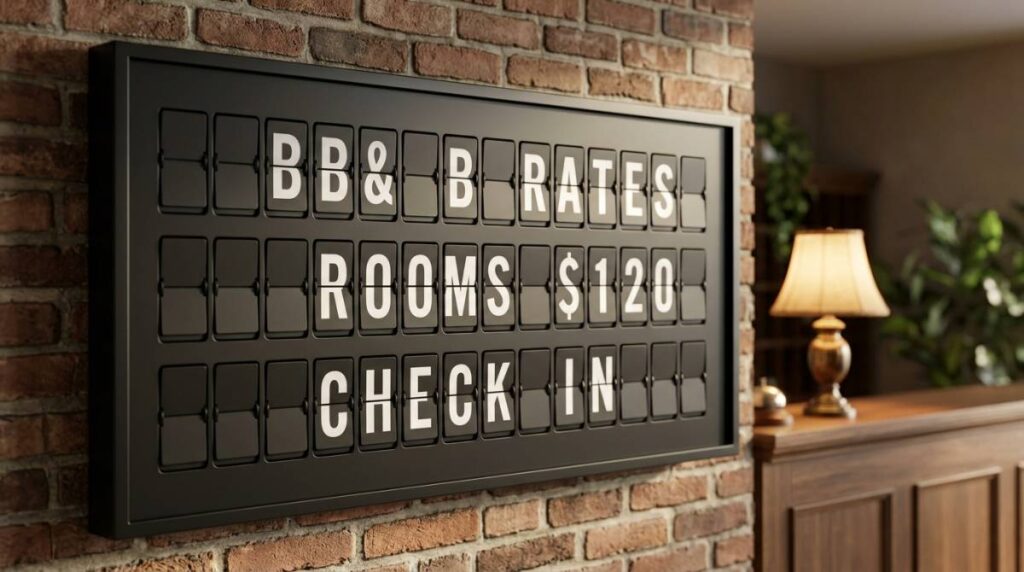
Some boutique B&Bs now use subtle digital displays—like split-flap-style boards that mimic classic mechanical displays in their lobbies—to show breakfast menus and daily activity listings. These tools enhance the guest experience without disrupting the vintage charm that makes B&Bs special.
Booking a Genuine Bed & Breakfast (and Avoiding Look-Alikes)
Finding a real B&B in 2026 requires a bit of detective work. Major online travel agencies mix genuine host-occupied inns with guesthouses, hostels, and full vacation homes under the same “bed breakfasts” category. An Airbnb listing advertising “B&B-style service” might deliver nothing more than a lockbox code and a silent apartment.
When searching for a genuine B&B, pay close attention to the locations available—unique settings like national parks, historic sites, or vibrant city areas can greatly enhance your stay and offer a more memorable, localized experience.
The difference matters. A true B&B means someone is there to greet you, someone prepared your eggs that morning, and someone can tell you which hiking trail has the best wildflowers this week. That personal contact is the entire point.
Practical Checks When Booking
- Verify that the owner or innkeeper lives onsite—70% of U.S. B&B ordinances require this
- Confirm breakfast is included and cooked fresh, not a self-serve continental spread
- Look for properties with 3 to 15 rooms, not 50 or 200
- Check photographs for a shared dining room or breakfast parlor
- Look for communal lounges rather than full kitchens in every unit
- Read 2024–2026 reviews for mentions of “innkeeper,” “hosts,” or “home-cooked breakfast”
- Avoid listings that emphasize 30+ day minimums or cleaning fees typical of vacation rentals
- Watch for split-flap style menu boards or chalkboards in dining room photos—a sign of authentic B&B culture
Reading Reviews for Authenticity
Recent reviews reveal whether a property delivers the genuine B&B experience. Search for phrases like:
- “the host remembered our names”
- “breakfast was made fresh”
- “the innkeeper recommended a hidden waterfall”
These details signal real hospitality rather than a transactional rental.
Why Choose a Bed & Breakfast Instead of a Hotel or Rental?
Staying at a B&B means someone cares whether your pillow was comfortable. The innkeeper notices if you prefer tea over coffee and adjusts without being asked. When you mention wanting to explore a nearby vineyard, they hand you a map they’ve annotated themselves.
This personalization simply doesn’t exist at scale. Hotels manage hundreds of guests with standardized procedures. Their breakfast rooms serve buffet trays of lukewarm eggs and frozen pastries reheated overnight. Short-term rentals offer privacy but leave you alone—no one answers when you knock, and you’re responsible for cleaning fees, linen charges, and figuring out the Wi-Fi password from a binder on the counter.
B&Bs occupy a sweet spot: the privacy of your own room combined with the support of a real person who’s invested in your stay. According to Booking.com’s 2025 data, 85% of B&B guests rate their experience as “peaceful” compared to standard hotels, and professional associations report 40% lower incident rates at host-occupied properties.
Key Advantages of B&Bs
- Personalization: Hosts remember your name, adjust breakfast times, and offer tailored recommendations
- Value: Average nightly rates of $150–$250 include cooked breakfast, while hotels charge extra for inferior options
- Safety: A real person is always present, eliminating the isolation of anonymous rentals
- No surprise fees: Unlike rentals averaging $100+ in cleaning charges, B&B pricing is transparent
- Local expertise: Innkeepers know which restaurants locals love and which tourist traps to skip
- Community feel: Shared spaces encourage conversations with fellow travelers
Many B&Bs now use discreet digital tools like Split-Flap TV boards to display daily weather, breakfast specials, and local events. These digital displays blend seamlessly with vintage decor, delivering dynamic content without the jarring feel of generic hotel signage.
Breakfast at a B&B: What to Expect on the Table
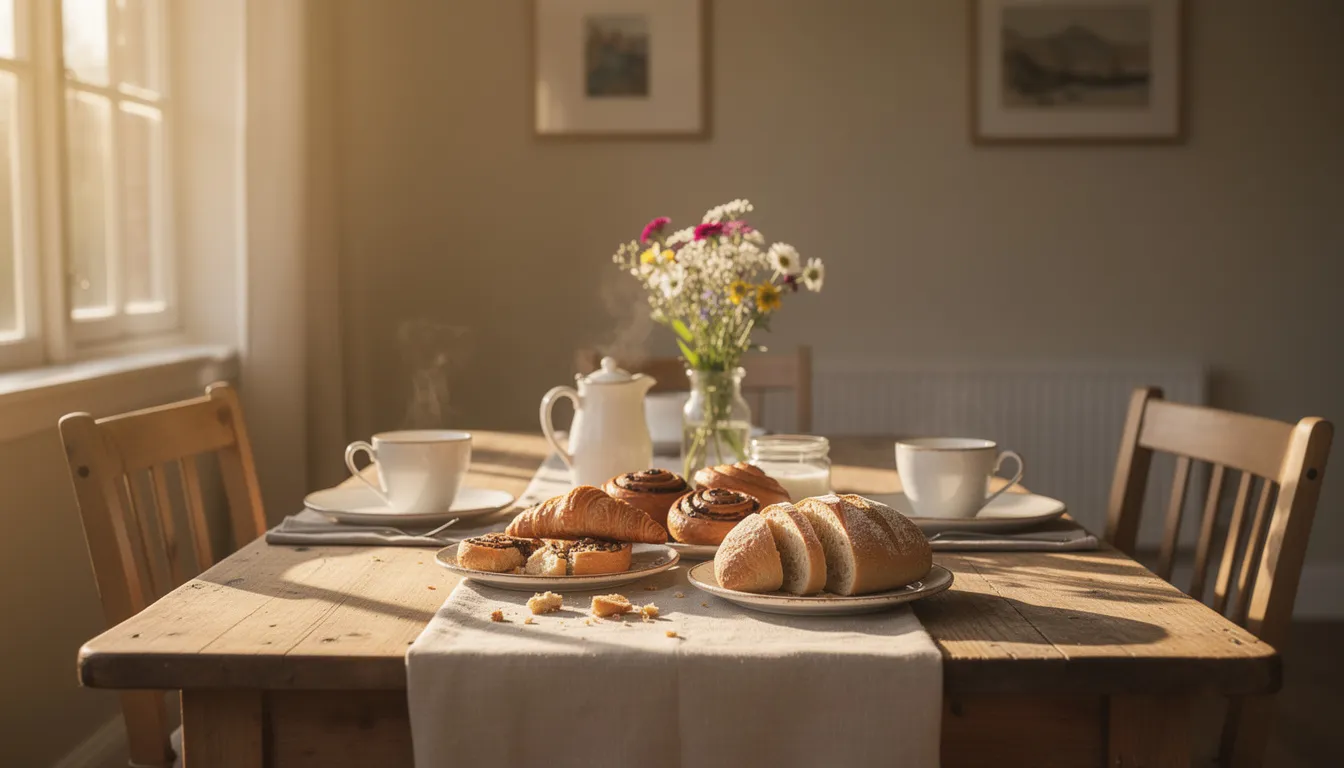
The dining room fills with soft clatter around 8:30 a.m. Sunlight catches the edge of a ceramic pitcher as the innkeeper emerges with a platter of eggs gathered that morning from a farm three miles away. French press coffee sits ready. Fresh fruit arranged beside homemade sourdough completes the scene.
This is breakfast at a U.S. B&B in 2026—and it’s fundamentally different from what hotels offer. Meals are typically served between 8:00 and 10:00 a.m., plated individually rather than left under heat lamps. The ingredients often come from local markets, and the menu changes based on what’s fresh and in season.
Typical Breakfast Hours
- Most B&Bs serve breakfast between 8:00 and 10:00 a.m.
- Some offer flexible times for early risers or special occasions
Ingredient Sourcing
- Ingredients often come from local farms, markets, or even the property’s own garden
- Menus change based on what’s fresh and in season
Breakfast Serving Styles
- Plated individual service (preferred by 70% of guests for intimacy)
- Expanded continental buffets with made-to-order egg stations
- Al fresco garden seating (rising 25% since 2020)
- Occasional breakfast-in-bed for honeymoon or anniversary guests
Health-conscious and special-diet options have become standard. According to Professional Association of Innkeepers International surveys, 60% of B&B properties now accommodate vegan, gluten-free, keto, and low-sugar requests. You might find tofu scrambles with seasonal vegetables, almond-flour muffins, or sugar-free yogurt parfaits alongside traditional offerings.

Regional Breakfast Specialties
- Vermont: Berry pancakes drizzled with local maple syrup
- Tel Aviv: Shakshuka with Middle Eastern spices and warm pita
- Greek Islands: Thick yogurt with thyme honey from nearby apiaries
- Cornwall: Kippers paired with clotted cream and fresh scones
- Napa Valley: Artisanal sourdough with vineyard estate eggs
- Tuscany: Local cheeses, prosciutto, and olive oil from the property’s groves
Some inns post rotating breakfast menus on charming boards—chalkboards, printed cards, or nostalgic split-flap display boards powered by Split-Flap TV software on a small screen in the dining room. The flipping letters evoke vintage train stations while displaying today’s blueberry pancake special.
Types of Bed & Breakfast Experiences Around the World
The term “bed breakfasts” covers a spectrum of properties, each offering distinct atmospheres and guest experiences. Different types of B&Bs are designed to appeal to specific audiences, such as culture seekers, wellness travelers, or families, ensuring that every guest finds a setting tailored to their interests. Understanding these categories helps you choose the right fit for your travel style.
Urban Boutique B&Bs
- Located near cultural sites, restaurants, and public transportation
- Example: A 5-room townhouse B&B in Lisbon’s Alfama district, steps from fado houses
- Typical guests: Culture seekers, city explorers, couples on romantic getaways
- Breakfast: Espresso, pastéis de nata, fresh fruit, and local cheeses
- Decor: Exposed brick, contemporary art mixed with antiques
Countryside Farm B&Bs
- Set on working farms or rural estates with garden-to-table breakfasts
- Example: A Vermont farmstead offering just-picked produce and eggs from resident hens
- Typical guests: Wellness travelers, families seeking nature, slow-travel enthusiasts
- Breakfast: Seasonal vegetables, homemade preserves, fresh-baked bread
- Average rate: $200/night including a multi-course morning meal
Coastal Inns
- Ocean views, seafood-accented breakfasts, and proximity to beaches
- Example: An Oregon Coast B&B with clam chowder omelets and tide-chart displays
- Typical guests: Romantics, families, photographers chasing golden hour
- Example: Cornwall cream teas paired with smoked fish and local butter
- Decor: Nautical touches, weathered wood, large windows facing the water
Historic Mansions and Castle B&Bs
- Restored estates offering a glimpse into architectural history
- Example: A Scottish castle with four-poster beds and full Scottish breakfast
- Example: A New England Victorian with afternoon tea service as an extension
- Typical guests: History buffs, architecture enthusiasts, special occasion travelers
- Breakfast: Traditional regional dishes served in grand dining rooms
Subtle digital signage helps these properties communicate daily plans. A Split-Flap TV board inspired by classic departure boards in a Napa Valley inn’s lobby might list:
- “Vineyard tour at 14:00”
- “Cheese tasting at 18:30”
- “Sunrise yoga at 06:45”
The nostalgic flip-style aesthetic preserves old-world atmosphere while delivering real time content to guests.
Top Bed & Breakfast Destinations to Consider for 2026 Trips
Certain regions have developed particularly strong B&B cultures where innkeeping is a respected tradition and breakfast is treated as an art form.
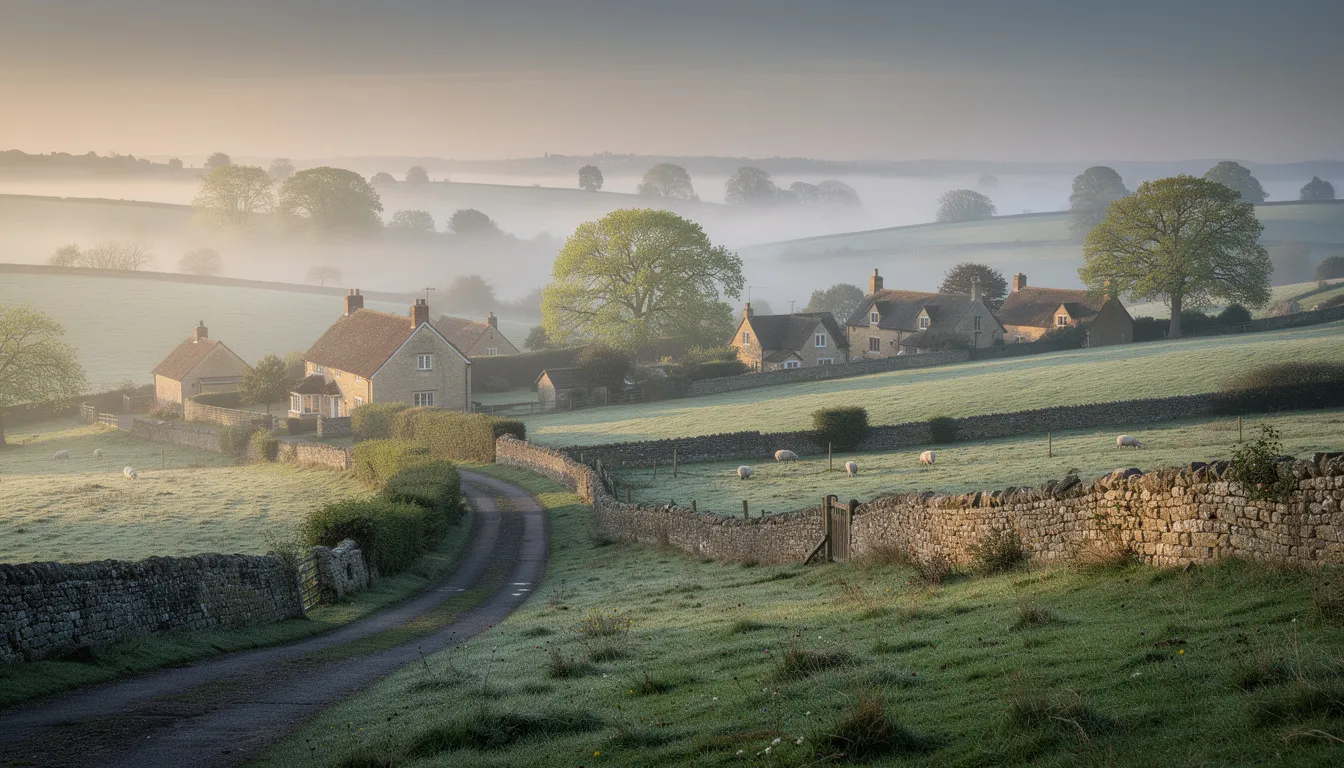
Cotswolds, UK
- Stone cottage architecture and winding country lanes
- Full English breakfasts featuring local bacon, sausages, and black pudding
- Pair with: Walking tours through honey-colored villages, cream tea stops
Napa Valley, USA
- Vineyard views and wine country sophistication
- Gourmet breakfasts with estate-grown produce and artisan sourdough
- Pair with: Morning hot air balloon rides, afternoon tastings at family wineries
Tuscany, Italy
- Agriturismo properties set among olive groves and rolling hills
- Breakfast includes fresh pecorino, prosciutto, and locally pressed olive oil
- Pair with: Cooking classes, truffle hunting, visits to medieval towns
Nova Scotia, Canada
- Coastal charm with strong maritime heritage
- Seafood-accented breakfasts like lobster benedict and smoked salmon
- Pair with: Whale watching, exploring historic Lunenburg, Bay of Fundy tides
Kyoto, Japan
- Minshuku and ryokan-style stays blending traditional accommodations with B&B intimacy
- Breakfast: Kaiseki-inspired light meals, rice porridge with seasonal fish, pickled vegetables
- Pair with: Temple visits, tea ceremonies, bamboo grove walks
Bar Harbor, Maine, USA
- Gateway to Acadia National Park with classic New England inn architecture
- Blueberry pancakes, fresh-caught fish, and views of Frenchman Bay
- Pair with: Sunrise hikes on Cadillac Mountain, carriage road cycling
Planning Your B&B Stay: Dates, Budgets, and Expectations
Booking a B&B requires slightly different planning than reserving a hotel room. These properties have limited rooms, and popular ones fill months in advance during peak seasons.
For European countryside stays, June through September sees highest demand. New England foliage season (late September through October) books out 6 months ahead. Book 3–6 months in advance for any peak-season travel guide destination.
2026 Rate Guidelines
|
Location Type |
Typical Nightly Rate |
|---|---|
|
Small U.S. towns |
$120–$220 |
|
Major U.S. cities |
$250–$400 |
|
European hotspots |
$300–$600 |
|
Countryside farm stays |
$180–$280 |
Planning Checklist
- Book 3–6 months ahead for peak seasons, 4–6 weeks for shoulder seasons
- Expect 2-night minimum stays on weekends at most properties
- Note quiet hours (typically 10:00 p.m. onwards)
- Confirm breakfast serving windows (usually 8:00–10:00 a.m.)
- Arrange late check-ins in advance—most B&Bs close their desks by 9:00 p.m.
- Communicate dietary restrictions 3–5 days before arrival
- Contact innkeepers directly via email, phone, or WhatsApp for special requests
- Booking directly with innkeepers can help you save money by avoiding third-party booking fees and often gives access to better rates or deals.
- Mention special occasions (anniversaries, birthdays) for potential upgrades
Modern Comforts at B&Bs: From Wi-Fi to Split-Flap TV Displays
Travelers sometimes worry that charming historic B&Bs mean sacrificing modern amenities. In 2026, this concern is largely unfounded. Most established B&Bs offer strong Wi-Fi (95% availability according to industry surveys), comfortable mattresses with quality linens, smart TVs in rooms, and increasingly, keyless entry systems.
The balance lies in integrating modern technology without losing character. Antique furniture stays. Claw-foot tubs remain. But guests also expect reliable connectivity and the ability to stream content in their rooms.
Some inns now use digital signage in a deliberately subtle way. A small wall-mounted screen running Split-Flap TV might display:
- Today’s breakfast menu and serving times
- Local weather forecasts and tide charts
- Rotating messages about wine tastings, sunrise hikes, or yoga classes
- Checkout reminders and Wi-Fi credentials
- Welcome messages for arriving guests
In addition, some bed breakfasts are incorporating kiosks as part of their digital signage solutions, allowing guests to check in, access local information, or make requests in a self-service manner.
Split-Flap TV mimics the nostalgic departure boards travelers remember from European train stations and mid-century airports. The gentle sound of flipping letters creates ambiance rather than digital noise. This customizable digital signage platform allows innkeepers to manage content through an intuitive interface while preserving the retro aesthetic guests love.
How Inns Communicate Daily Plans: From Chalkboards to Flip Boards
B&B communication has evolved from handwritten notes slipped under doors to a blend of digital and analog tools. The best properties combine both approaches—personal conversation at breakfast supplemented by clear visual displays in common areas.
Daily Message Examples Using Split-Flap Style Screens
- 07:30: “Blueberry pancakes & locally roasted coffee today”
- 10:00: “Hike starts from the back gate—trail map on the counter”
- 14:00: “Wine tasting at Oak Valley Vineyard, 15 min drive”
- 18:00: “Sunset viewpoint: drive 10 min west; ask us for directions”
- 21:00: “Quiet hours begin—breakfast served 8:00–9:30 tomorrow”
Split-Flap TV allows innkeepers to schedule these messages in advance through a content management system and rotate them automatically on any TV in the lobby or breakfast room. The platform runs easily on smart TVs, tablets, and media players across operating systems, making it accessible for small businesses without technical staff.
The result: guests catch up on daily plans at a glance, while the innkeeper focuses on cooking breakfast rather than repeating information twenty times each morning.
Healthy and Special-Diet B&B Breakfasts
Guest demand for dietary accommodations has transformed B&B menus between 2020 and 2026. According to industry surveys, 45% of guests now request some form of dietary modification, and 60% of properties have adapted accordingly.
Vegan Options
- Tofu scramble with seasonal vegetables and herbs
- Oat milk cappuccinos and plant-based cream for coffee
- Chia seed puddings with fresh berries
- House-made granola with coconut yogurt
Gluten-Free Offerings
- Almond-flour waffles and pancakes
- Rice-flour pastries and muffins
- Naturally gluten-free breakfast bowls with quinoa
- Certified gluten-free oats for porridge
Low-Carb and Keto Choices
- Omelets loaded with local cheese, vegetables, and herbs
- Sugar-free yogurt parfaits with seeds and nuts
- Avocado-based dishes with poached eggs
- Smoked salmon and cream cheese platters
Tips for Travelers with Dietary Needs
- Email or call your host 3–5 days before arrival to discuss restrictions
- Be specific about allergies versus preferences
- Mention severity levels so innkeepers can plan appropriately
- Understand that small properties may need extra market shopping time
Some inns display dietary icons on a small Split-Flap TV-powered menu board or printed menu board—(V) for vegan, (GF) for gluten-free—making it easy for guests to navigate options without lengthy explanations each morning.
Local Flavor: B&Bs as Gateways to Their Communities
Staying at a B&B often means deeper connection with the surrounding community than any hotel could offer. Innkeepers live in these neighborhoods year-round. They know which farmers grow the best tomatoes, which trail offers solitude, and which restaurant serves honest food away from tourist crowds.
Innkeeper Recommendations
This local knowledge flows naturally over breakfast conversation. Unlike hotel concierges who rely on partnerships and commissions, B&B hosts share genuine recommendations based on personal experience.
Community Connections
Concrete examples of local connection:
- A B&B near Yosemite posts national park shuttle times on a split-flap-style board each morning, along with trail conditions and weather forecasts
- A coastal B&B in Brittany features local cidre, butter from the neighboring farm, and jams made by a retired schoolteacher down the road
- A city B&B in Barcelona recommends late-night tapas bars in the Gràcia neighborhood, away from La Rambla tourist crowds
- A Vermont inn arranges private visits to the dairy that supplies their breakfast cheese
Ask about farmers’ markets, art galleries, walking tours, and seasonal events during breakfast. Innkeepers often maintain relationships with local businesses and can arrange experiences unavailable to typical tourists.
Bed & Breakfasts vs. Chain Hotels: Cost, Value, and Transparency
The nightly rate at a B&B might look similar to a mid-range hotel—but the comparison ends there. B&B pricing typically includes what hotels charge extra for.
What B&B Rates Usually Include
- Full cooked breakfast (hotels charge $15–$35 per person)
- Parking (hotels in cities charge $25–$50/night)
- Wi-Fi without speed tiers or upgrade fees
- No resort fees, facility fees, or destination charges
- Direct access to someone who can actually solve problems
Transparency Advantages
- Clearer cancellation policies, often more flexible than hotels
- Fewer hidden charges at checkout
- Direct communication with property owners
- No automated phone trees—you talk to a real person
- Companies in the hospitality industry are increasingly supporting B&Bs with digital solutions and transparent pricing models, helping properties provide guests with up-to-date information and clear rates.
Direct Booking Benefits
- Many B&Bs avoid high OTA commissions (15–25%) by encouraging direct booking
- This often results in 10–20% savings for guests
- Properties may offer perks like room upgrades, flexible check-in, or custom breakfast times
- Some B&Bs display daily rates and seasonal packages on reception displays powered by tools like Split-Flap TV to enhance the guest experience
Direct Booking with B&Bs: Getting the Best Price and Experience
Booking directly with a B&B—via their official website, phone, or email—typically yields better rates than third-party sites. When you book through an OTA, the property pays a commission that cuts into their margins. Direct booking eliminates that middleman.
Practical Tips for Direct Booking
- Visit the B&B’s official site and look for “Book Direct” buttons or contact forms
- Check for promo codes in newsletters or on social media
- Call or email to ask about unpublished rates for longer stays
- Mention special occasions (honeymoons, anniversaries) in advance—many innkeepers offer surprise touches
- Request flexible check-in times, which direct booking makes easier
- Ask about custom breakfast arrangements for dietary needs or unusual schedules
- Inquire about local activity packages bundled with your stay
Email confirmations from B&Bs often include personalized itineraries, local tips, and contact information for the innkeeper. Some properties mirror that day’s highlights on a Split-Flap TV screen in the lobby for arriving guests—displaying your name, breakfast time, and recommended activities.
Staying Connected: Communication Tools Between Guests and Innkeepers
Communication at B&Bs in 2026 blends traditional hospitality with practical technology. Phone calls and face-to-face conversation remain primary, but innkeepers also use SMS, WhatsApp, and email to coordinate arrivals, dietary requests, and activity bookings.
Digital boards complement these direct channels by providing at-a-glance information in common areas. A lobby screen running Split-Flap TV might show:
- Today’s checkout time and breakfast window
- Shuttle departure times to nearby attractions
- Emergency contact information for the innkeeper
- Wi-Fi network name and password
- Weather forecast and sunset time
Communication Scenario Example
A guest arrives late after a delayed flight. The lobby is quiet, but a small flip-style display shows: “Breakfast 8:00–9:30 tomorrow, Wi-Fi: GuestNet/1234, ring bell for assistance.” The guest catches up on essential information without disturbing anyone or searching for printed materials.
This approach keeps B&Bs running smoothly while preserving the human connection that defines the experience.
Design and Atmosphere: How B&Bs Stand Out Visually
B&Bs lean into distinctive decor that reflects their location, history, and personality. Unlike chain hotels with standardized design packages that often resemble retail environments—emphasizing uniformity and mass appeal—each B&B tells its own story through visual choices.
Design Elements That Create Atmosphere
- Vintage posters and local art: Maps, historical photographs, and works by regional artists connect guests to place
- Reclaimed wood and antique furniture: Pieces with history add warmth and character
- Bookshelves and reading nooks: Curated libraries invite guests to slow down
- Artifacts tied to local heritage: Nautical instruments in coastal inns, farm tools in countryside properties
Display Elements That Contribute to Sense of Place
- Chalkboards with hand-lettered menus and daily recommendations
- Framed printed cards announcing breakfast specials
- Split-flap-style digital boards mimicking 1960s airport departure displays
- The subtle click and flutter of flipping letters creating ambient sound
Specific Design Combinations
- A mid-century modern B&B in Palm Springs uses a Split-Flap TV board styled like vintage airport departures for daily messages, complementing atomic-age furniture
- A rural farmhouse displays handwritten place cards at breakfast but cycles weather, sunrise times, and farm tour schedules on a small digital flap board in the parlor
- A Victorian inn in San Francisco mounts a split-flap display above an antique sideboard, showing ferry schedules and cable car wait times
Using Split-Flap TV in Your Own B&B or Guesthouse
For B&B owners and innkeepers interested in enhancing guest communication, Split-Flap TV offers a nostalgic yet practical solution.
The system works simply: install the app on a smart TV, Android device, Apple device, or media player. Design your layouts through a web dashboard, choosing fonts and colors that match your property’s aesthetic. Schedule messages to rotate throughout the day.
Concrete B&B Use Cases
- Display breakfast menu and serving hours each morning
- Welcome arriving guests by name on specific dates
- Show weather forecasts, local tides, and sunrise/sunset times
- Post vineyard tour departures, yoga class schedules, or shuttle times
- Display social media handles or live follower counts for Instagram engagement
- Announce seasonal packages or last-minute room availability
The software mimics the mechanical flip boards that once graced European train stations and airports. This nostalgic style aligns naturally with B&B aesthetics while providing a digital signage network that’s easy to manage from any browser.
Split-Flap TV offers a 7-day free trial, making it accessible for small hospitality businesses to test before committing. The free digital signage software approach lets innkeepers deliver the highest quality visual communication without significant hardware investment—any existing smart TV becomes a charming message board, ideal for bars, pubs, and cafes looking to enhance their atmosphere.
Marketing and Promotion: How Real B&Bs Attract and Welcome Guests
In today’s hospitality landscape—where connection feels increasingly rare—Real B&Bs understand that welcoming guests transcends the simple mechanics of listing a room online. To distinguish themselves from sterile hotels and impersonal vacation rentals, thoughtful innkeepers are embracing a beautiful marriage of tradition and innovation—weaving digital signage, dynamic displays, and living content into experiences that capture hearts and showcase their distinctive charm.
Digital Signage and Content Management
The most enchanting B&Bs create genuine connection through the artful placement of digital signage—in bustling public spaces, transportation hubs, and throughout their own cherished properties. By harnessing intuitive digital signage software and sophisticated content management systems, innkeepers craft and curate digital networks that breathe life into their finest accommodations, amenities, and heartfelt services in real time. Whether gracing a warm lobby television, adorning a welcoming reception kiosk, or nestling into guests’ mobile devices through thoughtfully designed apps, these displays deliver engaging, ever-fresh information that elevates the guest journey from that magical moment of first arrival.
The elegant interface of contemporary digital signage software allows B&B owners to effortlessly refresh breakfast offerings, celebrate special gatherings, and share treasured local discoveries—all with the gentle touch of a few clicks. Guests can explore the property’s hidden delights and surrounding wonders, from secret hiking trails to that perfect morning coffee sanctuary, simply by glancing at a thoughtfully placed screen or browsing on their device. This dynamic content doesn’t merely inform—it inspires guests to fully embrace their stay, creating those precious memories that draw travelers back like old friends.
Storytelling and Online Presence
Beyond the intimate walls of the B&B, digital signage becomes a storytelling canvas for connection and discovery. Many Real B&Bs use their displays to enchant travelers even before they book, showcasing authentic images, distinctive features, and heartfelt guest testimonials across websites and social channels. Picture a boutique B&B nestled in Italy—using digital signage to reveal its unique character, thoughtful amenities, and genuine commitment to hospitality, setting itself apart from corporate hotels and faceless rentals. By managing content across countless screens and devices, B&Bs ensure their authentic voice reaches the right hearts—whether they’re searching for “bed and breakfast near me” in the UK or dreaming of a countryside escape in Australia, and resources like the Split-Flap TV features and inspiration blog can help shape those storytelling strategies.
Search engine optimization becomes another essential thread in the B&B’s digital tapestry. By optimizing websites and content for meaningful keywords—”real B&Bs,” “breakfast accommodations,” “unique guest experience”—innkeepers enhance their visibility and attract genuinely interested souls. Social media engagement amplifies this reach beautifully, as guests share images and stories from their stays, nurturing a devoted community of travelers who treasure authenticity and human connection.
The remarkable flexibility of digital signage software means B&Bs can deliver living content and manage their displays from any browser, on any system—seamlessly and elegantly. Whether employing a smart television in the breakfast room, a tablet gracing each guest room, or a mobile app for instant updates, innkeepers keep guests informed and delighted throughout their entire stay. This graceful integration of technology and hospitality doesn’t just streamline operations—it transforms the guest experience into something truly memorable.
Ultimately, Real B&Bs that invest in digital signage, dynamic content, and authentic online presence position themselves to attract new friends, deliver extraordinary experiences, and flourish as businesses. By harmonizing the warmth of traditional hospitality with the magic of modern digital tools, these properties create welcoming sanctuaries where guests feel informed, inspired, and genuinely at home—wherever their wanderlust leads them.
Future of Bed & Breakfasts: Tradition Meets Subtle Tech
Bed and breakfasts will remain popular through 2026 and beyond because they offer something irreplaceable: human hospitality, local food, and spaces with genuine character. Industry analysts project 8% annual growth through 2030, driven by travelers who value personalization over scale.
Technology will continue to support—not replace—the personal contact guests value. Online booking systems, smart locks for flexible check-in, and low-key digital signage like Split-Flap TV enhance operations while preserving the warmth that defines B&B stays.
What to Expect from the Future of B&Bs
- Continued emphasis on locally sourced, health-conscious breakfasts
- Integration of subtle tech tools that respect vintage atmospheres
- Deeper partnerships between innkeepers and local farms, restaurants, and artisans
- Growing demand for authentic experiences over anonymous accommodations
Plan at least one B&B-based vacation in the next 12 months. Choose a property where the innkeeper lives onsite, breakfast is made fresh each morning, and the rooms number fewer than fifteen. You’ll return home understanding why millions of travelers are rediscovering what “bed breakfasts” truly means—not a listing category, but an experience defined by real morning meals and real human connection.