
Boutique Hotels: The Complete Guide to Intimate, Design-Driven Stays
March 23, 2026 · Captain
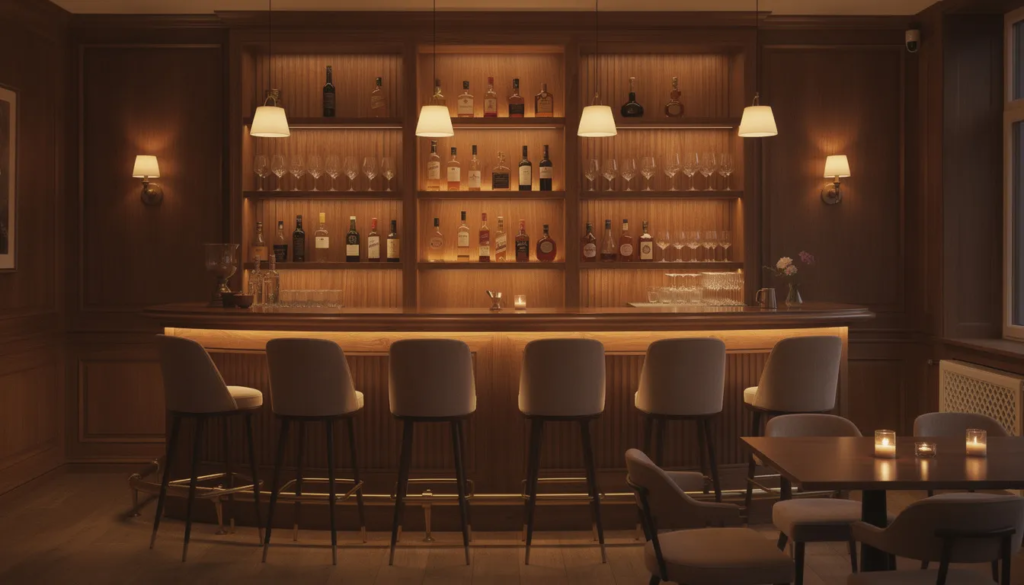
The hospitality world has fundamentally shifted. Travelers no longer want cookie-cutter rooms that look identical whether they’re in Tokyo, Toronto, or Turin. They want character. They want connection. They want to feel like temporary locals rather than anonymous guests shuffling through lobbies designed by committee.
Boutique hotels deliver exactly that—and they’ve transformed from a niche curiosity in the 1980s into one of the most sought-after accommodation categories worldwide. Whether you’re a traveler hunting for your next memorable stay or a hotelier looking to understand what makes these properties tick, this guide covers everything from defining characteristics to the subtle digital touches that enhance the experience without losing soul.
What is a boutique hotel?
A boutique hotel is a small, design-driven property—typically between 10 and 100 rooms—that prioritizes personality, local character, and personalized service over standardized uniformity. These properties often occupy distinctive locations: converted warehouses in urban arts districts, historic townhouses in centuries-old neighborhoods, or secluded retreats where larger chains simply cannot fit.
Boutique hotels typically offer 10–150 rooms with distinct décor that reflects local character.
The term “boutique” itself draws from retail, evoking the intimacy of a small shop where the owner knows your name and curates every item on the shelves. Applied to hotels, this translates to spaces where staff anticipate guest needs, design choices tell a story, and every corner feels intentionally crafted rather than mass-produced.
Defining Features of Boutique Hotels
Boutique hotels typically offer 10–150 rooms with distinct décor that reflects local character. They are frequently situated in prime locations in city centers or trendy neighborhoods, and most are independently or family-owned, allowing for creative freedom without corporate guidelines. The design, decor, and cuisine often reflect the local area, featuring partnerships with local creatives. Boutique hotels provide personalized service, often remembering guest preferences and offering tailored recommendations. They often create an intimate atmosphere, offering a cozy environment that contrasts with large-scale corporate chains. Many prioritize eco-friendly practices, sourcing farm-to-table food and using sustainable local products. Boutique hotels may offer value-added perks like complimentary breakfast and specialized, locally-tailored experiences. They support the local economy by partnering with nearby businesses, artists, and artisans.
How boutique hotels differ from chains
Large hotel chains rely on consistency. A guest booking a major brand in Miami expects the same bedding, amenities, and service script they’d find in Munich. Boutique hotels reject this approach entirely. They embrace idiosyncrasy—unique layouts, locally sourced art, partnerships with neighborhood businesses, and staff empowered to deliver personalized recommendations rather than reading from a manual.
Consider a 28-room Art Deco property in Miami Beach versus a 500-room resort down the street. The boutique property might feature hand-selected vintage furniture, a lobby bar serving cocktails developed with a local distillery, and a concierge who knows which gallery openings are worth attending that week. The chain resort offers predictability. The boutique hotel offers discovery.
Concrete examples across cities
In London’s Shoreditch neighborhood, a 40-room hotel occupies a converted Victorian warehouse, with exposed brick walls and industrial steel fixtures that reference the building’s history. In New York’s Murray Hill, Morgans Hotel—widely credited as the first modern boutique hotel when it opened in 1984—established the template of intimate scale combined with trendy design. Similar properties now populate neighborhoods from Le Marais in Paris to Shibuya in Tokyo, each adapting the boutique formula to local culture.
These hotels thrive on atmosphere. Guest communication happens through subtle, thoughtful touches: handwritten welcome notes, curated neighborhood guides, and increasingly, digital displays that share daily events or local tips without cluttering the front desk with paper signage. Tools like Split-Flap TV—which brings the nostalgic aesthetic of 1960s train station departure boards to modern screens—fit naturally into lobbies that blend vintage charm with contemporary functionality.
Key characteristics of boutique hotels
Understanding what makes a hotel “boutique” today requires looking beyond room count to examine design philosophy, service approach, and connection to place. Here’s a structured overview of the defining traits.
Intimate scale and distinctive locations
Most boutique hotels feature between 10 and 60 rooms, with the majority staying under 100. This scale allows staff to recognize returning guests, remember preferences, and deliver the kind of attentive service impossible in properties managing thousands of check-ins daily.
Location choices matter just as much. Boutique properties cluster in vibrant urban neighborhoods—SoHo in New York City, Le Marais in Paris, Shibuya in Tokyo—where they can embed guests directly in local culture. Others occupy repurposed structures: former banks with original vault doors, warehouses with soaring ceilings, or Victorian townhouses with period details intact. These buildings provide singular beauty that new construction rarely matches.
Design-led interiors
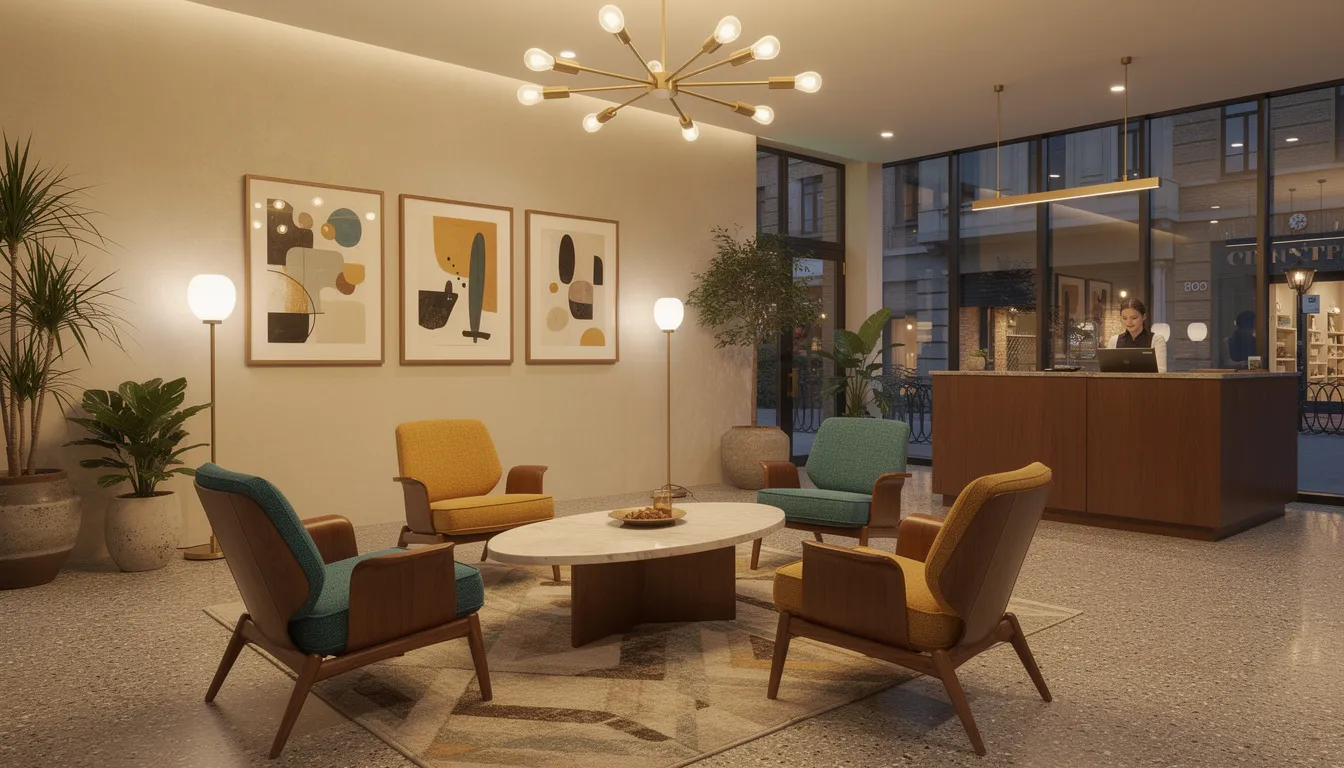
Design is the brand in a boutique hotel. Rather than following corporate guidelines dictating identical furniture across 3,000 properties, boutique hotels invest in bespoke pieces, locally sourced art, and distinctive style palettes. A property might commit fully to mid-century modern aesthetics, industrial loft vibes, or Scandinavian minimalism—but the commitment is total and intentional.
Individual rooms often feature unique layouts and decor rather than identical configurations repeated across floors. Hand-thrown ceramics from local studios, reclaimed wood headboards, terrazzo floors with custom patterns, and vintage pieces sourced from regional antique dealers create spaces that feel curated rather than catalogued.
Personalized service
Staff at boutique hotels operate differently than their chain counterparts. With fewer guests to manage, they can remember that a returning visitor prefers a corner room, takes coffee black, and appreciates restaurant recommendations that aren’t in guidebooks.
Handwritten welcome notes appear on pillows. Front desk teams maintain daily-updated guides to neighborhood events—the pop-up market happening Saturday morning, the gallery opening Thursday night, the jazz club with no cover before 8 PM. This level of attention transforms guests from anonymous room numbers into recognized visitors.
Strong sense of place
Boutique hotels embed local culture throughout the property. Breakfast menus feature regional produce from specific farms. Lobby coffee bars partner with neighborhood roasters, often featuring their single-origin selections by name. Restaurant menus collaborate with nearby fishmongers, bakers, or specialty grocers.
Partnerships extend beyond food. A boutique hotel might offer discounted tickets to a local jazz club, feature rotating exhibitions by artists from the neighborhood, or stock rooms with hardcover guides written by local authors. The goal is making guests feel like temporary locals—connected to the community rather than isolated in a generic hospitality bubble.
Thoughtful technology choices
Tech in boutique hotels stays “invisible,” supporting the guest experience without dominating it. Keyless entry via smartphone apps eliminates fumbling with plastic cards. In-room tablets control lighting, climate, and room service ordering. Smart thermostats learn preferences throughout a stay.
In public areas, boutique properties increasingly use tasteful digital displays to communicate events, menus, and local information—but these must match the aesthetic. Digital signage solutions like Split-Flap TV offer customizable templates and content, allowing hotels to tailor information to their brand and guest needs. Digital signage also enhances the guest experience in boutique hotels by providing real-time information and engaging content, helping improve hotel operations with real-time updates that keep guests informed and staff aligned. A corporate-looking LED screen flashing promotions clashes with carefully curated interiors. Solutions like Split-Flap TV, which displays information using the nostalgic flipping-letter animation of vintage departure boards, align with properties that mix analog charm and modern efficiency.
History and evolution of boutique hotels
The boutique hotel concept emerged as a deliberate rebellion against hospitality homogenization. Understanding this history helps explain why these properties operate as they do today—and where the category is heading.
The early boutique era (1980s)
Credit for pioneering the modern boutique hotel typically goes to Morgans Hotel in New York City, which opened in 1984. Located in Murray Hill, Morgans featured an intimate room count, stylish contemporary decor, and service that felt more like a private club than a traditional hotel. The property proved that travelers would pay premium rates for personality over predictability.
Across the Atlantic, The Blakes in London established similar principles, attracting creative industry guests who wanted accommodations reflecting their own aesthetic sensibilities. These pioneers demonstrated a market segment that major chains had entirely overlooked.
Expansion and lifestyle brands (1990s–2000s)
Through the 1990s and 2000s, design-focused boutique properties proliferated in cities like Berlin, Barcelona, and San Francisco. Independent operators recognized opportunities to convert historic buildings into destination hotels that travelers would specifically seek out.
Major hotel companies noticed. Starwood launched W Hotels in 1998, attempting to capture boutique energy within a chain framework—lifestyle brands with design-forward lobbies, DJ-curated music, and younger target demographics. These properties occupied an interesting middle ground: boutique aesthetics backed by corporate resources and loyalty program integration.
The Instagram boom (2010s)
The 2010s brought explosive growth to boutique hotels, driven by two factors: online booking platforms that gave small properties distribution access previously reserved for chains, and Instagram culture that rewarded photogenic interiors.
Suddenly, a 22-room property in Lisbon with vibrant murals and a vintage-inspired lobby could reach millions of potential guests through social media. Hotels invested in “Instagram moments”—statement staircases, neon signs, curated libraries, and distinctive design elements that guests would photograph and share. Visual appeal became a marketing channel.
Post-2020 shifts
The pandemic years reshaped boutique hospitality in lasting ways. Slower travel, work-from-anywhere arrangements, and heightened health awareness changed what guests needed from hotels.
Boutique properties adapted. Co-working corners appeared in lobbies. Flexible layouts allowed rooms to function as offices during the day. “Living room” common areas encouraged longer stays rather than quick overnights. Contactless technology accelerated: mobile check-in, digital concierges, and QR-code menus became standard.
Digital signage also evolved. Properties needed ways to communicate changing protocols, daily events, wellness class schedules, and bar specials without printing new materials daily. Modern digital signage solutions, like Split-Flap TV boards, feature an intuitive interface, making it easy for staff to update content quickly and efficiently. Easy content management features in digital signage solutions include user-friendly interfaces, drag-and-drop functionality, and customizable templates. Split-Flap TV boards emerged as a solution matching boutique aesthetics—nostalgic display technology delivering real time content updates through a content management system accessible from any browser or phone.
Why travelers choose boutique hotels
Boutique hotels attract guests seeking more than a place to sleep. They offer experiences that chain properties—despite larger amenities budgets—rarely match. Here’s why travelers increasingly filter for “boutique” when booking.
Related reading: Bed & Breakfast: Real B&B Stays, Real Morning Experiences
Character over conformity
The emotional appeal of boutique hotels centers on discovery. Walking into a property feels like entering someone’s curated world rather than a replicated formula. Guests encounter unexpected details: a lobby library stocked with books by local authors, vintage travel posters sourced from nearby flea markets, or a cocktail menu developed in partnership with a neighborhood distillery.
This sense of discovery makes stays memorable. Travelers share stories about specific hotels—the rooftop in Barcelona with the unexpected city view, the converted warehouse in Portland with the artist-designed guest rooms—in ways they rarely discuss chain properties.
Connection to community
Boutique hotels function as neighborhood access points. A guest in Lisbon might receive a map hand-drawn by the owner marking favorite bakeries, hidden viewpoints, and which tram lines to avoid. A property in New Orleans might provide passwords for that night’s speakeasy pop-up. These connections transform tourists into temporary locals.
Partnerships extend the experience further. Guests receive discounts at the coffee shop two blocks away, priority reservations at the chef’s table around the corner, or tickets to a jazz club where the hotel staff actually knows the performers. This community integration simply doesn’t exist at scale-focused chains.
Culture and sense of place
Strong design reflects location. A boutique hotel in Copenhagen features ceramics from a local studio. A property in a 1920s Chicago building preserves original architectural details while adding contemporary art that references the city’s history. A coastal retreat incorporates salvaged maritime elements and showcases regional artists.
This cultural immersion extends to programming. Hotels offer walking tours led by local historians, cooking classes featuring regional cuisine, or access to gallery openings and community events. Guests leave understanding their destination rather than simply having visited it.
Practical advantages
Beyond emotional appeal, boutique hotels offer tangible benefits. Room rates often compete favorably with luxury chains, particularly when comparing actual experience delivered rather than just star ratings. Bespoke breakfasts featuring locally sourced ingredients replace generic buffet lines. Flexible check-in and check-out policies accommodate individual needs rather than rigid schedules.
For remote workers—an increasingly important segment—boutique properties provide high-quality Wi-Fi, comfortable work spaces, and the stimulation of distinctive environments over bland business hotel rooms.
Subtle digital touches
The best boutique hotels enhance charm through thoughtful technology rather than intrusive screens. A retro-styled Split-Flap TV board in the lobby might display weather forecasts, train departure times for the nearby station, rotating welcome messages, and images—all in a format that visitors and guests alike find both functional and photogenic. Digital signage solutions like Split-Flap TV allow users to display images and other content types, making it easy to publish updates. Users can easily display content and publish updates with digital signage solutions that feature support for multiple file types. These touches demonstrate operational thoughtfulness without sacrificing aesthetic integrity.
Design, atmosphere, and technology in boutique hotels
The relationship between physical space, sensory experience, and technology defines how boutique hotels feel. Digital signage systems in these environments are made up of various components, including hardware like display devices and mounting systems, as well as software components such as digital signage templates and management tools, all working together to deliver engaging content. These systems can also be networked, enabling centralized management and remote updates—an especially valuable feature for boutique hotels seeking efficient and cohesive communication across their property. This section explores how these elements work together to create memorable stays.
Interior design as identity
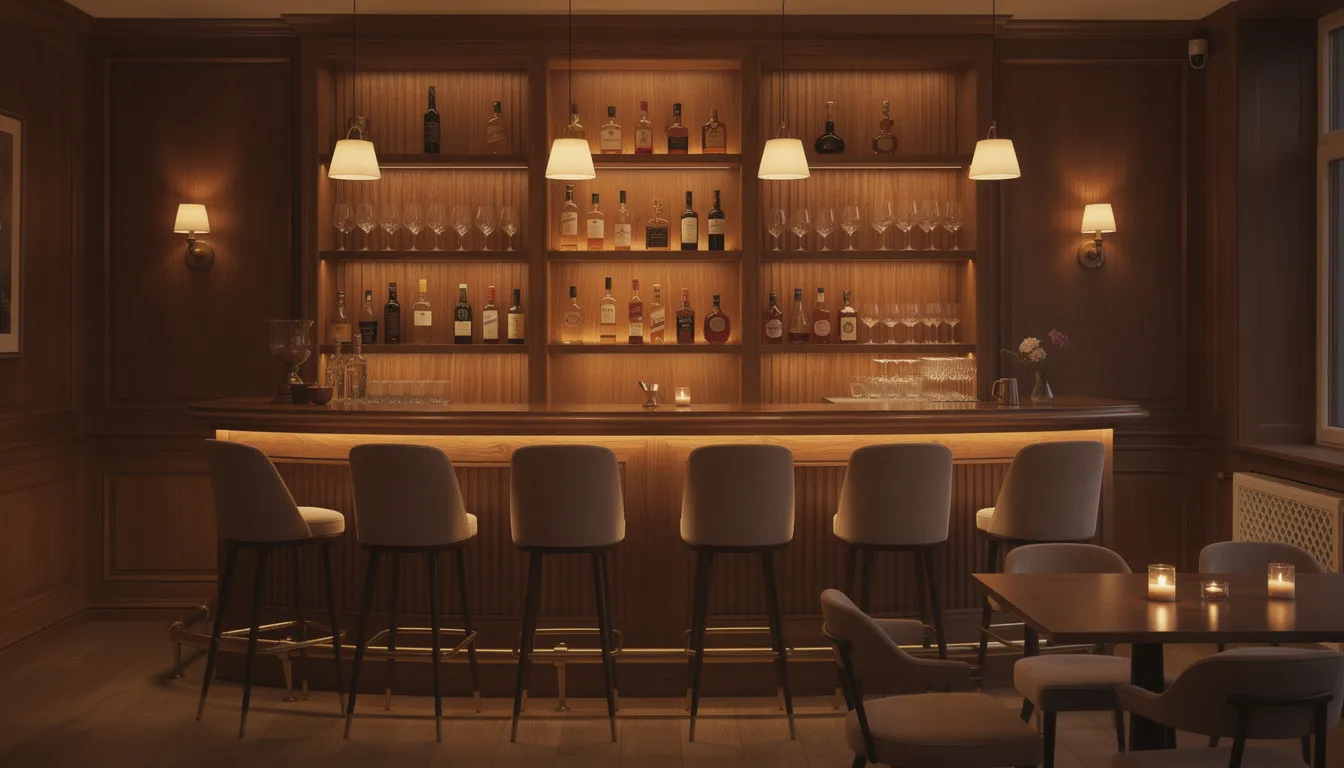
In boutique hospitality, design isn’t decoration—it’s the business strategy. Every element communicates intentionality: the reclaimed wood bar salvaged from a demolished factory, terrazzo floors with custom aggregate patterns, hand-thrown ceramics from a specific Copenhagen studio that guests can visit, or custom lighting fixtures designed for a 1920s Chicago building restoration.
The physical space tells the hotel’s story before staff say a word. A property might embrace industrial loft aesthetics entirely, exposing ductwork and concrete while adding vintage furniture that softens the rawness. Another commits to Scandinavian minimalism with clean lines, natural materials, and deliberately restrained color palettes.
This design commitment creates differentiation that chains cannot replicate at scale. Each room might feature unique layouts, different art selections, or distinctive furniture pieces. Guests choosing a specific property access a singular aesthetic experience unavailable elsewhere.
Multisensory atmosphere
Boutique hotels craft experiences beyond visual design. Curated playlists set lobby mood—perhaps vinyl-era jazz in a New Orleans property or contemporary electronic in a Berlin design hotel. Signature scents developed specifically for the property create immediate sensory recognition.
Art installations rotate regularly, with opening events featuring local artists becoming community occasions. Exhibition dates and artist information appear in materials throughout the property—and increasingly on digital displays that can update in real time as programming changes.
In-room experience
Guest rooms balance analog luxuries with modern conveniences. Vinyl record players stocked with curated selections sit alongside smart TVs with streaming access. Hardcover city guides from local publishers share shelf space with QR-code room service menus accessed via phone.
This mix reflects the broader boutique philosophy: embrace technology that improves experience while preserving tactile, human elements that create emotional connection. A guest can stream whatever they want on the television but also discover new music through physical records selected by the hotel’s creative director.
Invisible technology
The best hospitality technology operates without demanding attention. Mobile check-in eliminates front desk queues without removing staff available for recommendations and assistance. Smart thermostats maintain comfort without visible interface clutter. Guest messaging apps handle requests and confirmations without requiring phone calls or lobby visits.
This “invisible” approach extends to operational systems. Staff access property management software from tablets, maintaining eye contact with guests rather than staring at desktop monitors. Content updates to digital displays happen remotely without technicians visiting the property. Digital signage networks enable centralized management and remote updates through cloud-based content management systems (CMS), allowing boutique hotels to schedule and control content efficiently across multiple screens.
Split-Flap TV: nostalgic display for modern hotels
Split-Flap TV specifically addresses boutique hotels’ need for dynamic content that matches their aesthetic while offering affordable split-flap boards that make these displays accessible for independent properties. The software transforms standard screens into digital versions of the split-flap departure boards that populated train stations and airports throughout the 1960s—the satisfying flap-flap-flap of letters rotating into place now animated on 55” displays. The software handles the processing of content to ensure smooth and accurate display, so every message appears crisp and on time. Content management software for digital signage allows users to manage and distribute content to one or more playback devices, making it easy to update information across multiple screens using innovative retro message boards that combine classic style with modern control.
A 22-room boutique hotel in Lisbon might use a Split-Flap TV board to rotate daily surf forecasts, breakfast service hours, and live Fado performance times. The display functions as both practical information delivery and design element—guests photograph the board and share it on social media, extending the property’s brand reach organically.
The format works across locations: behind reception desks, in elevator lobbies, on rooftop bars, or beside restaurant entrances. Each location can run different content playlists while maintaining consistent visual language.
How boutique hotels use digital signage and retro displays
Screens in boutique hotels serve a different purpose than they do in airports or transportation hubs. They must communicate useful information while enhancing rather than detracting from carefully designed spaces. Many boutique hotels use a digital signage network, which enables centralized control and real-time monitoring of displays across the property for seamless management. Digital signage systems can be either networked or standalone, but networked systems offer more advanced content management capabilities, making them ideal for properties seeking comprehensive oversight. Here’s how properties approach this challenge.
Why screens are appearing in boutique lobbies
Small hotel teams cannot print new materials every time events change, menus update, or weather shifts. Traditional approaches—chalkboards, printed cards, verbal communication—work but create operational friction and inconsistent guest information.
Digital signage solves the distribution problem. Update content once in a content management system and it appears instantly on as many screens as needed across the property. Schedule messages to appear at specific times—breakfast hours in the morning, bar specials in the evening, night porter information after midnight. The efficiency gains are substantial.
The aesthetic challenge
Standard digital signage solutions often look aggressively corporate: bright LED screens, generic templates, promotional animations that feel like retail advertising. These clash violently with properties that have invested thousands in curated interiors.
A boutique hotel owner who spent months selecting perfect vintage furniture and commissioning local artists doesn’t want a screen that looks like it belongs in a fast-food restaurant. The display needs to match—or at least not undermine—the overall aesthetic strategy.
Split-Flap TV as solution
Split-Flap TV addresses this gap directly. The software replicates the nostalgic split-flap aesthetic—letters and numbers that appear to physically rotate into place—on modern TV hardware. The look evokes 1960s travel infrastructure: train stations, airport terminals, ferry piers. This retro format aligns naturally with boutique hotels that already mix vintage and contemporary design.
The installation requires minimal hardware investment. Properties use existing smart TVs, small media players like Android TV sticks or Apple TV, or wall-mounted larger displays. Split-Flap TV is truly plug & play—just plug the device into your screen, install the app, and you’re ready to go with seamless integration, bringing retro style back in a revolutionary way for boutique hotel environments. There’s no specialized equipment to purchase—just software that runs on devices the hotel likely already owns. Split Flap displays also create memorable moments for guests through their kinetic motion and distinctive sound, adding a unique sensory experience to the hotel environment and enhancing the overall hotel guest experience.
Content examples for boutique hotels
Properties use Split-Flap TV boards for dynamic content including:
- Welcome messages rotated by guest name for VIP arrivals
- Today’s craft cocktail featured at the bar with rotating selections
- Rooftop yoga schedule with class times and instructor names
- Flight and train snapshots showing departures from nearby airports and stations
- Live Instagram counters displaying follower counts or tagged post totals
- Weather forecasts updating automatically throughout the day
- Date and time in vintage flip-clock format
- Scheduled events like wine tastings at 19:00 or chef’s table dinners every Friday
Integrations and automation
Split-Flap TV connects to real-time data feeds, automatically displaying current weather, time, and date without manual updates. Hoteliers schedule content to shift throughout the day—morning messages about breakfast hours, afternoon notes about spa availability, evening promotions for bar specials.
The system runs on common hardware and requires no IT team to manage. Split-Flap TV and similar digital signage software support various operating systems—including Android, Windows, and Linux—giving boutique hotels the flexibility to choose the hardware and software solution that best suits their needs. Setup happens in minutes through a browser-based dashboard, with a 7-day free trial allowing properties to test before committing. Staff update messages from any computer, tablet, or phone with no design skills required.
Retro charm, modern function
The split-flap format captures attention without demanding it. Guests notice the satisfying visual animation of letters flipping into place—a sensory experience that flat digital text cannot replicate. The nostalgic aesthetic becomes an Instagram moment itself, with visitors photographing boards and sharing them online.
Split-Flap TV is among the world’s most recognized digital signage solutions, trusted by businesses globally for its unique blend of retro style and modern technology, with standout split-flap installations worldwide showcasing its versatility. Split Flap displays can also be customized in size and color to fit specific branding needs, making them ideal for boutique hotels seeking a tailored look.
For boutique hotels, this combination of practical functionality and design-forward appearance solves a real problem. They can deliver real time content updates while maintaining the personality-rich environment that defines their brand.
Implementing Split-Flap TV in a boutique hotel
For hoteliers considering Split-Flap TV, implementation follows a straightforward process requiring minimal technical expertise. Digital signage solutions can also include interactive kiosks, providing additional engagement opportunities for guests. Interactive digital signage allows guests to engage directly with displays, enhancing their experience in boutique hotels. Here’s a practical guide covering each stage.
Step 1: Choose your locations
Identify where digital displays would serve guests best. Common placements include:
- Reception desk backdrop: Welcome messages, check-in/out times, weather
- Elevator lobbies: Daily events, restaurant hours, local tips
- Breakfast area: Menu highlights, chef specials, service hours
- Rooftop bar: Sunset times, cocktail features, DJ schedules
- Hallway outside meeting rooms: Event names, start times, host organizations
Each location can run a different Split-Flap TV playlist tailored to its context. The breakfast area displays morning-appropriate content while the bar screen shifts to evening programming automatically.
Step 2: Select hardware
Split-Flap TV runs on standard display equipment:
- Lobby installations: 43”–55” wall-mounted TVs provide a perfect view for passing guests
- Corridor placements: 32” screens work for narrower spaces
- Bar counters: Tablets or small monitors positioned where customers congregate
The software works on smart TVs (Samsung, LG, Android TV), streaming devices (Amazon Fire TV Stick, Apple TV, Chromecast), and professional media players. Most properties already own compatible hardware—additional purchases rarely prove necessary.
Step 3: Sign up and trial
Start with Split-Flap TV’s 7-day free trial. The signup process takes minutes through the website. Download the app to your chosen device—whether that’s a smart TV’s app store or a connected media player—and link it to your online dashboard.
The connection process requires no technical expertise. If your staff can operate a streaming service, they can install Split-Flap TV.
Step 4: Design your board
The dashboard provides customization options matching boutique hotel branding needs:
- Flap styles: Multiple visual options from classic departure board to modern variations
- Color palettes: Match your property’s brand colors for consistent visual identity
- Content blocks: Create displays for check-in times, events, sunrise/sunset, social media handles, weather, or custom messages
Build playlists that rotate through different content items at intervals you control. A single board might cycle through today’s events, weather forecast, and a welcome message every 30 seconds.
Step 5: Schedule and automate
Scheduling eliminates daily manual updates. Configure weekday versus weekend content automatically—brunch hours on Saturday and Sunday, continental breakfast messaging during the week. Set seasonal messages to appear at appropriate times: Christmas market recommendations in December 2026, beach conditions during summer months.
Time-based shifts ensure relevant content appears when guests need it. Morning displays emphasize breakfast and checkout reminders. Evening programming promotes bar specials and night events.
Step 6: Train staff
Front desk and F&B teams need only brief training. The browser-based dashboard works from any computer, and mobile access allows updates from phones or tablets throughout the property.
Changing a message takes seconds: log in, edit text, save. No designer or IT specialist required. Empower your teams to update content as conditions change—a sold-out dinner service, an unexpected weather shift, a last-minute event addition.
Step 7: Measure impact
Track results to validate the investment. Monitor bar sales on nights when signature cocktails appear on the Split-Flap TV board versus nights without promotion. Count guest engagement by tracking how often people photograph the display and tag your property on social media.
Qualitative feedback matters too. Note whether guests mention the display in reviews or conversation. The distinctive aesthetic often becomes part of how visitors describe and remember your property.
Setup time: under an hour from trial signup to content displaying on screen. For properties without large IT teams, this simplicity proves essential.
Case-style scenarios: boutique hotels using Split-Flap TV
These fictional but realistic scenarios illustrate how different boutique properties integrate Split-Flap TV into their operations and guest experience. Modern digital signage solutions, like Split-Flap TV, can also incorporate sensors and audience analytics, using IoT technology to tailor content and enhance guest engagement based on real-time data—topics explored in depth on the Split-Flap TV features and ideas blog.
Urban design hotel in Berlin (opened 2021)
A 35-room design hotel in Berlin’s Kreuzberg neighborhood installed a Split-Flap TV board behind the bar. The display rotates through local craft beer selections with brewery names and tasting notes, DJ line-ups for weekend events, and rotating art exhibit information from the gallery space adjacent to the lobby.
Staff update content daily from a laptop at the front desk, adding special event notifications or adjusting beer selections as kegs change. The property reports improved bar revenue on event nights, attributing increased attendance partly to the dynamic promotion the board provides.
Hardware: existing 48” TV behind bar, Split-Flap TV software subscription. No additional equipment purchased.
Coastal boutique in Brighton, UK
A 24-room seaside property uses a Split-Flap TV screen in the lobby to connect guests with local beach culture. The display shows daily tide times, surf conditions pulled from real time content feeds, breakfast service hours, and late check-out offers for extended stays.
The visual design references the Victorian pier aesthetic—the split-flap format evokes the departure boards of the city’s historic train station, connecting the hotel’s brand with local heritage. Guests frequently photograph the display, tagging the property and extending its social media reach organically.
Hardware: 43” wall-mounted TV in lobby, Apple TV streaming device, Split-Flap TV software.
Mountain retreat in Aspen, Colorado
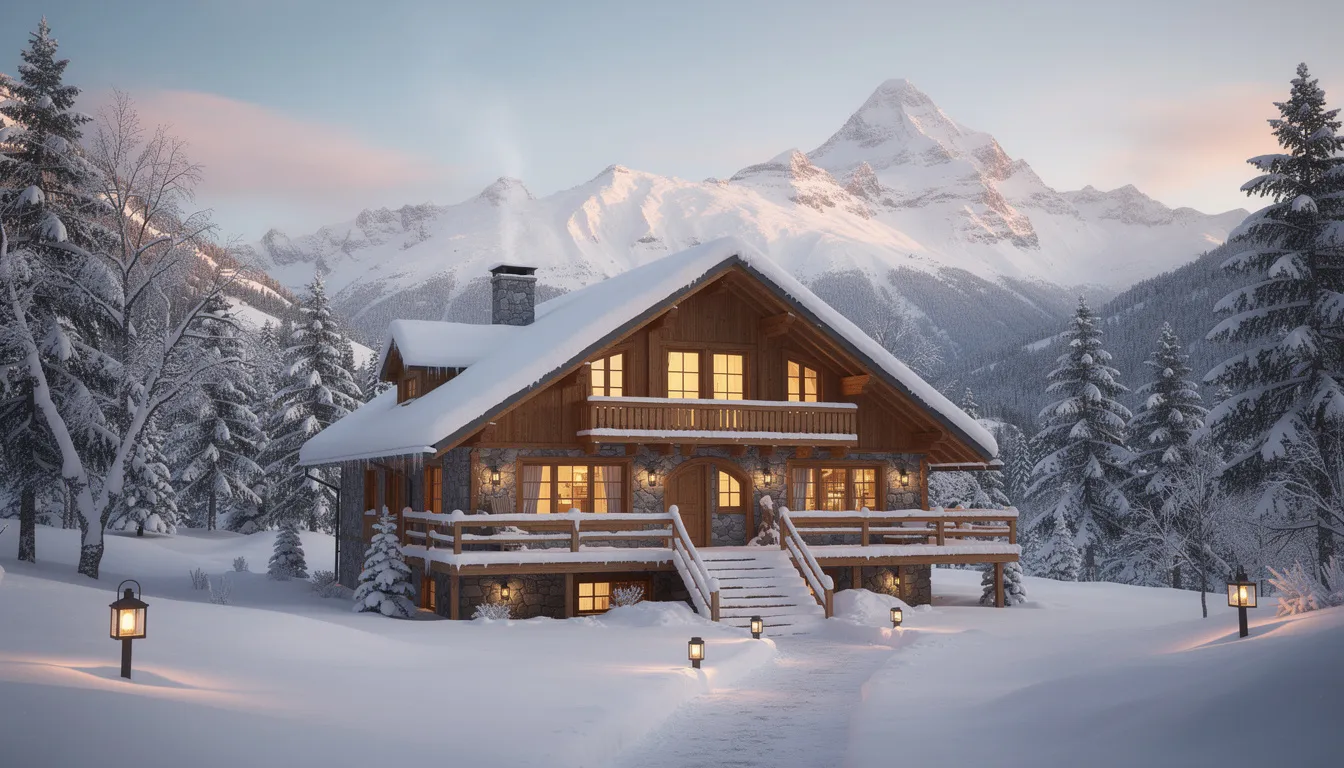
A 28-room mountain lodge positions a Split-Flap TV board near the main fireplace in the great room. The display shows live weather conditions, ski shuttle departure times, spa appointment reminders, and a social media counter tracking posts tagged with the property’s hashtag.
The rustic frame holding the 40” screen was custom-built to match the lodge’s timber aesthetic. Content shifts seasonally: winter displays emphasize ski conditions and après-ski events, while summer programming highlights hiking trails and outdoor dining.
Hardware: 40” TV in custom frame, Android TV device, Split-Flap TV software.
Historic townhouse hotel in New Orleans
A 40-room property in a converted 1890s townhouse uses a Split-Flap TV in an ornate frame above the concierge desk. The display lists nightly jazz recommendations with venue names and set times, speakeasy passwords for partner bars, and real-time updates when popular events sell out.
The concierge team updates content throughout the day from a tablet kept at the desk. The vintage aesthetic of the split-flap format complements the property’s historic architecture while delivering the practical, up-to-the-minute information that distinguishes boutique service.
Hardware: 40” TV in decorative frame, existing media player, Split-Flap TV software.
Choosing and booking a boutique hotel
Whether you’re a traveler seeking your next distinctive stay or evaluating properties as a hospitality professional, certain signals distinguish genuine boutique hotels from chains masquerading under the label.
Look beyond star ratings
Traditional rating systems rarely capture what makes boutique hotels special. Filter search results using terms like “design hotel,” “boutique,” “heritage,” or “independent” to surface properties prioritizing personality over standardization.
On booking platforms, examine photos carefully. Authentic boutique hotels show unique common areas, distinctive room designs, and evidence of local character. Stock photography of generic rooms suggests a property borrowing boutique terminology without embodying the philosophy.
Verify authenticity signals
Genuine boutique hotels demonstrate their values through details:
- Unique room photos: Different layouts, furniture, and art across room categories
- Local partnerships: Mentions of specific restaurants, galleries, or experiences
- Design credits: References to architects, designers, or artists involved in the property
- Neighborhood context: Content explaining the surrounding area and how to engage with it
Avoid properties whose marketing could describe any city. Real boutique hotels cannot resist sharing specifics about their location.
Read recent reviews strategically
Focus on reviews from the last 12 months for accurate service assessment. Pay attention to mentions of:
- Service consistency: Do staff remember preferences? Offer personalized recommendations?
- Wi-Fi quality: Critical for remote workers increasingly choosing boutique properties
- Noise levels: Historic buildings in urban areas may have sound transfer issues worth noting
- Operational communication: How well does the property inform guests about events, services, and local information?
Notice communication quality
Thoughtful communication signals operational excellence. From pre-arrival emails confirming preferences to on-property signage sharing events and local tips, well-run boutique hotels invest in keeping guests informed without overwhelming them.
Tasteful digital displays—like Split-Flap TV boards showing weather, events, and welcome messages—indicate a property that thinks carefully about guest experience at every touchpoint. These details distinguish organizations that understand boutique hospitality from those simply claiming the label.
For hotel owners: stand out without losing your style
If you operate a boutique property, the principles above suggest how travelers evaluate you. Character, community, and communication form the foundation of guest perception.
Tools like Split-Flap TV help you deliver on communication while reinforcing your design sensibility. The retro aesthetic aligns with properties that value history and craftsmanship. The practical functionality—scheduling, real-time updates, remote management—solves operational challenges without requiring large IT investments.
Start with a 7-day free trial to see how the display format fits your space. The software runs on hardware you likely already own, installs in minutes, and requires no specialized training for your team.
Boutique hotels succeed by rejecting standardization in favor of character. They embed guests in local community. They communicate thoughtfully at every touchpoint. Whether you’re seeking your next memorable stay or operating a property that deserves recognition, understanding these principles helps you identify—and deliver—the distinctive experiences that define this growing industry segment.
Sustainability and responsibility in boutique hotels
Boutique hotels are orchestrating a profound reimagining of responsible travel—weaving sustainability and social consciousness into the very soul of their operations with an artisan’s precision and a storyteller’s heart. Today’s discerning guests crave experiences that transcend mere aesthetic beauty—they seek destinations where their presence nurtures both environmental harmony and authentic community connection. This is how boutique hotels are claiming their spotlight in the movement toward hospitality that feels both luxuriously intentional and meaningfully transformative—creating spaces where every detail whispers a commitment to something larger than profit.
Eco-friendly design and materials
Sustainability begins with something deeply foundational—the very bones of a building that breathe with purpose and intention. Boutique hotels are embracing materials that tell stories of renewal and care: reclaimed wood beams that carry whispers of their past lives, low-VOC paints that let spaces truly breathe, and energy-efficient lighting that creates those perfect moments of warmth without demanding the earth’s resources in return. Many properties are taking this love affair with the environment even further—installing green roofs that feel like living crowns, solar panels that drink in sunlight with quiet satisfaction, and rainwater harvesting systems that work their magic behind the scenes, all while maintaining that effortless elegance that makes modern design sing.
But here’s where sustainability becomes truly personal—it’s not just about what you build, it’s about how you connect. When hotels embrace free digital signage software and weave digital displays throughout their spaces, something beautiful happens: the endless cycle of paper waste simply melts away, especially when using Split-Flap TV for business signage in lobbies, retail corners, or café-style spaces. Those printed flyers that used to flutter and pile up? Gone. Daily event sheets that felt so temporary? Transformed into dynamic, living displays that share eco-friendly stories, green wisdom, and real-time moments that feel fresh and alive. This isn’t just about reducing clutter—though that’s wonderful too—it’s about creating a genuine showcase of values, all flowing through intuitive software that keeps every message feeling personal, timely, and deeply engaging.
Local sourcing and community impact
Supporting the local community becomes something magical—the very heartbeat of what makes boutique hotels feel alive and meaningful. When you source ingredients from nearby farms, you’re not just filling plates; you’re weaving stories of soil and seasons that guests can actually taste, feel, and fall in love with. Those handmade pieces from local artisans? They transform spaces into living galleries where every texture tells a story, every curve speaks of human hands and creative souls. The collaborations with neighborhood organizations create this beautiful sense of belonging—a feeling that guests don’t just visit a place, but become part of something larger, more connected, more real.
Digital displays become storytellers in this dance of community connection, breathing life into these partnerships in ways that feel both modern and deeply human. Through content management systems, hotels craft and refresh these digital narratives—menus that celebrate local harvests, spotlights on artisan partnerships, real-time invitations to community moments that pulse with the city’s heartbeat. This living system ensures guests stay woven into the neighborhood’s rhythm, whether it’s discovering a weekend pop-up market bursting with local flavors, stumbling upon a new art installation that sparks wonder, or joining an intimate wine tasting where every sip carries the story of nearby vineyards. These digital windows don’t just inform—they create bridges between travelers and the passionate people who make each city beautifully, authentically unique.
Energy efficiency and waste reduction
Reducing energy consumption and minimizing waste create something almost magical — a boutique hotel experience that feels both luxurious and deeply purposeful. These refined properties are embracing LED lighting that bathes spaces in warm, intentional illumination, energy-efficient appliances that work with quiet precision, and smart climate control systems that maintain that perfect, tactile comfort while honoring our connection to the environment. Water-saving fixtures and thoughtfully designed recycling programs transform everyday interactions into meaningful, sustainable moments.
Digital signage and digital signage software amplify these heartfelt efforts — creating an aesthetic, story-driven dialogue with guests about energy-saving practices and sustainability initiatives. Picture this: an elegant digital display in the lobby becomes more than information — it’s an invitation, gently encouraging guests to reuse towels, mindfully turn off lights when stepping away, or participate in recycling programs with genuine enthusiasm. This software-driven approach doesn’t just educate — it creates an emotionally positive experience that draws guests into the hotel’s authentic commitment to sustainability, transforming every stay into something more purposeful, more connected, and beautifully green.
Social responsibility and inclusivity
Boutique hotels are crafting something truly special—spaces where belonging isn’t just a concept, but a lived experience that touches every guest. Through thoughtful hiring that celebrates diversity, heartfelt partnerships with local charities, and facilities designed with genuine care for accessibility, these hotels create an atmosphere where every soul feels not just welcome, but truly seen and valued.
Digital signage in bustling public spaces and transportation hubs becomes something magical—a bridge between hearts and communities, stories and strangers. Hotels harness these glowing displays to weave connections that matter, sharing the rich tapestry of local history, the pulse of artistic expression, and the warmth of community spirit. Whether illuminating a thoughtfully designed accessibility feature, announcing a cultural celebration that brings people together, or honoring a meaningful partnership with a cherished local organization, digital signage transforms mere information into emotional connection—ensuring every guest experiences that rare feeling of being genuinely understood and embraced.
Through weaving sustainability and heartfelt responsibility into the very soul of their operations—and using these modern digital tools to share these deeply held values—boutique hotels are crafting something extraordinary: a new vision of hospitality that feels as authentic and caring as it is beautifully designed.