
Static paper menus and chalkboards served their purpose for decades, but they come with constant headaches—reprinting costs, manual updates, and zero flexibility when you run out of stock. A digital menu board changes that equation entirely, giving you the power to update menus, showcase specials, and drive sales from a single screen.
This guide is designed for restaurant, café, bar, and food truck owners and managers who want to modernize their menu displays, streamline operations, and enhance customer experience.
This guide walks you through everything you need to know about digital menu displays, from choosing the right system to designing content that actually converts.
What is a Digital Menu Board?
A digital menu board is a screen-based menu system that replaces traditional static boards in restaurants, cafés, bars, food trucks, and quick-service venues. It uses TVs or commercial displays connected to software that shows menus, pricing, specials, and dynamic content—all controlled from a dashboard you can access anywhere.
Major quick-service chains like Domino’s, McDonald’s, and Starbucks adopted digital menu boards around 2010 to modernize their ordering process. Since then, the technology has become accessible to small and medium businesses, with options ranging from enterprise systems to affordable cloud-based platforms. Users increasingly find digital menu boards more cost-effective and user-friendly compared to printed menus, as updates can be made instantly and remotely. Nento’s digital menu boards are designed to be cheaper to use than printed menus for most users.
Split-Flap TV offers a unique twist on this concept: digital menu boards with a nostalgic split-flap style reminiscent of 1960s train station departure boards. The retro aesthetic creates instant visual differentiation while delivering all the modern functionality you’d expect.
Key characteristics of digital menu boards:
- Instant content changes without printing or physical replacement
- Support for high-resolution photos, animations, and video loops
- Scheduling capabilities to automate menu transitions throughout the day
- Integration with POS systems for real-time inventory management
- Centralized control across single or multiple locations
- Role-based access so staff can flag sold-out items while managers control pricing
- Influence customers at the point of purchase and improve ambiance; provide a central place to promote products and services; enhance customer engagement with eye-catching images and animations; and display customizable layouts with integrated multimedia capabilities.
Why Switch to Digital Menu Boards?
This section covers the concrete benefits you gain over static paper or backlit menus. The short answer: flexibility, cost savings, and a better customer experience.
With a digital menu, you can change items, prices, and promotions in seconds without reprinting anything. No more rush fees for last-minute menu changes or boxes of outdated printed menus sitting in storage. When ingredient costs fluctuate, you adjust pricing instantly and save time that would otherwise go toward coordinating with a printer. Digital menu boards can also save money and help the environment by reducing the need for printed materials.
The customer experience improves noticeably too. Brighter screens with clear typography help guests decide faster and reduce ordering friction. Research shows that engaging visuals make wait times feel up to 35% shorter—even when actual wait duration stays the same. In fact, 85% of customers report that they respond to menus when making purchase decisions. When you 86 a sold-out item, it disappears from every screen instantly, preventing disappointed customers at the register.
Main reasons to make the switch:
- Flexibility: Update menus across all locations in minutes instead of weeks
- Cost savings: Eliminate recurring print costs (traditional menus can cost $50+ each)
- Faster ordering: Clearer displays reduce questions and keep the line moving
- Real-time inventory: Automatically remove out-of-stock items before customers order
- Sales uplift: Most QSRs report faster order processing and double-digit sales increases when promoting combos digitally
- Modern presentation: Professional visuals that static backlit boards simply can’t match
- Easy updates: Quickly update digital menu boards using editable templates for ease of use
Compared to traditional backlit menu boards, digital screens offer vastly superior update speed, unlimited design options, and lower long-term maintenance. Backlit boards require physical access, printing, and installation labor for every change. Digital boards accomplish the same in seconds and deliver superior performance in terms of reliability and responsiveness.
Key Benefits for Restaurants, Cafés, Bars and Food Trucks
Different venues use digital menu boards in different ways. Here’s what each type of business can expect.
For restaurants and QSRs:
- Upsell add-ons (sides, drinks, desserts) while customers wait in line
- Display dynamic “meal deal” bundles that make combos visually appealing
- Automate day-part menus so breakfast transitions to lunch without staff intervention
- Studies show restaurants can see a 6% average check size increase after implementation
For cafés:
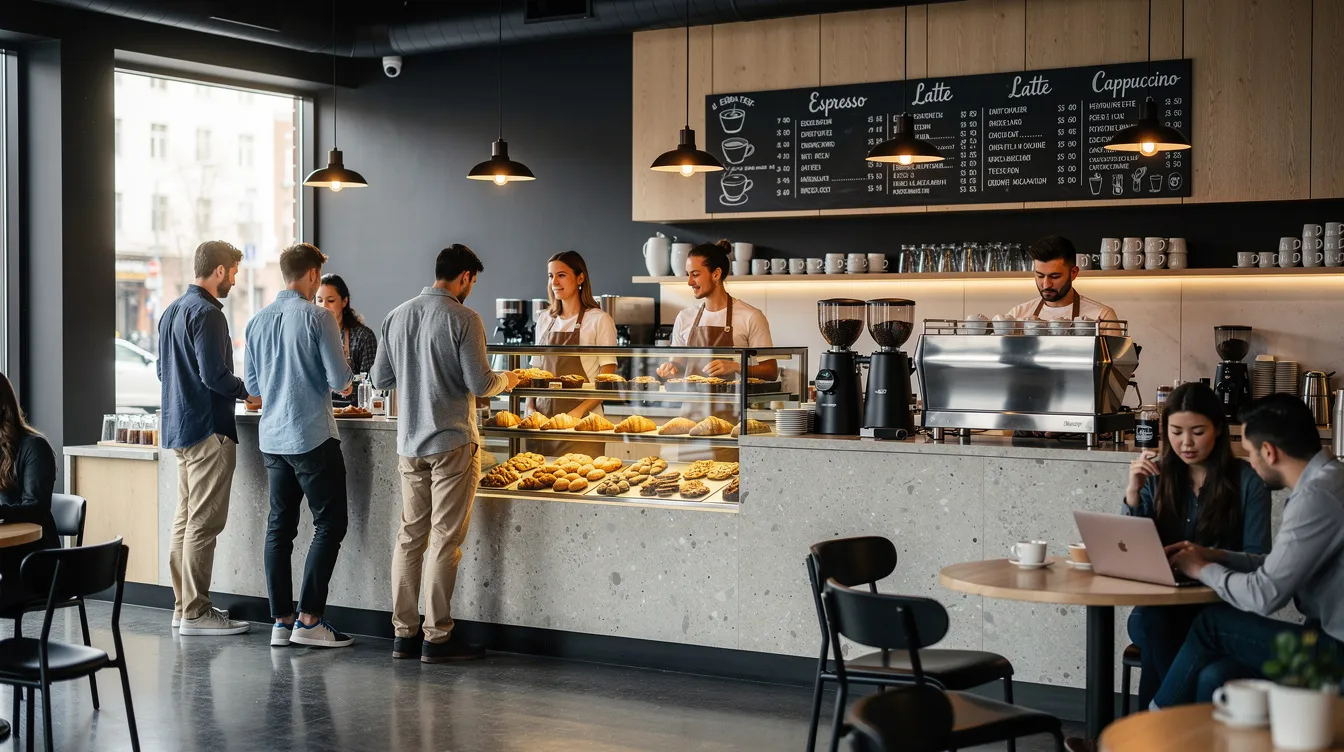
- Showcase rotating coffee blends and seasonal drinks (pumpkin spice in October, peppermint mochas in December)
- Update pastry availability hour-by-hour with “Fresh Batch Ready” callouts
- Schedule iced drink promotions for summer and hot beverages for winter automatically
For bars:
- Display precise happy hour times (e.g., 5–7 PM) that update by day of week
- Feature rotating craft beers, cocktails of the week, and wine specials
- Promote event nights like quiz nights or live music without printing new signage
For food trucks:
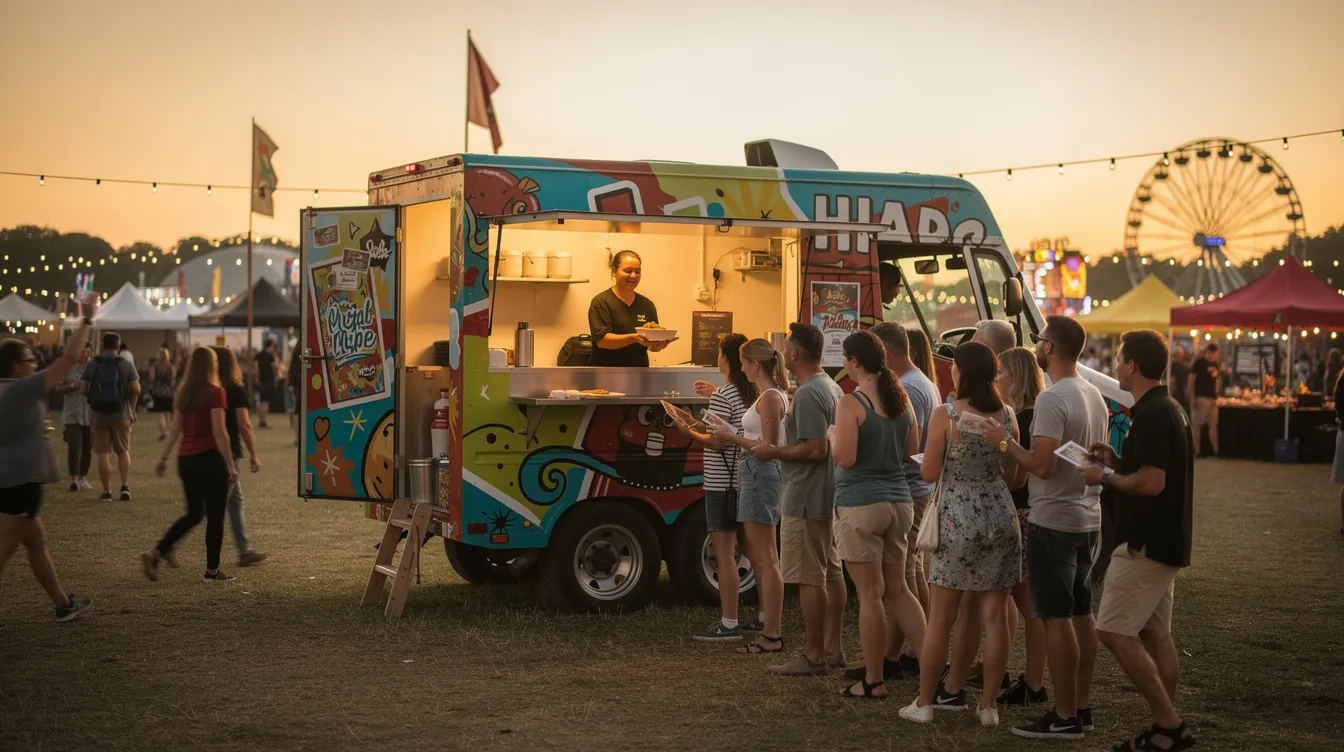
- High visibility outdoors with displays readable in daylight
- Easy price changes by location—festival pricing one day, neighborhood pricing the next
- Adapt menus to local events without redesigning physical signs
Across all venue types, the perceived wait-time reduction matters. Screens showing mouth-watering visuals, queue updates, or trivia content keep people engaged. A 5-minute wait feels shorter when there’s something interesting to look at.
Split-Flap TV’s retro aesthetic for bars, pubs, and cafés is especially eye-catching in smaller venues, speakeasy-style bars, and vintage-themed cafés where the nostalgic design reinforces brand identity.
Features to Look For in a Digital Menu Board System
When choosing digital menu board software and hardware, use this checklist to evaluate your options:
- Menu scheduling: Automatically switch between breakfast, lunch, dinner, and late-night menus by time and day of week. Set it once, and it runs without manual updates.
- Cloud-based management: Update one or many screens remotely from a web dashboard. Essential for multi-location operators who need to ensure brand consistency.
- Template library: Pre-designed layouts for menus, combos, promos, and full-screen announcements. Customize with your brand colors and logos without hiring a designer.
- Multimedia support: Upload product photos, subtle animations, and video loops. Hero items deserve visuals that make customers hungry.
- Real-time data integration: Display current time, date, live weather, Instagram followers, or Google review highlights. These elements add relevance and social proof.
- Device compatibility: Run on common smart TVs, Android TV boxes, Apple TV, tablets, or small media players. Reuse existing screens to stay within budget.
- Role-based access: Staff can flag items as sold-out while managers maintain control over pricing and brand templates. This prevents accidental changes while ensuring ensuring accuracy.
Interactive digital split-flap display boards that combine these features give you the flexibility to adapt quickly and the reliability to run automatically.
How Digital Menu Boards Increase Sales and Reduce Costs
Most business owners care about one thing: ROI. Digital menu boards deliver on both sides—higher sales and lower operating costs.
How they increase sales:
Strategic placement of featured dishes, high-margin sides, and combos on screen nudges customers to spend more per visit. Research indicates digital boards enable cross-selling and upselling 15% more often than static displays. While guests view the main menu, side sections can rotate desserts, seasonal drinks, or loyalty program offers.
Industry data shows a 31.8% increase in sales for venues using digital displays effectively. Many restaurants report double-digit lifts in promoted items and noticeable jumps in average check size after installation.
How they reduce costs:
- Fewer printed menus per year (some venues eliminate print runs entirely)
- No waste when prices change due to ingredient cost fluctuations
- Less staff time spent swapping physical boards
- Reduced ordering errors from clearer menus, which keeps queues moving
Operational efficiency gains:
A 95% agreement rate among restaurant owners surveyed indicates digital menu boards improve overall productivity. Staff spend less time answering questions about menu items and more time serving customers. Peak hours run smoother when the menu display does the heavy lifting.
Environmental benefits matter too. Lower paper use and less transportation for printed materials support sustainability goals—a selling point for environmentally-conscious customers.
Design Tips for High-Converting Digital Menu Boards
Design directly affects readability, ordering speed, and how effectively your board sells. Customers love the design, functionality, and performance of digital menu boards, as seen in the positive feedback for platforms like Nento. Here’s what works:
- Keep layouts simple: Organize items into clear categories (Burgers, Bowls, Sides, Drinks). Limit items per screen to prevent decision paralysis. Consistent alignment and white space make everything easier to read.
- Establish visual hierarchy: Use larger type and stronger contrast for key items and combo deals. Descriptions and fine print get smaller, lower-contrast treatment.
- Use photos strategically: 1–2 strong visuals per category is optimal. Cluttering every item with an image causes visual fatigue. Professional food photography is essential—poor quality images undermine credibility.
- Add dietary indicators: Color coding and icons for vegetarian, vegan, gluten-free, or spicy items enable quick visual scanning without overwhelming the design.
- Prioritize accessibility: Minimum font sizes and strong contrast ratios ensure readability from several meters away. Test displays at actual viewing distances before going live.
- Leverage attention-grabbing elements: The nostalgic split-flap style from Split-Flap TV can emphasize key lines (e.g., “HAPPY HOUR,” “TODAY’S SPECIAL”) with animated flipping transitions that draw the eye without becoming distracting.
Creativity matters, but clarity wins. The best designs guide customers naturally toward high-margin items while making the ordering process feel effortless.
Using Scheduling and Real-Time Content on Your Menu Boards
Smart scheduling is one of the most powerful but underused features of digital menus. Set it up once, and your boards work for you 24/7.
Day-parting automation:
- Show breakfast from 7–10:30 AM, lunch from 11 AM–3 PM, dinner from 5–10 PM
- Add late-night menus on Fridays and Saturdays automatically
- Different pricing for weekday lunch combos vs. weekend pricing
Seasonal campaigns:
- Switch to holiday menus in December without touching a single screen
- Summer drink menus run from June to August
- Game-day offers activate during local sports seasons
Dynamic pricing and specials:
- Monday–Wednesday discounts to drive traffic on slower days
- Happy hour pricing that applies only during specific hours
- Promotional pricing for items with excess inventory
Real-time widgets:
- Live time and local weather keep content feeling current
- Countdowns to happy hour start/end times create urgency
- Social proof: real-time follower counts or average star ratings build trust
Split-Flap TV combines scheduled menus with rotating info panels—weather data, social counters, or “Now boarding table 27” style pickup notifications—using customizable retro message boards. The animated flip-card transitions draw attention while maintaining a sophisticated aesthetic.
Indoor vs. Outdoor Digital Menu Boards
Placement and environment affect both hardware choices and content design. Here’s how to approach each:
Indoor screens:
- Focus on readability at 1–5 meters distance
- Softer brightness levels work well in controlled lighting
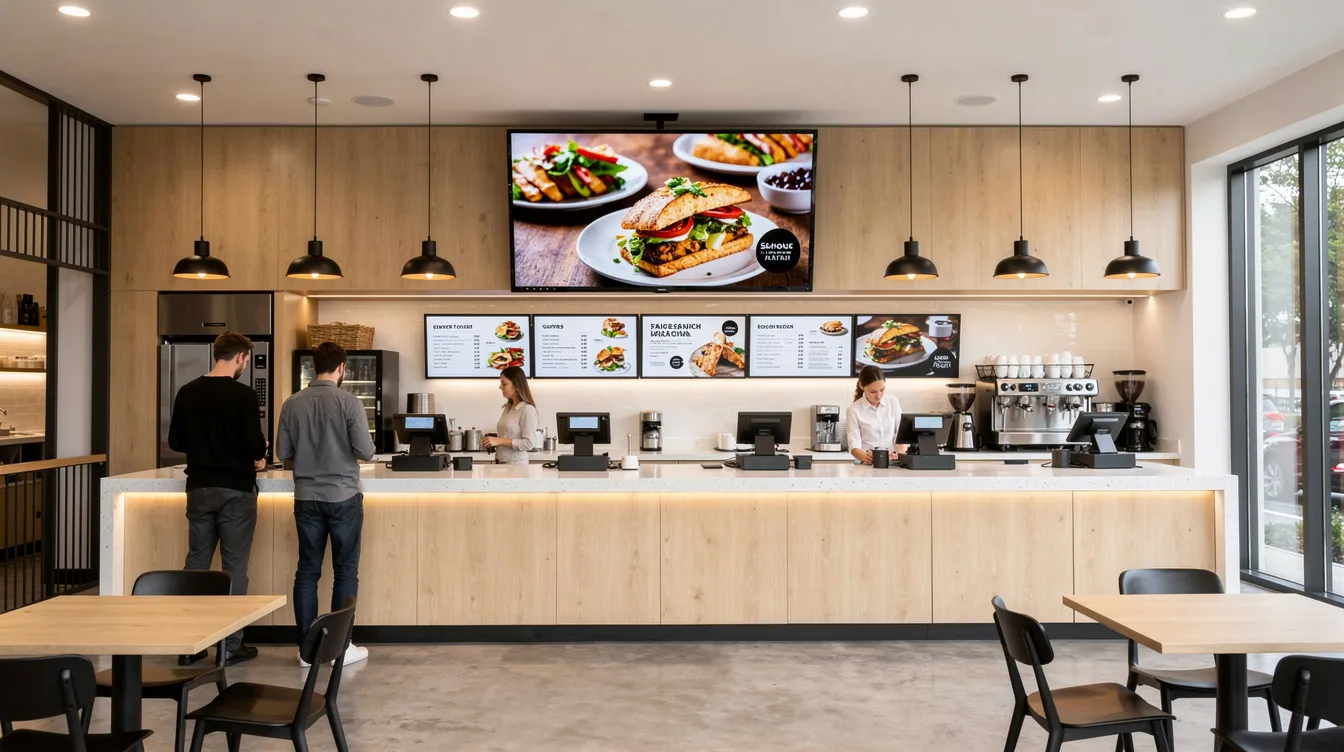
- Ideal placements: above the counter, behind the bar, or at entrance host stands
- Can display more detail including full descriptions, nutritional information, and rotating promotional panels
Outdoor and drive-thru boards:
- Require high-brightness displays visible in direct sunlight (2000+ nits)
- Weather-resistant housings protect against rain, temperature extremes, and UV exposure
- Larger fonts compensate for greater viewing distances and environmental glare
- Content should focus on top sellers and popular combos—fewer items, maximum visibility
Food truck considerations:
- Single outdoor-facing display that works day and night
- Large item names and clearly visible prices are essential
- QR codes link to detailed online menus for customers who want more information
Split-Flap TV runs on common smart displays, so businesses can start indoors and later expand to covered outdoor areas using weather-appropriate TV enclosures, making it ideal for airport, pub, and retail signage. This phased approach lets you test and optimize before larger investments.
Customer Engagement with Digital Menu Boards
Interactive digital menu boards have quietly revolutionized the way restaurants, cafés, bars, and food trucks connect with their customers — transforming what was once static into something alive, something that responds. There’s a certain magic in watching a traditional menu space become dynamic, creating an experience that draws people in from the moment they step through the door.
With digital signage like Split-Flap TV’s retro-inspired displays, you discover this beautiful flexibility — the ability to update menus instantly, showcase those special daily creations, highlight new items that make customers pause and wonder. All from a single dashboard that feels almost like conducting an orchestra. This responsiveness means you can adapt to changes in stock, pricing, or those unexpected customer cravings in real‑time with affordable split-flap boards for small venues, leaving behind the frustration and expense of printed menus and manual updates. For busy food‑truck owners and small‑restaurant dreamers, this ability to update on the fly becomes something deeper — a sense of control, of being able to respond to the moment.
The true power of digital menu boards lies in their ability to make your menu come alive — vibrant visuals that practically glow, engaging videos that tell stories, animated elements that dance across the screen. Research reveals that 85% of customers find themselves influenced by digital menu content when making those crucial “what should I order” decisions, transforming these displays into something more than signage — they become storytellers, salespeople, and dream‑makers all at once. When you feature those mouth‑watering images, short clips of sizzling pans, or behind‑the‑scenes moments from your kitchen, you create something irresistible — a connection that goes beyond hunger.
Digital menu boards also open up these fascinating opportunities to weave your brand’s social media presence directly into the physical space. There’s something delightful about showcasing your latest Instagram posts, YouTube videos, or watching those live subscriber counts climb — it creates a bridge between the digital world and the real one. This integration doesn’t just boost online visibility; it transforms customers into community members, encouraging them to subscribe, share, and engage with your story long after they’ve left. This social weaving helps build something authentic around your brand — turning curious first‑time visitors into loyal advocates who return with friends in tow.
Promotions and limited‑time offers shine particularly bright on digital menu boards, creating that gentle sense of urgency that makes people think “I should try that now.” Whether you’re running a happy hour that feels like a secret club, launching a new menu item that represents weeks of creativity, or clearing out excess stock in a way that feels like discovery rather than desperation — you can update your content in minutes. No waiting for prints, no worrying about yesterday’s special still lingering on tomorrow’s screen.
For businesses looking to truly understand their customers, digital menu boards provide these valuable windows into preferences and behaviors — insights that feel almost like gentle conversations, supported by resources on innovative digital signage. By observing which items capture attention most or testing different approaches to presenting your offerings, you can refine your menu and marketing in ways that feel responsive rather than pushy. It’s about understanding your audience and ensuring your offerings remain relevant and genuinely appealing.
The cost‑effectiveness becomes something beautiful in its simplicity — unlike traditional printed menus, which demand frequent redesigns and reprints that add up quietly over time, digital menu boards allow unlimited changes without extra expense. This makes them particularly meaningful for small businesses and restaurants operating with careful budgets, offering a professional, modern presence that elevates your brand and transforms your venue’s atmosphere into something memorable.
Ultimately, digital menu boards transcend their basic function — they become powerful tools for creating genuine customer engagement, building sales that feel natural rather than forced, and developing a brand presence that stands out in an increasingly crowded marketplace. With the ability to update content fluidly, showcase dynamic visuals that tell your story, and connect with customers both in‑person and across digital spaces, digital menu boards represent something larger — the future of restaurant marketing and a thoughtful investment for any business ready to grow authentically.
Getting Started with a Digital Menu Board (Step-by-Step)
Here’s a simple roadmap from idea to first live screen:
Step 1: Audit existing menus List current menu categories, top sellers, slow movers, and high-margin items that deserve prominent placement. This audit forms the foundation of your digital menu design.
Step 2: Choose your screens Decide if you’ll reuse existing TVs or purchase commercial displays. Consider size (43”, 55”, 65”) based on viewing distance and mounting location.
Step 3: Select software Look for cloud-based management, templates, scheduling, and compatibility with your hardware. Split-Flap TV offers all of this with a 7-day free trial—no commitment required.
Step 4: Design initial layouts Create one main menu screen plus 1–2 promo panels (e.g., “Today’s Specials,” “Happy Hour,” “Desserts”). Use templates to maintain a professional look.
Step 5: Configure scheduling Set time slots for each menu and create a basic week-long schedule. Once configured, the system runs automatically.
Step 6: Test and refine Run the boards for a week while gathering staff and customer feedback. Adjust layout, prices, or featured items based on what you learn.
Step 7: Measure impact Track changes in average ticket size, sales of highlighted items, and perceived wait times. Use these metrics to plan optimizations and grow your system.
Why Choose Split-Flap TV for Your Digital Menu Board
Split-Flap TV is a specialized digital signage solution built for venues seeking nostalgic, eye-catching menu boards that stand out from generic displays, with real-world split-flap installations in cafés, coworking spaces, retail, and more.
The unique split-flap design draws inspiration from 1960s airport and train station departure boards—those iconic flip-card displays from old European terminals. Split-Flap TV recreates this retro aesthetic digitally on modern TVs, giving restaurants, cafés, and bars a distinctive visual identity that customers remember.
Core capabilities:
- Rotating messages, menu categories, price lists, and schedules in one playlist
- Live clocks, weather info, and social media counters (YouTube, Instagram followers)
- Day-part scheduling that runs automatically
- Cross-platform compatibility with smart TVs, Android and Apple devices, and small media players
Subscription tiers that scale:
- Economy: Perfect for single-screen cafés and small bars
- Business: Multi-screen support for growing restaurants
- Cockpit: Enterprise features for multi-location restaurant groups
Most venues don’t need special hardware. If you have a smart TV, you can subscribe and start within minutes.
Start your 7-day free trial today. Connect a TV, install Split-Flap TV, and have a working digital menu board operational within an afternoon. Contact the team if you have questions, share the experience with friends in the industry, and see how nostalgic motion plus smart scheduling can bring new life to your venue.
Whether you run a bar, café, restaurant, or food truck, Split-Flap TV helps you meet modern customer expectations while standing out from every other digital display on the block.