
Best Digital Signage for Small Restaurants
March 21, 2026 · Captain
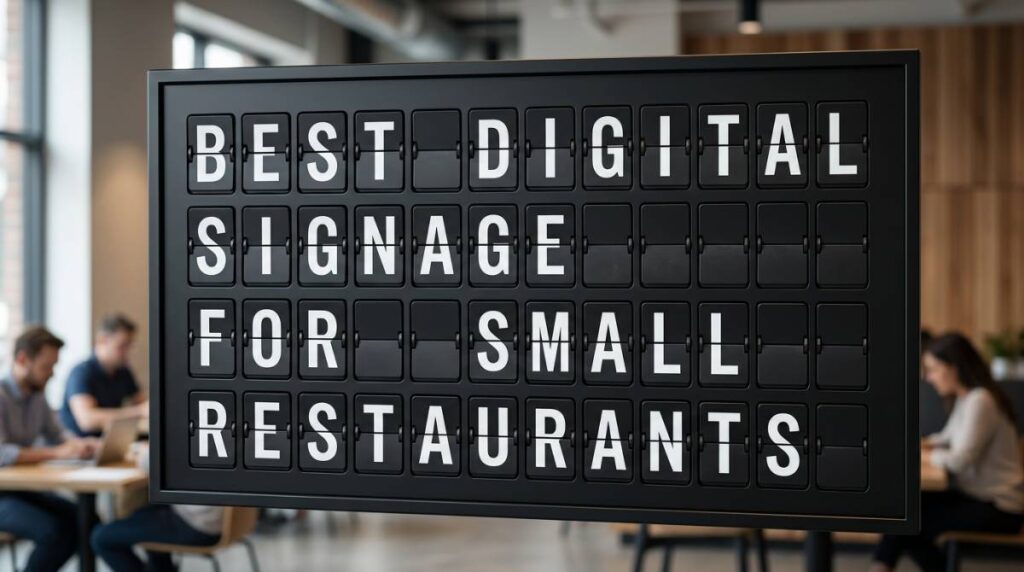
The lunch rush is not the moment to cross out a sold-out item, tape up a new special, and answer the same question about combo options for the tenth time. The best digital signage for small restaurants solves that problem fast. It keeps menus current, specials visible, and service smoother, without turning your dining room into a generic wall of glowing ads.
For a small restaurant, good signage is not just about showing information. It shapes how the space feels. A corner cafe, neighborhood pizza shop, wine bar, or fast-casual counter all need something slightly different. Some need crisp menu communication. Others need atmosphere. The right setup does both.
What makes the best digital signage for small restaurants?
Small restaurants usually do not need a complicated AV system. They need something easy to install, easy to update, and easy to live with during a busy shift. If changing one line on a menu takes too long, the system will get ignored. If the display clashes with the room, it becomes visual noise.
That is why the best digital signage for small restaurants tends to share a few traits. It should be simple to manage from a phone, tablet, or browser. It should handle daypart changes like breakfast to lunch or happy hour to dinner. It should look intentional in the space, not like a spare TV someone mounted in a hurry.
Reliability matters too. Restaurants work on routines. If your soup changes daily, your signage needs to keep up. If your bar runs rotating pours, your display has to update without creating extra work for staff.
Start with the job the screen needs to do
Before choosing a format, think about where signage creates the most value in your restaurant.
For some operators, the main job is menu clarity. A digital menu board behind the counter helps customers order faster and reduces misreads. For others, signage works better near the entrance, where it can highlight house rules, ordering flow, featured items, or upcoming events.
There is also a less obvious use case that matters in small spaces – handling repeat questions. Wi-Fi details, counter pickup instructions, brunch hours, limited items, and seasonal specials can all live on one screen instead of on handwritten notes scattered around the room.
If your restaurant changes often, digital signage earns its keep quickly. If your menu almost never changes, the decision becomes more about presentation and brand experience.
Screen-heavy signage vs. text-led signage
This is where many restaurant owners get stuck. When people hear digital signage, they often picture high-motion screens with bright graphics, photos, and video. That can work, especially in quick-service environments where visual menus drive impulse purchases.
But more visual is not always better.
In smaller restaurants, oversized graphics can overwhelm the room or compete with the food itself. A bakery with a quiet, design-forward interior may not want the energy of a high-flash screen. A cocktail bar may want something more restrained, where the display feels like part of the atmosphere instead of a billboard.
Text-led digital signage is often the stronger fit in those settings. It is cleaner, easier to scan, and more flexible for changing information. It can also feel more premium when the typography, pacing, and layout are handled well.
That is exactly why split-flap style displays have found a place in hospitality. They revive the classic public-display look people remember from old train stations and airport boards, but with modern screen control. The result is digital signage that feels alive without relying on flashy visuals.
Why split-flap style works so well in restaurants
A split-flap display does something standard menu screens rarely do – it creates a moment. The click-clack rhythm, the motion of the letters, the orderly rows, and the retro character draw the eye naturally. It feels familiar, but fresh.
For restaurants, that matters because attention is scarce. Guests glance, skim, and decide quickly. A split-flap style display slows that glance just enough to land the message. Daily specials, service updates, tasting notes, event announcements, and rotating menu items all benefit from that added presence.
It also fits spaces where design matters. Instead of introducing another glossy rectangle, a split-flap-inspired screen adds texture and personality. It can feel nostalgic, editorial, and architectural all at once.
There is a trade-off, and it is worth stating clearly. This style is less visual than modern image-heavy signage. It is mostly built for text communication, not full-color food photography or motion graphics. If your strategy depends on showing detailed product imagery, you may want a more conventional visual menu in some parts of the restaurant.
But if your goal is elegant communication with a distinctive point of view, text-first signage can be the smarter choice.
Best digital signage for small restaurants by use case
The best option depends on how your restaurant operates.
For counter-service restaurants
Speed and clarity come first. You want customers to understand what is available, what is new, and where to look next. A digital display that can rotate featured items, ordering instructions, and time-sensitive offers is useful here. If your menu changes throughout the day, scheduling becomes essential.
A split-flap style board works especially well for specials, pickups, limited runs, or service messaging near the register. It keeps information clear without adding clutter.
For cafes and bakeries
These spaces often benefit from a softer visual touch. Guests are usually close to the counter, so readability matters more than spectacle. A text-led board can highlight fresh bakes, seasonal drinks, or items that just sold out. That alone can save staff from repeating the same updates all morning.
The aesthetic fit is often better too. A well-designed display feels closer to a crafted brand detail than to commercial signage.
For bars and wine-focused concepts
Rotating lists are a natural match for digital signage. Beers on tap, featured pours, cocktail changes, event nights, and house notes are all easier to manage digitally than on printed signs. In dimmer environments, bright image-heavy displays can feel harsh. A restrained split-flap style board keeps the mood intact while still doing real work.
For full-service restaurants
In table-service settings, signage usually plays a supporting role. It may sit near the host stand, bar, or waiting area and handle messaging that helps service flow. Think happy hour times, private event notices, featured dishes, or directional information. Here, the best signage is often the one that feels most integrated into the room.
What to look for before you buy
Ease of updates should be near the top of the list. If a manager can publish a change in seconds, the display stays useful. If updates require too many steps, old information lingers.
Layout control matters too. Restaurants are not all built the same. You may want a narrow vertical screen by the entrance, a landscape screen behind the counter, or a board with specific rows and columns that match your menu structure.
Scheduling is another big one. Breakfast, lunch, dinner, weekend brunch, and late-night service all create content changes. The right system lets you set those shifts in advance instead of manually editing every transition.
Content flexibility is just as important. Even if you start with specials and service notes, your needs will expand. Events, holiday hours, waitlist instructions, and live information feeds can all become useful over time.
And then there is the question of style. This is not superficial. In a small restaurant, every object in the room contributes to the guest experience. Your signage should support the brand, not interrupt it.
A practical fit for operators who want both charm and control
For restaurants that want something more distinctive than a standard digital screen, Split Flap TV offers a particularly strong middle ground. It brings the character of classic split-flap boards to modern TVs and tablets, with app-based control for layouts, messaging, scheduling, and live content. You get the retro click-clack charm and the practical benefit of instant updates, without the maintenance burden of mechanical boards.
That matters for small teams. Buy a screen, download the app, publish your content, and the display starts working like a real communication tool instead of another project waiting for setup.
The real question is not digital or not digital
It is whether your signage helps the room run better and feel better.
The best digital signage for small restaurants is not always the brightest or the most feature-packed. It is the one your staff will actually use, your guests will actually notice, and your space will genuinely benefit from. For some restaurants, that means a conventional menu display. For others, it means a cleaner, more character-rich format that lets words carry more weight.
When signage feels considered, it stops being background equipment. It becomes part of the experience your guests remember after the meal is over.
Related reading: Guide to Restaurant Digital Signage Screens