
The Evolution of Split-Flap Displays: From Train Stations to Digital Screens
March 8, 2026 · Captain
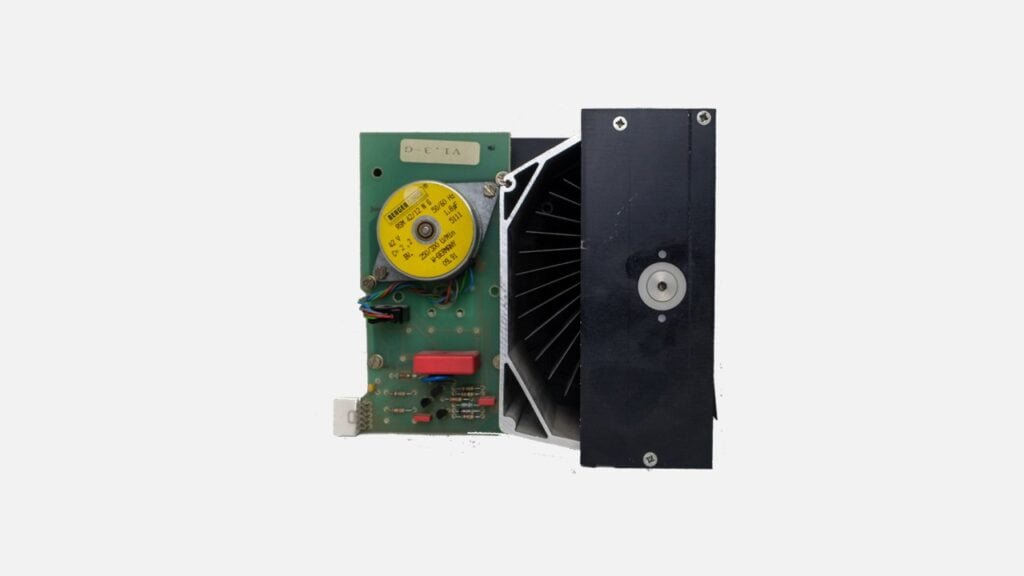
Stand in the center of a bustling transit terminal, and you instantly recognize the sound. A rapid, cascading clatter of dropping cards echoes through the concourse, commanding attention. Hundreds of travelers look up in unison. This is the split-flap display. It is an engineering marvel that defined the golden age of travel and set a global standard for public information design.
For decades, these mechanical boards operated as the central nervous system of airports and train stations. They provided crucial, real-time data with unmatched visual and auditory authority. However, maintaining physical infrastructure requires significant time, capital, and labor. As organizations prioritize efficiency and rapid deployment, the landscape of public displays has shifted fundamentally.
This ultimate guide breaks down the complete trajectory of the split-flap display. We explore the brilliant history of Solari di Udine, examine the complex mechanics driving the original physical boards, and analyze the psychological impact of their iconic sound. Finally, we uncover why transitioning to digital split-flap displays represents the most logical, efficient, and profitable future for modern businesses.
The Legacy of Solari di Udine: Pioneering the Flap
To understand the modern appeal of the split-flap display, you must look at its origins in northeastern Italy. Solari di Udine transformed a simple mechanical concept into a global communication standard. They proved that industrial design could be highly functional, incredibly durable, and aesthetically striking.
Engineering Meets Industrial Design
Solari began as a clockmaking company in 1725, mastering tower clocks for Italian municipalities. Their defining breakthrough occurred in 1956 when brothers Fermo and Remigio Solari patented the modern split-flap electromechanical system. They realized that displaying numbers and letters on rotating, split cards maximized readability from long distances while minimizing the physical footprint of the display.
To perfect the aesthetic, the Solari brothers partnered with acclaimed architect Gino Valle. Valle brought strict typographic discipline to the engineering. He selected the Helvetica font for maximum clarity and designed the housing to look sleek and modern. This collaboration between pure engineering and high-end design earned Solari the prestigious Compasso d’Oro award. It established a standard for user interface design that persists today.
The Golden Age of Travel
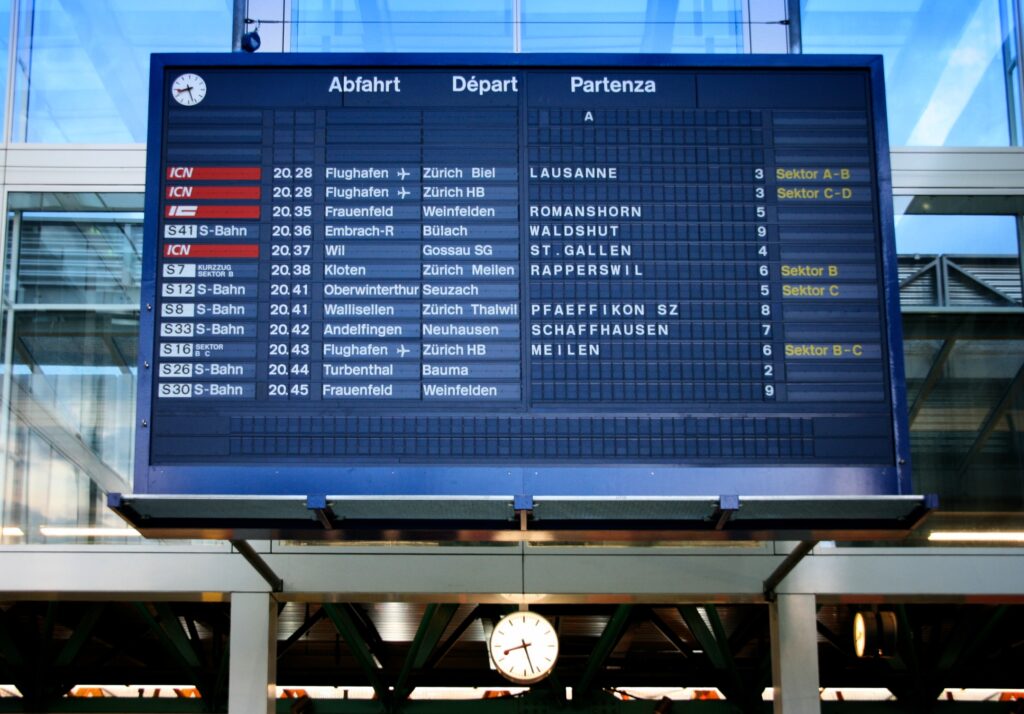
By the 1960s, Solari di Udine dominated the global market. Their massive departure boards became the focal point of iconic transit hubs, including New York’s JFK Airport, London’s Waterloo Station, and Rome’s Termini Station. The displays provided absolute clarity in chaotic environments.
Solari also scaled their technology for consumer use. The Cifra 3, a compact split-flap desk clock designed by Valle, became a staple of modern mid-century design. Its inclusion in the permanent collection of the Museum of Modern Art (MoMA) cemented the split-flap mechanism as a cultural icon, not just a utilitarian tool.
(Read our deep dive into the Complete Solari di Udine Legacy to learn more about the master clockmakers.)
Behind the Board: Understanding Split-Flap Mechanics
The classic split-flap board looks simple from a distance. Up close, it operates as a highly complex, precision-engineered machine. Every character change initiates a flawless synchronization of moving parts, motors, and electrical signals.
The Anatomy of a Flap
A traditional split-flap module relies on a central rotating spindle. Engineers attach dozens of flat cards—or “flaps”—to this spindle. Each card features a split design: the top half displays the upper section of a character, while the bottom half displays the lower section.
When the system triggers an update, a small electric motor engages. The spindle rotates, and a physical catch temporarily holds the top card in place. As tension builds, the card snaps past the catch and falls, revealing the next character in the sequence. Multiply this action by thousands of individual modules, and you get the mesmerizing wave effect that sweeps across a massive departure board.
Precision Engineering and Its Costs
Early split-flap systems used electromechanical relays and mechanical encoders to manage data. The central control system sent analog pulses to each module, dictating exactly how many times the spindle needed to rotate.
This required extreme mechanical precision. A single misaligned gear or degraded motor caused spelling errors, delayed updates, and critical misinformation. Organizations employed dedicated, full-time maintenance crews just to keep the boards operational. Technicians constantly cleaned mechanisms, lubricated gears, and replaced failing motors. While the engineering was brilliant for its time, it created massive operational overhead.
(Curious about the internal wiring and gear ratios? Check out our Comprehensive Guide to Split-Flap Mechanics.)
The Symphony of the Station: The Psychology of the Sound
You cannot separate the split-flap display from its sound. The rapid click-clack-clatter creates a visceral reaction. It commands attention without being an alarm, blending seamlessly into the ambient noise of a busy environment while still cutting through the chaos.
Auditory Anchors and Nostalgia
Sound serves as a powerful psychological trigger. For generations of travelers, the clatter of a split-flap board signals anticipation, movement, and adventure. It triggers a specific auditory anchor associated with the excitement of starting a journey. Even younger demographics, who never relied on mechanical boards, connect the sound to a vintage, romanticized era of travel popularized by film and television.
The sound builds momentum. It tells the brain that new, important information is arriving. When the board clatters, people naturally stop and look. Businesses spend millions trying to capture consumer attention; the split-flap display achieves this organically through purely mechanical acoustics.
Sensory Engagement in a Silent World
Modern environments suffer from digital fatigue. Smooth glass screens, silent updates, and frictionless interfaces dominate our physical spaces. The complete lack of tactile feedback makes modern technology easily ignorable.
The sound of a split-flap display provides vital sensory feedback. It proves that a physical action is happening. This analog engagement stands out brilliantly against the silent, static nature of modern retail and corporate spaces. The clicking commands the eye, forcing engagement through auditory disruption.
The Logical Future: Why Businesses Are Shifting to Digital Split-Flap Displays
Nostalgia and design appeal are powerful tools, but modern businesses require efficiency, speed, and positive return on investment (ROI). Traditional mechanical boards fail to meet these modern operational standards. The transition to digital split-flap displays represents the ultimate synthesis of vintage engagement and modern efficiency.
Eliminating Mechanical Limitations
Physical split-flap boards waste significant time and resources. When a business installs a mechanical board, they accept strict limitations.
First, physical boards lock you into a static character set. If you want to display a new currency symbol, a specific language character, or a custom brand logo, you must physically print and manually install hundreds of new flaps. Second, mechanical boards require constant maintenance. Dust, static electricity, and mechanical friction inevitably destroy moving parts. Repairing these units requires specialized labor and expensive, hard-to-source replacement parts.
Digital split-flap technology eliminates these barriers entirely. By rendering the physical flaps digitally, you remove all moving parts. You eliminate mechanical failure. You eliminate maintenance downtime. Your operational costs drop to zero, allowing your team to focus on growth rather than hardware repair.
Maximizing Efficiency and Engagement
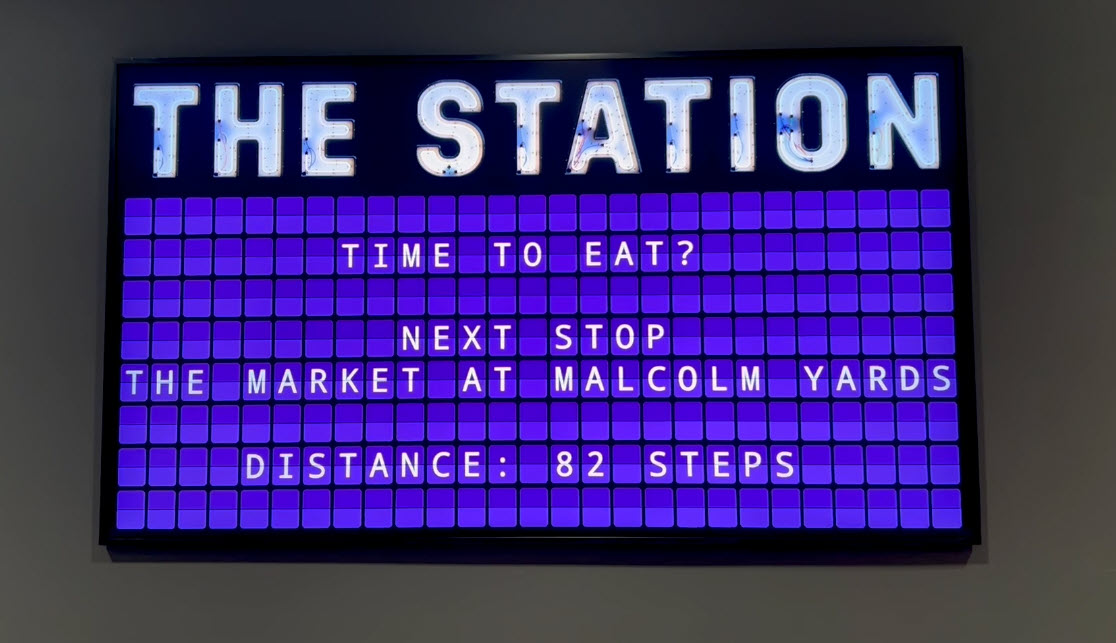
Digital split-flap displays transform a static, limited piece of hardware into a dynamic reporting engine. Modern solutions, like those provided by Split-Flap TV, connect directly to your existing data streams.
You can automate updates instantly. Connect your point-of-sale system, live social media feeds, transit APIs, or internal KPI dashboards directly to the display. When your data changes, the digital board triggers the iconic flipping animation and synchronized sound effect, instantly drawing customer attention to your new messaging.
Furthermore, digital systems offer infinite visual flexibility. You can change the color of the flaps to match a new marketing campaign, integrate full-motion video between flap animations, and update messaging across global locations from a single centralized dashboard.
You capture the exact psychological engagement, the undeniable nostalgia, and the aesthetic brilliance of a 1960s Solari board—without the inefficiency of 1960s technology.
Embrace the Future of Display Technology
The split-flap display evolved from a brilliant piece of mechanical clockwork into the ultimate attention-grabbing tool for the digital age. By understanding its history and mechanics, we appreciate why the design has endured for nearly a century.
However, relying on outdated mechanical hardware leads to inefficiency and operational friction. Forward-thinking organizations recognize that digital split-flap displays offer the perfect competitive advantage. You secure the immense psychological and aesthetic benefits of the classic design while utilizing the speed, automation, and reliability of modern software.
Stop wasting time on static displays that your audience ignores. Transform your space into a dynamic, engaging environment. Integrate live data, automate your messaging, and captivate your audience with the perfect blend of nostalgia and innovation. Start leveraging the power of digital split-flap technology today.