
Antique Menu Board – History, Styles & Collecting Guide
March 12, 2026 · Captain
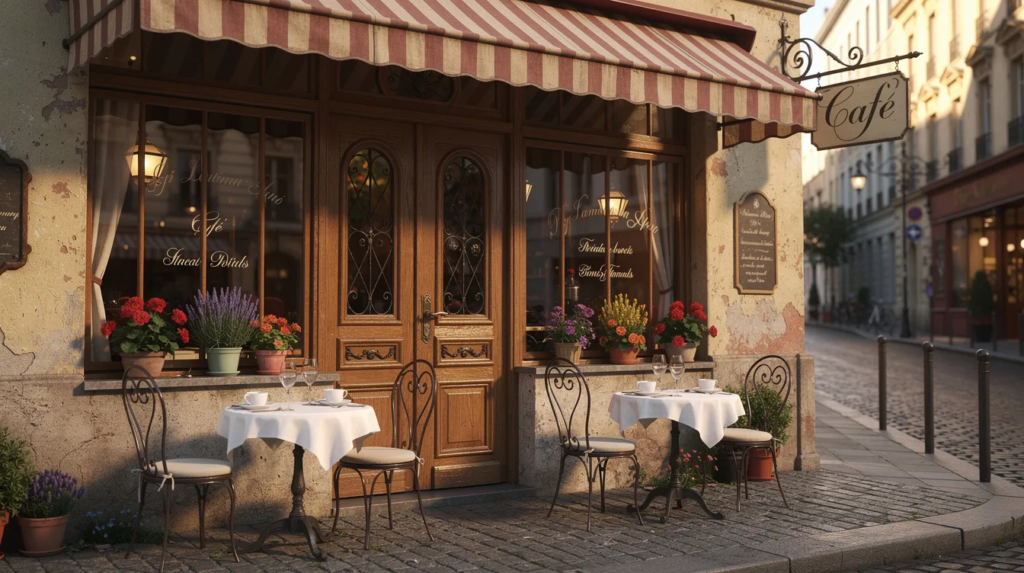
An antique menu board is far more than a list of dishes and prices. These hand-painted, enameled, or printed boards from the late 19th through mid-20th century served as the visual voice of cafés, diners, hotels, and ocean liners—broadcasting daily specials to hungry passersby long before digital screens existed.
Today, collectors and decorators prize these boards for their nostalgic appeal, graphic design heritage, and ability to anchor a room with authentic character. Whether you’re drawn to a 1920s American diner chalkboard listing “Coffee 5¢,” a 1930s French bistro enamel board in cobalt blue, or a 1950s British pub sign offering “Ploughman’s Lunch,” each piece tells a story about how people ate, what they paid, and how establishments presented themselves.
Antique menu boards are valued not only for their decorative appeal but also as historical artifacts that reflect the evolution of restaurant culture, design, and societal norms. They provide insight into past dining practices, the development of graphic styles, and the ways in which restaurants communicated with their patrons over time.
This guide will help you identify, date, and care for antique menu boards while offering practical ideas for displaying them in modern interiors or hospitality venues.
What this article covers:
- Historical timeline from 1880s tavern boards to 1960s drive-in signage
- Common types: wooden, enamel, tin, and early plastic boards
- Regional styles from American diners to French bistros and British pubs
- Materials, lettering techniques, and design features to recognize
- Dating clues and authenticity checks to spot genuine antiques
- Collecting advice with value drivers and price expectations
- Décor ideas for residential and commercial spaces
- Care and conservation best practices
Historical Background & Timeline
The tradition of publicly displaying food offerings stretches back centuries. European taverns and inns used handwritten messages on wooden signs or slate to communicate daily fare long before mass printing became affordable. These functional boards were the precursors to what collectors now seek as antique menu boards.
Beyond their decorative charm, antique menu boards serve as historical artifacts that provide insight into past dining practices and societal norms. They reflect the evolution of restaurant culture and design, capturing the changing tastes, technologies, and social customs of their respective eras.
By the late 19th century, industrial production of slate and factory-made chalkboard paint made durable, reusable writing surfaces accessible to small businesses across Europe and North America. The early 20th century then saw explosive restaurant growth—soda fountains, lunch counters, railroad dining cars, and automats all needed highly legible, quickly changeable displays.
The interwar period (1930s–1950s) represents the golden age of porcelain enamel signs, with beverage companies like Coca-Cola and regional breweries commissioning branded boards for cafés and pubs, even as other public venues experimented with emerging electromechanical split-flap display boards for timetables and announcements. After World War II, new materials like Masonite and early plastics enabled lightweight, modular systems that would eventually evolve into modern fast-food menu technology, a path that ultimately leads to today’s digital split-flap-style menu screens used to update offerings in real time.
Key timeline:
- 1880s–1910s: Hand-lettered wooden boards and slate chalkboards in European cafés, taverns, and American hotels
- 1910–1930: Lunch counter and railroad dining car boards in the United States, often featuring permanent painted lists with chalk spaces for daily specials
- 1930–1950: Porcelain enamel and lithographed tin boards flourish in French brasseries, German beer halls, and British pubs—often carrying brewery or aperitif branding
- 1950–1965: Early plastic letters on Masonite, light-box menus in American drive-ins, and modular changeable-letter systems emerge
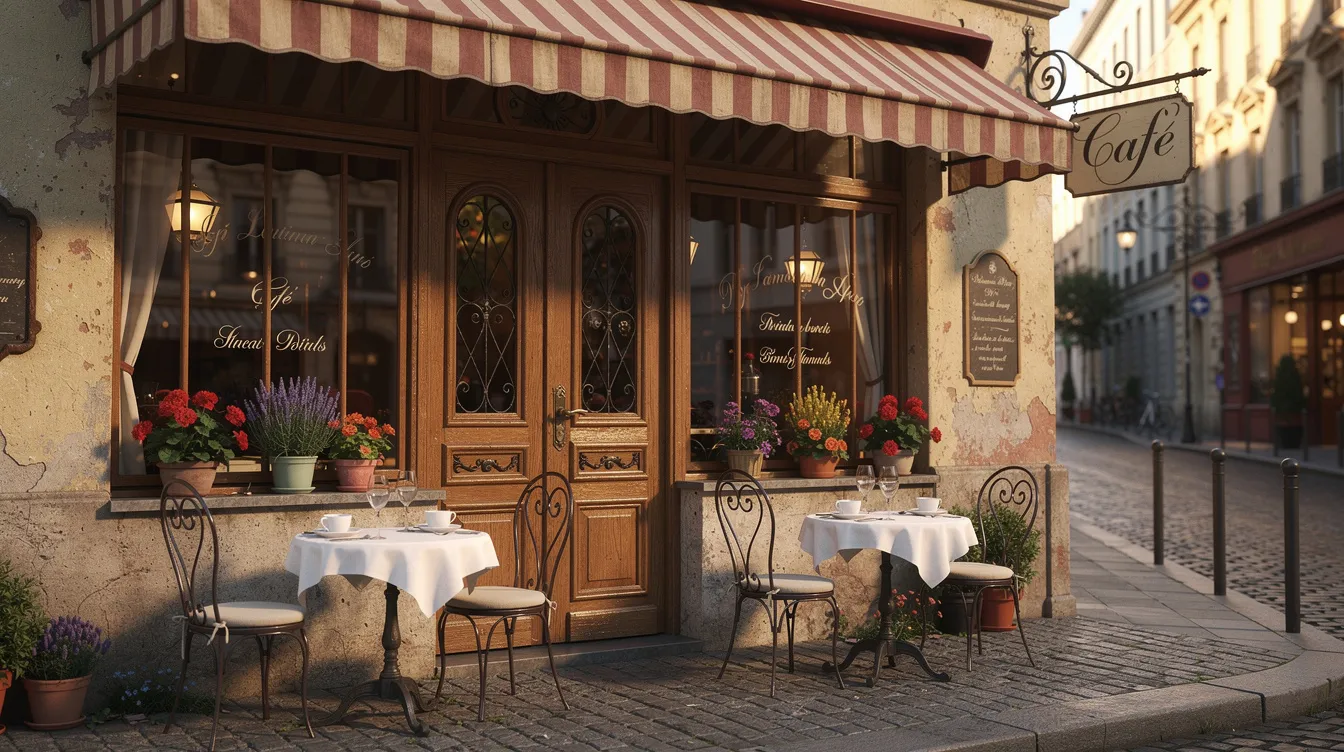
Geographic anchors help illustrate these eras. New York City delis and lunchrooms featured large wall-mounted boards behind counters listing sandwiches and “blue plate specials.” Parisian Left Bank bistros propped chalked boards on sidewalk easels announcing “Potage du Jour.” London West End hotels displayed elegant glass-front cases near dining room entrances. Each location developed distinct visual languages that collectors can still identify today.
Common Types of Antique and Vintage Menu Boards
To be considered ‘antique,’ a menu board typically dates from the late 19th century through the mid-20th century and is characterized by its age, the use of period materials such as painted wood, enamel, or tin, and unique designs that reflect the era in which it was made. Many antique menu boards feature distinctive features such as quirky illustrations or characters intended to attract customers, and their sizes can vary widely depending on their original use.
Understanding the major categories helps narrow your search and authenticate potential finds. Each type reflects the materials, technology, and aesthetic preferences of its era.
- Hand-painted wooden boards (c. 1910–1930): Common in American roadside cafés and European taverns. Typically pine or oak panels painted dark (black, green, or brown) with white or cream lettering. Often list standardized items like “Today’s Special 25¢” or “Ham & Eggs 35¢.” Some feature permanent painted headings with blank lines for chalk prices.
- Framed chalkboards (c. 1920s–1940s): Slate or chalkboard-painted panels with solid wood frames, often oak or painted pine. Popular in tea rooms, schools repurposed for cafés, and smaller eateries. Display ephemeral content that could be erased daily, leaving characteristic ghosting and chalk residue.
- Porcelain enamel boards (c. 1930s–1950s): Steel sheets coated with glossy, durable enamel fired at high temperatures. French “Menu du Jour” examples often feature cobalt blue backgrounds with white sans-serif lettering and a blank central panel for chalk. German “Speisekarte” boards show similar construction with Gothic letterforms and brewery crests.
- Tin and lithographed metal signs (c. 1930s–1950s): Thin sheet steel with printed or screen-printed designs, often branded by Coca-Cola, Pepsi, Guinness, or regional soda bottlers. Feature company logos at top with chalkable panels or printed columns for menu items below. Lighter than enamel but more prone to rust and paint loss.
- Light-box and glass-front menu cases (c. 1920s–1950s): Wooden or metal boxes with glazed doors, used at hotel restaurant entrances to display paper menus or backlit panels. Some incorporate electric lighting for nighttime visibility.
Typical dimensions:
- Small counter boards: approximately 18” × 12”
- Medium wall boards: around 24” × 36”
- Large statement pieces: up to 48” × 36” or larger
Common motifs include pigs or hogs for barbecue houses, lobsters and crabs for seafood restaurants, steaming coffee cups for diners, and barley or hops imagery for brewery-branded boards.
Display methods varied by context: large boards hung on walls with nails or chains, sandwich-style A-frames stood on sidewalks, smaller boards propped on counters or easels, and exterior enamel signs mounted directly to building façades.
Regional Styles & Notable Examples
Regional characteristics provide valuable clues for identification and help establish a board’s origin and approximate era.
American early 20th-century diner boards favor block or simple sans-serif lettering with item-price pairs in evenly spaced rows. Typical inscriptions include “Coffee 5¢,” “Ham & Eggs 35¢,” “Pie 10¢,” and “Hot Dogs 10¢.” The visual language is utilitarian and highly legible, designed for quick-service environments.
French bistro and brasserie boards often feature flowing cursive scripts in French, listing dishes like “Potage du Jour,” “Steak Frites,” “Omelette,” and “Vin du Pays.” Many use black or dark green backgrounds with cream or white chalk lettering. Enamel versions from the 1930s–1950s may incorporate aperitif or beer advertising (Ricard, Byrrh) alongside menu space.
British pub boards from the 1930s–1950s typically use dark woods (oak, mahogany) with gold or cream sign-writing. Typefaces tend toward serif or script styles echoing traditional heraldic signage. Items like “Ploughman’s Lunch,” “Shepherd’s Pie,” and “Hot Pies” reflect pub food culture. Pre-1971 boards show prices in shillings and pence (e.g., “Lunch 2/6”).
Italian trattoria boards emphasize handwritten chalk, red and green color accents evoking the Italian flag, and staples like “Pasta al Pomodoro,” “Antipasti,” and house wine offerings. Typography tends toward casual block capitals rather than elaborate scripts.
Case study: A 45” × 33” hand-painted wood board from an American roadside café can be dated to approximately 1915–1925 based on meal prices listed at 10–25 cents. The board might feature tongue-and-groove pine planks with simple molding, oil-based paint with visible brushstrokes, and wear patterns around edges and mounting points consistent with decades of use.
Language and currency clues:
- “¢” symbol with dollar amounts: North American origin
- “Fr.” or “francs”: French, Belgian, or Swiss origin
- “s” and “d” or formats like “2/6”: Pre-1971 British
- Decimal pounds (£0.50): Post-1971, not truly antique
- Lire (L.): Italian origin
Historic postcards and restaurant photographs from the 1920s–1930s serve as excellent visual references for cross-checking a board’s style, layout, and typography against documented period imagery.
Materials, Lettering & Design Features
Close examination of materials and craftsmanship helps distinguish genuine antiques from reproductions.
Common materials:
- Woods: Pine (lightweight, easily warped, visible knots) for budget establishments; oak (dense, prominent grain) for quality British pub signage; mahogany or other hardwoods for upscale hotel and shipboard cases
- Slate: Slightly uneven texture with grey edges where surfaces chipped; flakes differently than painted chalkboard surfaces
- Metals: Thin tinplate (flexes when pressed, rusts where paint fails); steel with porcelain enamel (heavier, chips reveal dark steel under thick glassy coating)
- Early plastics: Cellulose acetate, polystyrene, or Bakelite-style letters on mid-century boards, often mounted via grooves or tracks
Lettering techniques:
- Hand sign-writing: Oil-based enamel paints applied with long-haired brushes; look for subtle variations, slight tremors, and visible brushstrokes
- Gold leaf and reverse-glass gilding: Used on upscale hotel boards c. 1900–1930; highly reflective, sharp-edged letters
- Stenciling: Characteristic bridges and repeated shapes; common for utilitarian signs
- Factory-printed typography: Mechanically perfect letterforms with no variation; often includes maker marks on reverse
Design elements to recognize:
- Art Deco influences (1920s–1930s): Geometric borders, stepped frames, stylized arrows
- Mid-century styles (1940s–1950s): Cartoon illustrations, comic-style food imagery
- Brand logos: Coca-Cola script, Pepsi red-white-blue scheme, brewery crests (changes over time help date pieces)
- Decorative flourishes: Pin-striping, borders, and ornamental corners popular in 1920s–1940s
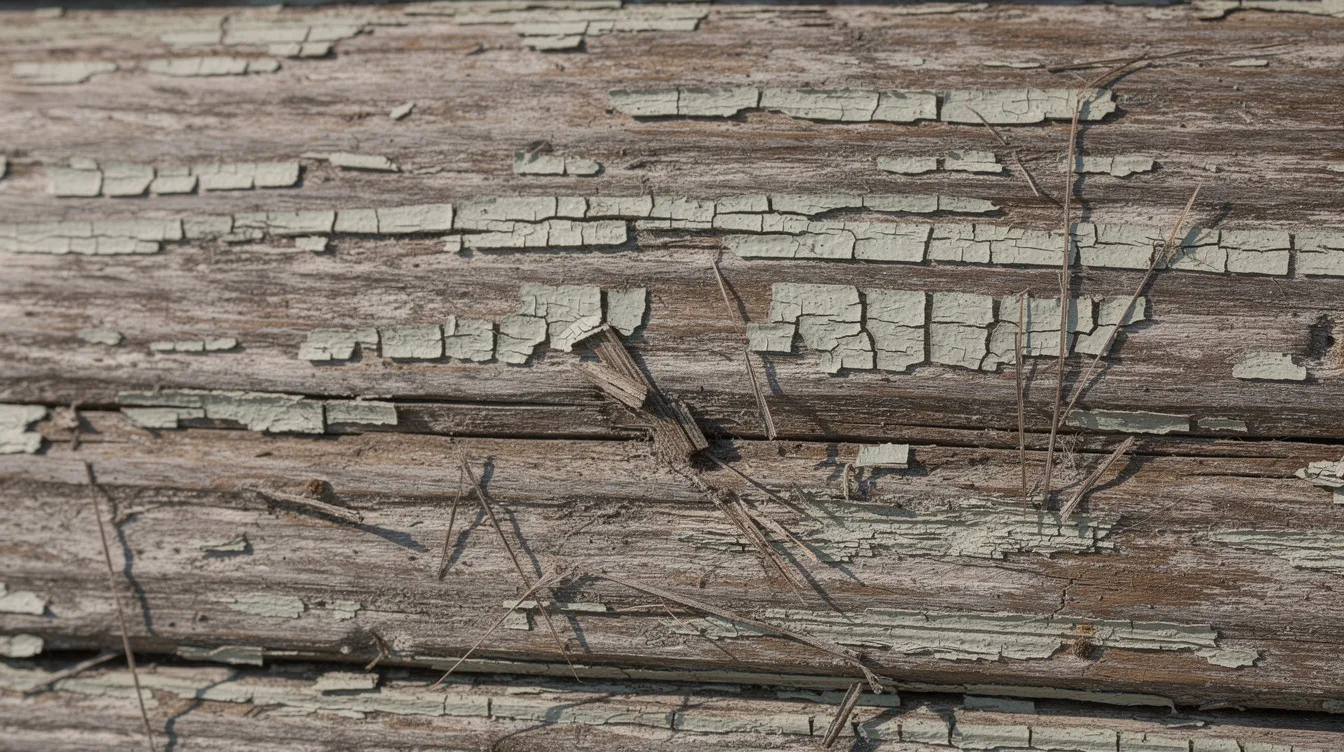
Authentic aging signs include natural craquelure (fine network cracking in old oil paint), consistent fading following expected exposure patterns, and chalk residue embedded in porous surfaces or micro-cracks.
Dating & Authenticity: How to Tell if a Menu Board Is Truly Antique
Developing an eye for authenticity protects against overpaying for reproductions and ensures your collection holds both historical and monetary value.
Price-based dating clues:
- Coffee at 5 cents, sandwiches at 10–15 cents, plate meals at 15–35 cents: Pre-Depression era (1920s–early 1930s)
- Three-course lunch around $1–$1.50, entrées at 60–90 cents: Mid-century (1940s–1950s)
- Many items crossing the $1 threshold: 1960s and later
Currency and spelling indicators:
- “¢” symbol with low absolute prices: North American, pre-1960s
- “Fr.” or “francs” text: French or francophone
- “s” (shilling) and “d” (pence) or formats like “2/6”: British, pre-1971
- Spelling variations (“colour” vs “color”): British vs American origin
Phone number formats:
- 2–4 digit local numbers: Pre-1930s
- Exchange names plus numbers (e.g., “MUrray Hill 5-9975”): 1920s–1950s
- Area codes: Post-1950s, rarely on signage until later
Signs of genuine aging vs. artificial distressing:
- Natural craquelure follows temperature and sunlight exposure patterns
- Consistent fading (top more faded than bottom, front more than back)
- Rust bleeding downward from mounting holes and chips
- Chalk residue ingrained in frequently written areas
- Period-appropriate hardware (square-cut nails, old screw types)
Red flags for reproductions:
- Random or stylized wear patterns
- Modern fonts not used during claimed era
- Historically inaccurate prices
- MDF or modern chalkboard coatings
- Phillips-head screws or modern staples
Authentication checklist:
- Check for maker’s marks, stamps, or labels on reverse
- Look for sign-writer signatures or dates in corners
- Examine hardware age and mounting evidence
- Compare typography to documented period examples
- Assess patina consistency across entire surface
Collecting Antique Menu Boards: Prices, Value & Market
Understanding value drivers helps you build a meaningful collection while making smart purchasing decisions.
Key value factors:
- Age and rarity: Pre-World War I boards (c. 1900–1914) command premium prices due to scarcity; mid-century pieces are more common and accessible
- Condition: Original paint far more valuable than over-painted surfaces; intact porcelain enamel preferred over heavily chipped examples
- Subject matter and imagery: Boards featuring animals (pigs, lobsters, roosters), strong graphics, or major brand logos (Coca-Cola, Guinness) attract broader collector interest
- Provenance: Documented use in a known establishment significantly increases value and historical importance
Approximate price expectations:
- Small 1940s–1950s tin or lithographed menu signs in good condition: Low hundreds of dollars
- Medium French enamel “Menu du Jour” boards with attractive fonts and moderate wear: Mid-hundreds to low thousands
- Large early 1900s hand-painted diner or café boards with strong graphics: Low thousands, depending on condition and provenance
Where to buy:
- Antiques fairs and malls
- Estate sales (especially restaurant or hotel clearances)
- Online auctions
- Specialist dealers in advertising, breweriana, or Americana
Collecting strategies for beginners:
- Focus on a single theme: coffee shops, seafood restaurants, regional cuisine
- Concentrate on one era: Art Deco (1920–1939) or mid-century (1945–1965)
- Build knowledge about a niche before expanding
- Consider practical factors: storage space, wall area for display, conservation needs
Using Antique Menu Boards in Modern Décor
Antique menu boards serve as powerful statement pieces that bring warmth, history, and conversation to contemporary spaces.
Residential applications:
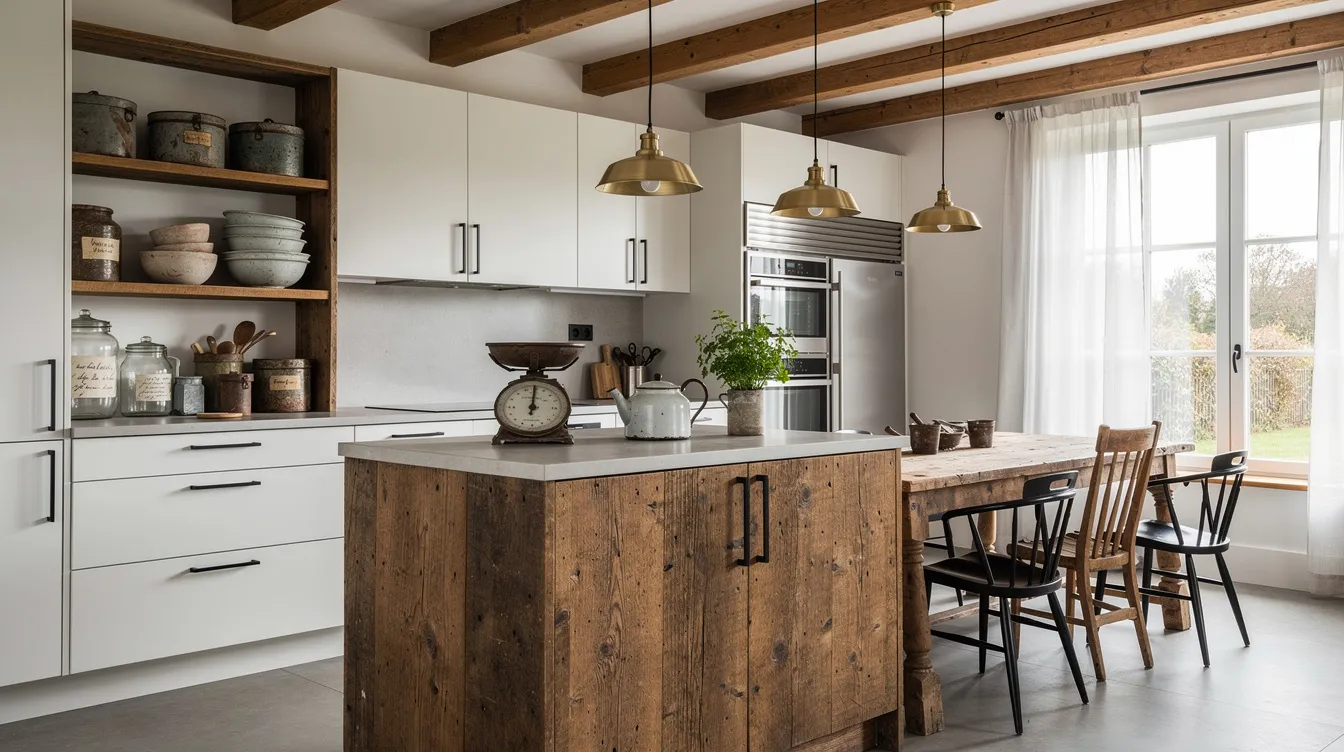
In farmhouse-style kitchens and dining rooms, a large wooden or enamel board becomes the visual anchor of a wall, complementing rustic tables, open shelving, and vintage kitchenware. Industrial lofts pair weathered boards with exposed brick, metal fixtures, and reclaimed wood for cohesive aesthetic impact.
Home bars and game rooms styled after 1940s or 1950s diners benefit from period-correct soda fountain signs or beer-branded boards. Chalkboards allow personalization for parties while preserving authentic character.
Hospitality and commercial spaces:
Modern cafés and restaurants use vintage menu boards to signal connection to culinary tradition. Some establishments display an original 1930s board behind the main bar while using contemporary chalk menus for functional purposes—the contrast underscores continuity with heritage while meeting practical needs.
Branding strategies increasingly revolve around key vintage pieces; a 1940s French bistro board might inspire a restaurant’s entire logo, typography, and color palette.
Practical display considerations:
- Use proper hanging hardware (D-rings, French cleats, heavy-duty anchors) for heavy wooden or enamel boards
- Avoid direct sunlight to protect paint, chalk remnants, and prevent fading
- Position boards away from heat sources and damp walls
- Consider UV-filtering glass if framing delicate pieces
Decorating ideas:
- Pair a single statement board with complementary vintage kitchenware
- Create gallery walls mixing menu boards with related ephemera
- Use functioning chalkboards for household messages while preserving period character
- Combine antique boards with modern digital menus in commercial spaces for deliberate contrast
Care, Conservation & Ethical Restoration
Proper care preserves both the historical integrity and monetary value of your collection.
Basic care guidelines:
- Dust regularly with soft, dry cloths or natural-bristle brushes
- For enamel and metal surfaces, use slightly damp cloth followed by thorough drying
- Avoid harsh cleaners, abrasives, and strong solvents on any surface
- Never aggressively wash painted wooden boards—water swells wood and lifts paint
- Use gentle vacuuming with soft brush attachment on textured surfaces
Environmental considerations:
- Maintain stable humidity (40–60%) to prevent warping and rust
- Avoid damp walls, basements, and unheated outbuildings
- Keep boards away from radiators and direct heat sources
- Limit light exposure to prevent pigment fading
Restoration principles:
- Stabilization (acceptable): Consolidating flaking paint with appropriate adhesives; treating rust on backs or edges to slow progression; reinforcing cracked panels from behind
- Over-restoration (avoid): Repainting entire boards or re-lettering text; aggressive cleaning that removes original patina; filling enamel chips with modern paints; “correcting” original prices
Repainting original lettering or modifying prices significantly reduces both historic and monetary value. Collectors prefer authentic wear as evidence of genuine age.
Professional conservation:
- Consult professional conservators for rare or high-value pieces
- Seek specialists in painted surfaces for early 1900s boards with original artwork
- Document all interventions with before-and-after photographs
- Keep written records of any conservation work for provenance
Documentation practices:
- Photograph boards upon acquisition (front, back, edges, details, hardware)
- Record purchase source, oral history, and any known provenance
- Maintain notes on environmental conditions and care routine
Conclusion & Next Steps
Antique menu boards occupy a unique space at the intersection of culinary history, graphic design, and social culture. They document not only what people ate and paid, but how establishments presented themselves visually through typography, color, and branding. Their enduring appeal lies in this fusion of historical document and decorative statement piece.
Whether you’re drawn to the bold block lettering of a 1920s American diner board or the elegant script of a French bistro enamel sign, building knowledge about your chosen niche will sharpen your eye and protect your investment.
Key takeaways:
- Learn the major types: wooden, chalkboard, enamel, tin, and early plastic boards from 1880s–1965
- Use price levels, currency symbols, and typography as primary dating tools
- Check for genuine aging (craquelure, consistent fading, period hardware) versus artificial distressing
- Prioritize original condition over “restored” pieces
- Store and display boards in stable environments away from moisture, heat, and direct sunlight
- Document provenance and any conservation work
Start by researching a specific era or cuisine that captures your imagination—1930s American diners, 1920s Parisian cafés, or British pub memorabilia—before making your first purchase. Keep a simple evaluation checklist (origin, date estimate, material, condition, provenance) handy when inspecting any board, and you’ll build a collection that combines historical significance with lasting visual impact.