
Pop Up Shops: How to Plan, Launch and Promote a Temporary Store in 2026
May 18, 2026 · Captain
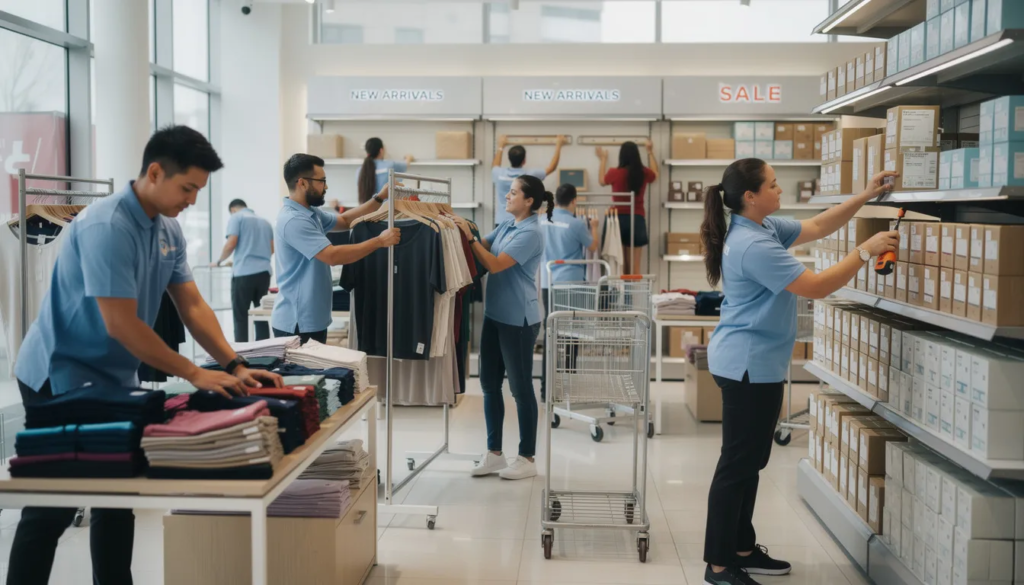
Pop up shops are one of the most effective ways to test a market, generate buzz, or simply move product without committing to a decade-long lease. This guide is for independent makers, established brands, and anyone interested in launching a pop up shop. Pop up shops offer a flexible, low-risk way to reach new customers and test ideas in today’s fast-changing retail environment. As the retail landscape keeps shifting, brands that adapt fastest tend to win—and pop up shops provide the agility and opportunity to do just that.
Quick Summary: What is a pop up shop and why are they important?
Pop-up shops are temporary retail spaces that allow brands to sell products or test markets without long-term leases. A pop-up shop is a temporary retail store designed to operate for a limited period of time. Pop-up shops allow businesses to experiment with new concepts and products with less financial risk. They provide small businesses with a low-risk, flexible, and cost-effective way to test new markets, increase brand visibility, and boost sales without long-term lease commitments. Retailers use the pop-up model to achieve specific business objectives with lower risk and cost than a permanent lease. Pop-up shops are often used by small brands just starting out to test their market and build brand awareness. They are generally cheaper than traditional retail stores, reducing the level of financial risk, and the overall investment for a pop-up shop is significantly lower than that of a permanent retail space.
What is a pop up shop?
Pop-up shops are temporary retail spaces that allow brands to sell products or test markets without long-term leases. A pop-up shop is a temporary retail store designed to operate for a limited period of time. Pop-up shops allow businesses to experiment with new concepts and products with less financial risk. They provide small businesses with a low-risk, flexible, and cost-effective way to test new markets, increase brand visibility, and boost sales without long-term lease commitments.
A pop up shop is a temporary retail or experience space, typically open from a single weekend up to three to six months. Unlike permanent stores tied to long leases and fixed operations, pop ups operate on short-term licenses or event-style agreements, giving brands the freedom to appear, make an impact, and move on.
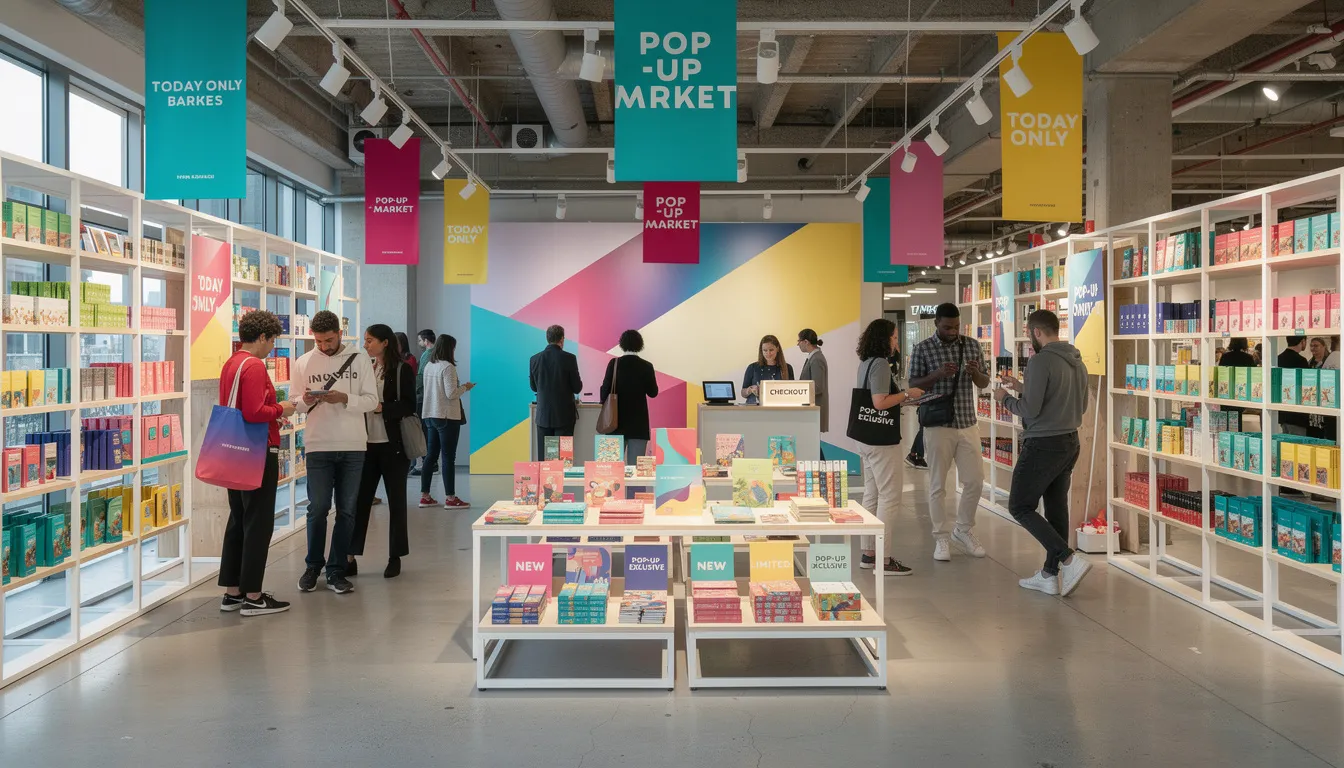
Many pop up shops look indistinguishable from permanent boutiques. They feature polished fit-outs, curated merchandising, and professional staffing. Pop-up shops can look like regular stores, but many brands use them to create unique and engaging physical shopping experiences. The difference lies in the commitment: weeks instead of years, lower deposits, and the ability to walk away once the concept has run its course.
Key Advantages of Pop Up Shops
- Pop-up shops are temporary retail spaces that allow brands to sell products or test markets without long-term leases.
- A pop-up shop is a temporary retail store designed to operate for a limited period of time.
- Pop-up shops provide small businesses with a low-risk, flexible, and cost-effective way to test new markets, increase brand visibility, and boost sales without long-term lease commitments.
- Pop-up shops allow businesses to experiment with new concepts and products with less financial risk.
- Retailers use the pop-up model to achieve specific business objectives with lower risk and cost than a permanent lease.
- Pop-up shops are often used by small brands just starting out to test their market.
- Pop-up shops are a great way for small brands to test their market and build brand awareness.
- Pop-up shops provide flexibility and the opportunity to experiment with less risk.
- Pop-up shops are generally cheaper than traditional retail stores, reducing the level of financial risk.
- The overall investment for a pop-up shop is significantly lower than that of a permanent retail space.
From 2010 to 2025, some of the most talked-about retail moments came from temporary storefronts. Nike’s sneaker drop pop ups in New York’s SoHo district created lines around the block and generated millions in immediate sales. Glossier’s traveling pop ups in London and Los Angeles—featuring pink-themed immersive spaces blending retail with photo ops—drew thousands and reportedly boosted online conversions by 30–50% after visits. Daily Harvest’s 2019 Refueling Station pop ups mimicked gas stations for free meal samples, engaging over 10,000 visitors and driving significant brand awareness.
Pop up shops can take several forms depending on the brand’s goals:
- Pure retail: Direct sales of products during the activation period
- Experiential activations: Brand storytelling and immersive experiences with minimal focus on transactions
- Hybrid showrooms: Customers try products on-site and order online via QR codes, bridging digital and physical retail
Pop-up shops allow brands, artists, and businesses to sell products, launch ideas, or test markets without committing to long-term leases. They provide flexibility and the opportunity to experiment with less risk. Pop-up shops are a valid option for a huge variety of sectors and industries, including fashion, health and beauty, art, online retailers, and food and beverage providers. They are particularly attractive to online retailers looking to extend their reach into physical retail.
Pop-up retail has proven extremely popular in the United States, Canada, China, Japan, Mexico, France, Germany, the United Kingdom, and Australia. Pop-up shops can be found in major cities such as New York, London, Los Angeles, Paris, Milan, Hong Kong, and Amsterdam.
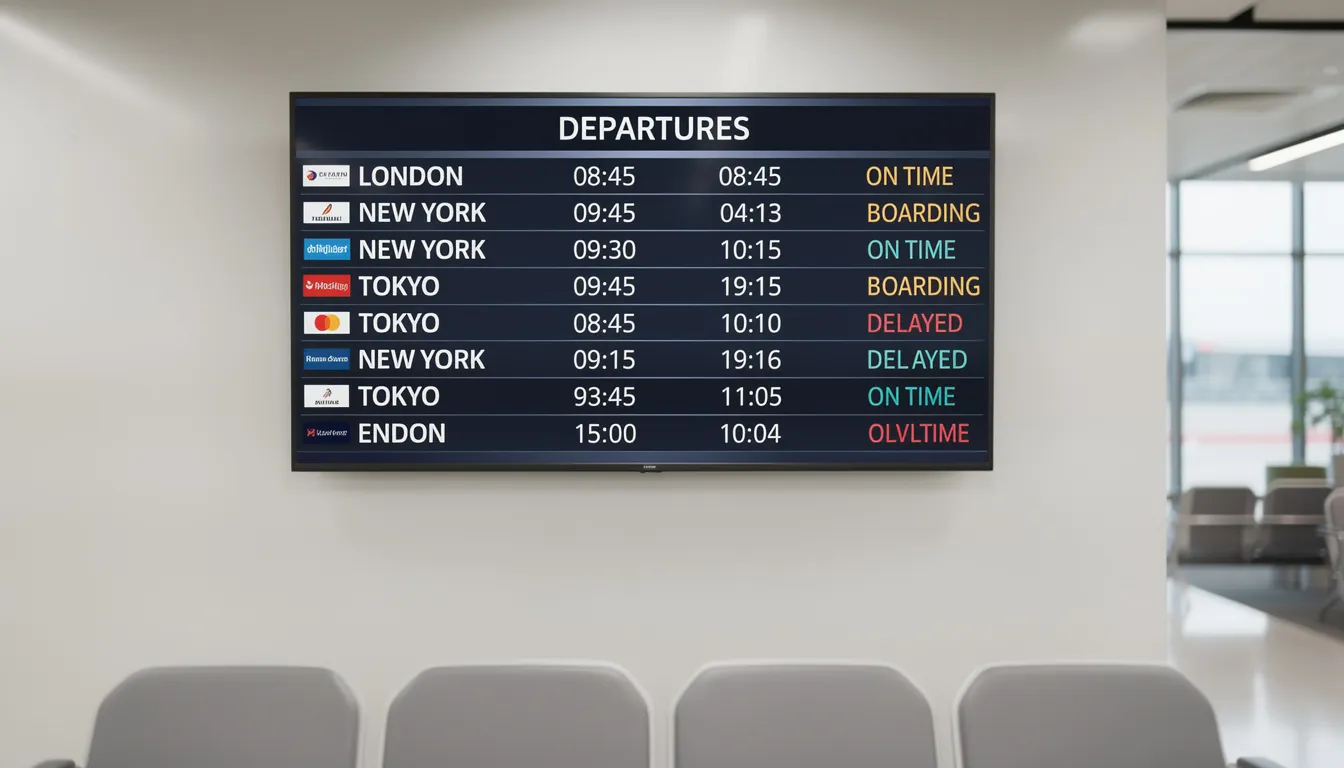
One tool that fits naturally into the pop up world is reprogrammable digital signage. Solutions like Split-Flap TV split-flap displays bring a nostalgic, mechanical-flap aesthetic reminiscent of old train station departure boards to modern screens. These displays can be updated remotely to show rotating promotions, event schedules, or product drops—perfect for spaces that need to capture attention and adapt messaging daily without reprinting anything.
History of pop up retail
The concept of temporary retail is not new, but its formalization into “pop up retail” emerged in the late 1990s and early 2000s. The movement grew alongside event marketing, streetwear culture, and a desire among brands to create ephemeral, buzz-generating experiences that cut through oversaturated markets.
The late 1990s saw events like The Ritual Expo in San Francisco and Los Angeles—sometimes called the ultimate hipster mall. These weekend-long gatherings combined fashion vendors, music, food, and DJs in vacant warehouses, drawing thousands and exemplifying the multi-sensory, collaborative activations that would influence modern experiential retail for decades.
By the early 2000s, major retailers began experimenting with the format. Target’s 2008 “Bullseye Bodega” pop up in New York recreated a neighborhood bodega aesthetic with exclusive designer collaborations, generating significant foot traffic in a vacant space during economic uncertainty. Around 2004, Comme des Garçons pioneered “guerrilla stores” in cities like Berlin and Tokyo, occupying abandoned buildings for weeks with minimalist, avant-garde displays that redefined temporary retail as artistic provocation.
The 2008–2012 global financial crisis accelerated adoption. Empty high-street units proliferated as retailers closed stores—U.S. vacancy rates in prime corridors hit 13–15%. Short-term licenses at 20–50% below permanent rates became attractive to landlords seeking any revenue and to emerging brands avoiding multi-year commitments.
Key milestones in pop up history
- 1997–1999: Ritual Expo launches in San Francisco, popularizing the term “pop-up retail”
- 2004: Comme des Garçons opens guerrilla stores globally
- 2008: Target Bullseye Bodega activates in New York
- 2015–2019: DTC brands like Warby Parker, Allbirds, and Casper use pop ups to test physical demand
- 2020–2022: COVID-19 shifts dynamics toward outdoor setups, ultra-short commitments, and contactless features like QR codes and digital signage
The pandemic period from 2020 to 2022 further reshaped the format. Health regulations pushed pop ups outdoors into parking lots and parks, reduced average durations by roughly 40%, and accelerated hybrid online-offline models. QR codes for entry, virtual queues, and digital menu boards became standard features.
Benefits of a pop up shop in 2026
In 2026, brands use pop ups for far more than clearing inventory. They serve as testing grounds for new markets, stages for immersive brand moments, and solutions for demand surges during holiday peaks or product drops. Industry surveys suggest roughly 70% of brands now experiment with omnichannel tactics, and pop up shopping experiences fit squarely into that strategy.
Benefits for brands
- Lower risk versus long-term leases: A five to ten year commitment in prime New York SoHo might run $15,000–$30,000 per month. A one-month pop up in the same area typically costs $5,000–$15,000—a 60–80% savings. London’s Oxford Street shows similar ratios.
- Direct, real-time feedback: On-site surveys and conversations with customers yield 25–35% higher engagement than online feedback forms. You can test pricing, product variations, and messaging in days rather than quarters.
- Press-worthy experiences: Instagrammable installations, live demos, and interactive elements create organic buzz. Digital leaderboards using Split-Flap TV boards can update hourly to gamify visits, display top-selling products, or show visitor polls—boosting dwell time by 15–20%.
Benefits for landlords
- Monetizing vacancies: With U.S. retail vacancy hovering at 8–10% in 2025, short-term tenants bring 50–70% of full rates to otherwise dead space.
- Generating foot traffic: Pop ups draw visitors who also browse neighboring tenants, with studies showing 10–25% uplift in adjacent sales.
Benefits for customers
- Exclusive access: Limited editions, local brands, and collaborations unavailable elsewhere create urgency.
- Immersive environments: Story-driven retail experiences foster stronger emotional connections, with 80% of visitors reporting higher brand loyalty after attending experiential pop ups.
Communication flexibility
One underrated advantage is the ability to change messaging daily. Modern digital signage platforms like Split-Flap TV allow real time content updates for flash sales, countdowns to product drops, or rotating menus—all at under $1 per day per screen. This adaptability far outpaces static print materials for pop up urgency.
Who can open a pop up shop?
By 2026, pop up accessibility spans budgets from bootstrapped weekend markets to high-end flagship activations. Platforms listing short-term spaces and plug-and-play technology have lowered barriers, making temporary retail viable for entities well beyond traditional retailers. Pop-up shops are now used across a wide range of industries, from fashion and art to health, technology, and food services.
Who’s opening pop ups today:
- Independent makers and Etsy sellers: Testing offline demand at markets or kiosks, often converting 10–20% of online traffic to physical sales. Pop-up shops are often used by small brands just starting out to test their market.
- DTC e-commerce brands: Validating physical retail in cities like New York, Berlin, and Melbourne, with data showing 15–30% higher lifetime value from customers who try products in person
- Global giants: Louis Vuitton artist collaborations, Adidas drops, and Netflix show-themed shops drawing 5,000–20,000 visitors per activation
- Food and beverage concepts: Piloting menus and gauging demand before committing to a permanent restaurant or bar
- Restaurants: Using pop-up shops to test new markets or menus, expand their reach, and engage with customers in a flexible, cost-effective way.
- B2B and SaaS companies: Hosting demo lounges and experience studios at conferences and trade shows with interactive stations
Even small teams of two or three people can manage a pop up with basic tools: a POS system like Square (zero upfront cost), Wi-Fi, one or two TVs, and a signage app like Split-Flap TV. The barrier to entry is less about scale and more about clarity of concept, choice of location, and a well-defined timeline.
Where are pop ups found and what locations work best?
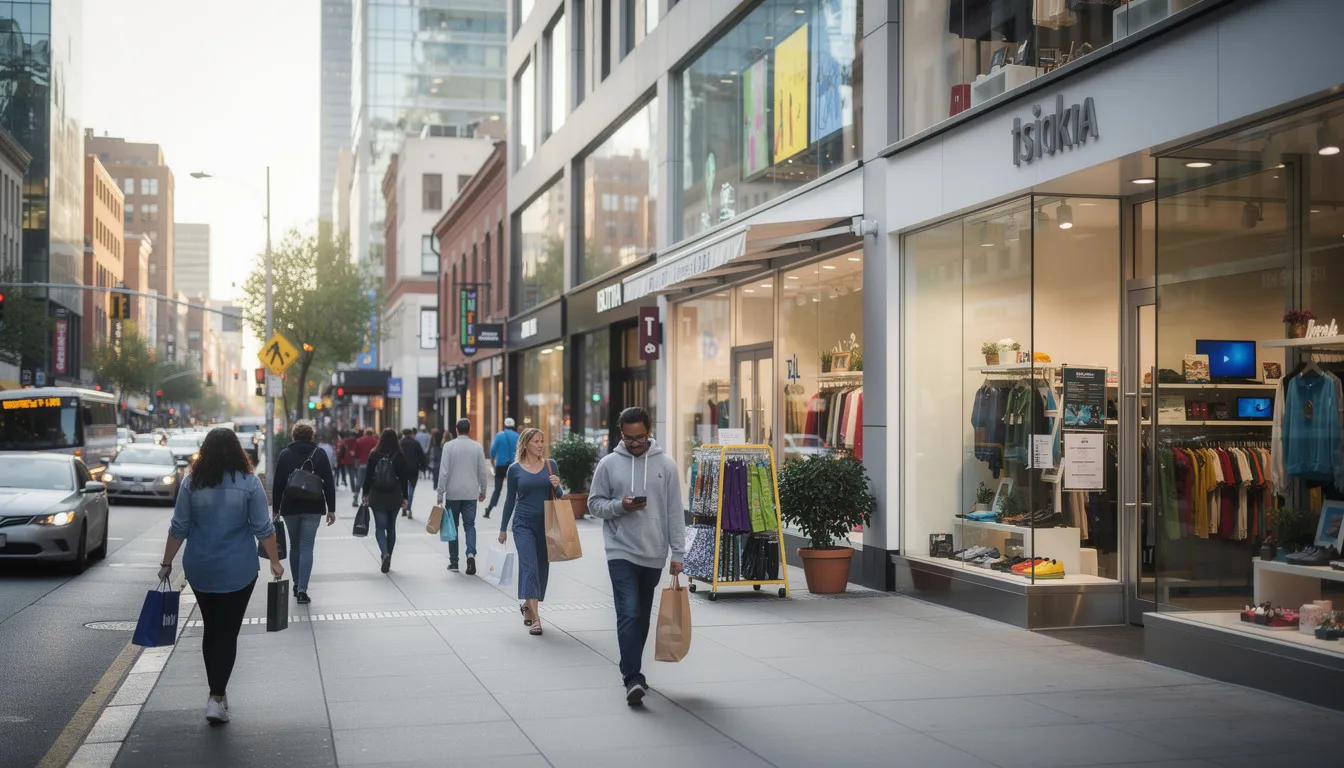
Optimal pop up locations hinge on high foot traffic aligned with your target demographic. Think 5,000 to 20,000 daily passersby in urban cores, with neighborhood vibe matching your brand ethos for authentic engagement.
Key location types
- High-street storefronts: Oxford Street in London, Broadway in SoHo New York, Shibuya in Tokyo—prime visibility with millions of annual visitors
- Enclosed malls: Westfield centers in the UK, shopping centers in Toronto and Sydney deliver steady crowds of 50,000+ daily, though rents and constraints run higher
- Transportation hubs: Major train stations and airports offer 100,000+ daily transients. The nostalgic split-flap aesthetic works especially well here, with displays evoking classic departure boards to reinforce travel themes
- Non-traditional venues: Galleries, lofts, warehouses, outdoor markets, shipping containers, and rooftop terraces offer distinctive settings—Leesa’s Dream Gallery in a New York art space combined mattress testing with art from underserved artists
Trade-offs by location type
|
Location Type |
Advantages |
Challenges |
|---|---|---|
|
Malls |
Reliable traffic, existing infrastructure |
Higher rent, more constraints on fit-out and hours |
|
Street storefronts |
Stronger brand canvas, creative freedom |
Weather risks, variable foot traffic |
|
Event venues |
Highly targeted audiences |
Short duration, intensive setup |
Interior layout essentials
- Position hero products and main Split-Flap TV business signage boards (like a Split-Flap TV screen with rotating offers) with clear entrance sightlines
- Create distinct zones for try-ons and demos, checkout, and social-media “moment” spots
- Keep aisles wide enough for comfortable browsing—average dwell times run 2–5 minutes, so maximize that time with intuitive flow
How much does a pop up shop cost?
Costs vary significantly by city, size, and duration, but remain 40–70% below permanent equivalents due to short-term arrangements. A 300 square foot, one-month pop up in New York might total $10,000–$40,000, compared to $50,000+ prorated yearly for a permanent lease.
Space rental ranges
- Small kiosk or market stall: $50–$150 per day in secondary cities like Austin or Lisbon
- 300–600 sq ft storefront: $1,500–$4,000 per month in mid-tier markets
- Prime NYC, London, or Paris: $10,000–$50,000+ for multi-week activations
Typical cost categories
|
Category |
Estimated Range |
|---|---|
|
Rent or license fee |
40–60% of total budget |
|
Insurance and permits |
$500–$2,000 |
|
Basic fit-out (paint, shelving, lighting, POS counter) |
$2,000–$10,000 |
|
Furniture and display props |
$1,000–$5,000 |
|
Technology (POS, Wi-Fi, TVs, digital signage subscription) |
$500–$3,000 |
|
Marketing (flyers, social ads, influencer previews, launch event) |
$1,000–$5,000 |
Hidden or often-forgotten expenses:
- Security deposits (typically one to two months rent)
- Cleaning and storage of fixtures after closing ($500–$2,000)
- Overtime staff costs on weekends and evenings ($20–$30/hour premiums)
For digital signage, split flap display boards like Split-Flap TV run under the cost of a daily coffee per screen—far cheaper than reprinting banners every time you want to update a promotion.
How to find and secure the right pop up location
Step-by-step process
- Define your target customer and matching city districts. If you’re launching youth fashion, trendy neighborhoods like Nolita in New York make sense. A luxury brand might target Mayfair in London.
- Set a clear date range. “Black Friday week 2026” or “June–August 2026 tourist season” gives you negotiating power and planning clarity.
- Decide on minimum and maximum size. A 200–300 square foot space works for intimate product launches; 800+ square feet suits experiential activations.
- Research listings across platforms. Check short-term retail marketplaces, local Facebook groups, and business improvement districts for unlisted opportunities.
What to look for during site visits
- Actual vs. advertised foot traffic: Count passersby at different times of day using 15-minute intervals
- Exterior visibility: Window footage, nearby signage clutter, and whether you can install your own digital or split-flap-style displays inside
- Technical infrastructure: Power outlets, ceiling height, and wall strength for mounting screens and larger displays
Key points to clarify in agreements
- License versus lease structure, exact dates and hours of access
- Who covers utilities, cleaning, and minor repairs
- Rules about signage, music volume, digital screens, and late-night events
Pop up shop ideas and concepts
A strong, focused concept makes a pop up more newsworthy and shareable. The best temporary stores tell a story that audiences want to participate in and spread on their own.
Concrete concept ideas
- Limited-edition product drop: A sneaker collab available only during a three-day weekend, creating urgency and exclusivity
- “From URL to IRL” showroom: An online-only brand invites customers to try products in person, then order via QR code—bridging digital and physical
- Seasonal experience lounge: A December 2026 holiday nostalgia venue featuring retro-style Split-Flap TV boards with rotating festive messages and countdowns
- Workshop and maker studio: Visitors watch products being made and personalize items on-site
- Food tasting lab: A new beverage brand runs timed tasting sessions displayed on digital boards
- Co-branded pop up: Partner with local artists or musicians to combine retail, gallery, and live events
Interactive elements to consider
- Live leaderboards: Social media counters or “most loved product today” rankings displayed on a Split-Flap TV screen
- Photo wall or “departure board” backdrop: Show visitors’ names or the cities they’ve traveled from, creating shareable moments
- Sensor-triggered displays: Connect motion sensors to trigger welcome messages or product highlights as customers enter different zones
The best concepts create something that cannot be replicated online—a reason to show up, participate, and share.
Planning and setting up your pop up shop
Main Planning Phases
- Concept and goals: Define what success looks like—$20,000 in sales, 500 email sign-ups, 1,000 social mentions. Write these down and plan backward from them.
- Budget and timeline: Create a simple example like “launching for the first two weeks of September 2026” with associated milestones.
Operational Setup Tasks
- Secure location and sign short-term agreement
- Obtain necessary permits (temporary retail license, food handling if relevant, signage permissions—typically $200–$1,000)
- Design floor plan optimizing customer flow and merchandising
Visual Merchandising Considerations
- Use focal points near the entrance and back wall to draw customers deeper into the space
- Combine physical signage (window vinyls, price tags) with digital elements—Split-Flap TV boards showing daily schedules, promotions, or live social mentions
- Keep aisles wide enough for comfortable browsing and accessibility compliance
Staffing and Training
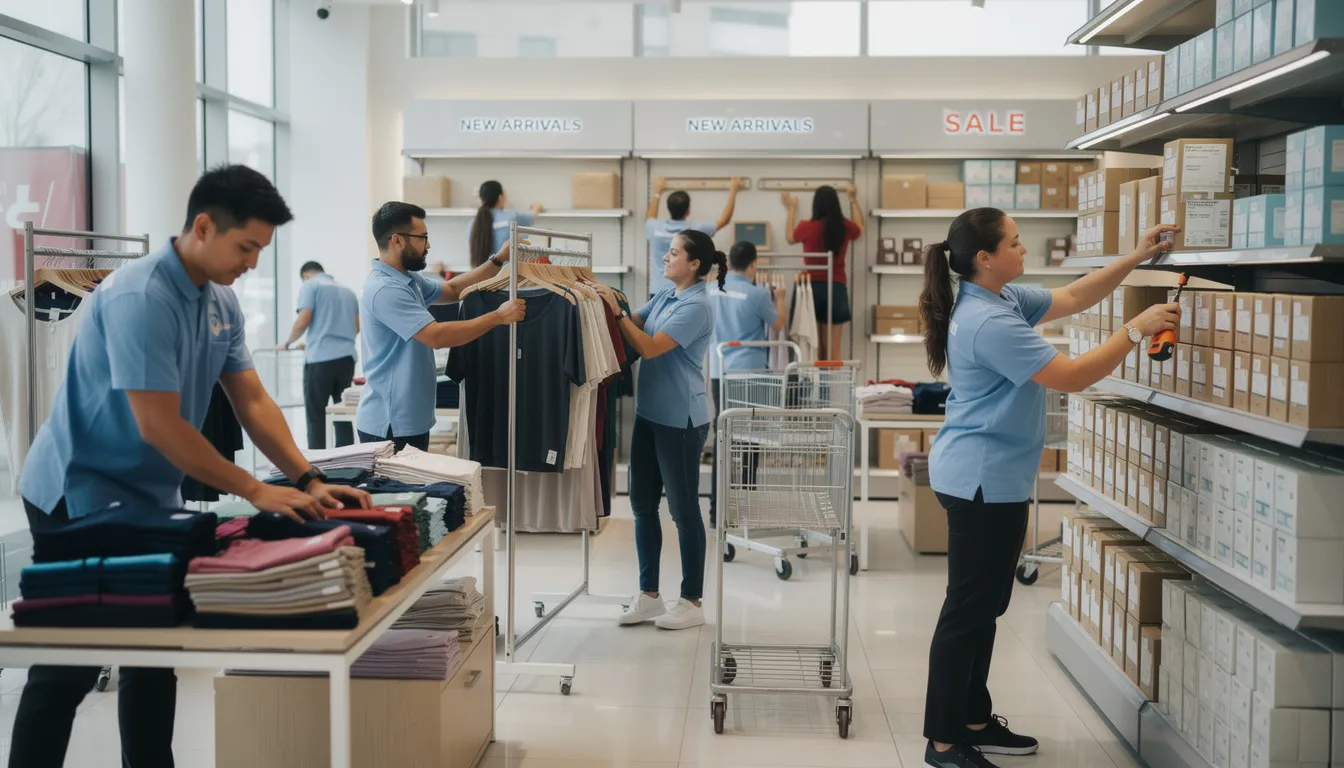
- Define roles clearly: greeter, product expert, cashier
- Train staff on brand story, scripts, POS systems, and how to manage digital signage controls
- For a small pop up, two to five people typically handle operations effectively
Creating an immersive experience in your pop up shop
Why Immersive Experiences Matter
Crafting an immersive experience lies at the very soul of what transforms a pop up store into something memorable—something that lingers in the heart long after the visit ends. In today’s retail landscape, discerning customers crave far more than mere products arranged on shelves—they yearn to be genuinely engaged, delightfully surprised, and authentically inspired. Digital signage emerges as an exquisite tool to help you weave these dynamic, emotionally resonant environments that distinguish your pop up from the sterile predictability of traditional retail spaces.
Examples of Immersive Digital Signage Use
Consider, for instance, a fashion pop up where digital signage transforms an ordinary wall into a mesmerizing virtual catwalk—looping videos of the latest collection in graceful motion, each frame breathing life into fabric and form. Or envision a food brand employing digital displays to orchestrate live cooking demonstrations, intimate recipe revelations, and behind-the-scenes narratives that draw customers into a deeper, more personal connection with the brand’s story. These digital elements don’t merely capture fleeting attention—they cultivate genuine moments of wonder, encouraging customers to pause, explore with childlike curiosity, and share their discoveries across social media with authentic enthusiasm.
Integrating Digital Signage for Emotional Impact
Through the thoughtful integration of digital signage throughout your pop up, you create a cohesive, emotionally intelligent environment that adapts with graceful fluidity—showcasing fresh arrivals with anticipation, celebrating local artists with reverence, or orchestrating interactive experiences that feel both playful and purposeful. The result transcends mere shopping—it becomes an experience that feels refreshingly human, engagingly personal, and exquisitely tailored to your audience’s deepest aspirations, generating not only foot traffic but lasting emotional impressions that resonate far beyond the moment of purchase.
Using digital signage and split-flap style displays in pop up shops
The fast-changing nature of pop ups demands flexible, easily updated messaging. You might run a morning flash sale, announce an afternoon DJ set, and promote a different product by evening—all in one day. Static signage cannot keep up.
Digital signage in this context means a TV or tablet running software like Split-Flap TV, controlled from a web dashboard or phone. Content types include rotating product highlights, event schedules, live social feeds, weather updates, and countdowns. Digital signage allows for dynamic and real-time content updates, making it well-suited for environments where information changes frequently. Digital signage can be deployed across various devices, including smart TVs, tablets, and media players, ensuring consistent content display. Interactive digital signage allows users to interact directly with displays using input methods like touch or gestures. Audience measurement can be integrated into digital signage systems to detect and count viewers and estimate demographics. Context-aware digital signage adjusts content based on environmental or audience data, enhancing relevance and engagement. Digital split-flap displays like Split-Flap TV can incorporate audience analytics, IoT sensors, or AI-driven personalization to enhance user engagement.
Concrete use cases for Split-Flap TV in your space in a pop up
- Entrance board: Style it like a vintage train-station departure board announcing “Today’s Drops,” “Next Tasting at 16:00,” or “Tonight’s DJ Set”
- In-store navigation: Screen showing zones like “New Arrivals,” “Custom Station,” and “Checkout”
- Social proof display: Real-time follower counters, review tallies, or top cities customers are visiting from
- Ambient storytelling: Quotes, destination names, or brand timelines that change every few seconds, creating motion and the distinctive flap sound
Technical setup
- Use existing smart TVs or low-cost media players running Android, Apple, or other operating systems, as well as LCD, LED, OLED screens, projectors, and touchscreen monitors—these devices provide flexibility in display technologies, sizes, and functionalities for pop up shops when running Split-Flap TV’s digital split flap software.
- Digital signage systems rely on both hardware (devices) and software to deliver and manage content.
- Install the Split-Flap TV app and connect to your local network via Wi-Fi
- Update messages instantly from a laptop or phone without reprinting anything
Digital signage systems can be managed through centralized content management systems (CMS), enabling remote updates and scheduling. Content can be updated via cloud-based platforms for centralized control or through direct interfaces on-site. The software used for digital signage is responsible for content creation, scheduling, and management. Content management systems for digital signage often include features for user control, live server status, and network health reports, and many now support revived split-flap style displays in digital spaces.
Design tips
- Keep messages short and legible from across the shop—typically six to eight words maximum
- Use motion sparingly so it attracts attention without overwhelming the space
- Match color palette and typography to your pop up’s visual identity while preserving the split-flap aesthetic
- Ensure video tag content and dynamic elements support rather than distract from merchandising
The format delivers both nostalgia and functionality, creating a feature that customers photograph and share.
Security and safety considerations for pop up shops
Why Security and Safety Matter
Security and safety emerge as fundamental, almost sacred considerations when orchestrating a pop up shop — especially given the ephemeral, vulnerable nature of these temporary commercial spaces. Protecting your business, staff, and customers begins with what feels like basic ritual: ensuring your pop up breathes with secure locks, sophisticated alarm systems, and — when feasible — watchful surveillance cameras (the kind that become silent guardians). These measures don’t just deter theft; they cultivate a sense of sanctuary, a “we’ve got this covered” confidence that permeates everyone involved.
Employee and Customer Safety
Employee safety carries equal weight — perhaps more so, given the human element at stake. Training your team becomes an act of empowerment: emergency procedures, evacuation pathways, incident response protocols — each detail helping them feel genuinely confident and authentically prepared. Digital signage transforms into something profound here — use it to display emergency exit maps (clear, intuitive, almost architectural), critical contact details for emergency services, and real-time alerts when circumstances demand immediate attention. This approach doesn’t merely keep customers informed; it demonstrates your unwavering commitment to their well-being, creating what feels like protective storytelling through technology.
Building Trust Through Safety
By prioritizing security and safety — and leveraging digital signage to communicate these crucial, life-preserving details — you cultivate a trustworthy environment where customers experience genuine comfort while shopping and your team can focus entirely on delivering exceptional, memorable service. The result feels less transactional and more like creating a temporary haven where business and human care intersect beautifully.
Staffing and training for your pop up shop
The Importance of the Right Team
The right staff can spark magic or extinguish the soul of your pop up shop’s experience. Seek team members who radiate genuine enthusiasm — those who don’t just know your brand but feel it in their bones, and who possess that rare gift of connecting with strangers in the beautiful chaos of fast-paced retail. Once you’ve gathered these passionate souls, invest deeply in training that goes beyond mere product knowledge — immerse them in your brand’s story, its heartbeat, the memories it creates.
Leveraging Digital Signage for Training
Digital signage can become a living, breathing companion in this training journey — a silent mentor that keeps your staff connected and informed throughout each activation. Picture creating displays that don’t just showcase features and pricing, but tell the story of each product, celebrate current moments, and offer your team instant access to evolving information that dances before their eyes. This becomes especially precious in the pop up world, where change flows like water and your team must move with the grace of dancers, always ready, always inspired.
Empowering Consistent Experiences
By embracing digital signage as both teacher and trusted ally, you empower your team to weave consistent, heartfelt experiences — ensuring that every customer interaction becomes a small celebration of your brand’s essence, a moment where expertise meets genuine human connection, and where every conversation carries the authentic spirit of what you’ve built together.
Inventory management and control
Why Inventory Management Matters
Managing inventory efficiently tends to feel almost magical for pop up shop owners, where every square foot whispers possibilities and each item carries weight beyond its physical presence. Digital signage creates this sense of effortless control—a warm confidence that comes from seeing real-time information on stock levels, pricing, and special promotions flow seamlessly to both staff and customers.
Using Digital Signage for Inventory
Picture the quiet satisfaction of digital displays that pulse with life, updating automatically as items find their way to new homes, gently alerting staff when it’s time to restock or reorder. Interactive screens invite customers into a deeper relationship with your offerings—they can browse your full product range with tactile curiosity, check availability with the kind of engagement that feels personal rather than transactional, reducing those familiar moments of manual inventory checks and freeing up staff to focus on the human connections that matter.
Creating a Seamless Experience
By embracing digital signage to manage and display inventory data, you create something that feels both sophisticated and effortless—operations that flow like well-choreographed dance, waste that simply dissolves away, and shopping experiences that leave customers with that rare sense of discovery. All while keeping your pop up humming with the kind of purposeful energy that transforms temporary spaces into memorable destinations.
Customer service and support in a temporary retail environment
Delivering Outstanding Service
Delivering outstanding customer service creates a sense of wonder—almost magical—especially in a pop‑up shop where every moment feels precious and fleeting. The limited time you have to make an impression becomes part of the charm, creating urgency that’s both thrilling and meaningful. Digital signage can help you weave this enchantment by providing clear, accessible information that feels warm and welcoming—store hours, contact details, and return policies that appear right when customers need them most, like a thoughtful gesture from a caring friend.
Using Digital Displays for Engagement
You can also use digital displays to create what feels like intimate conversation stations, inviting customers to share their hearts and ask questions in real time. Picture this: a simple touchscreen survey at checkout that doesn’t feel transactional but rather like you’re genuinely asking, “How was this experience for you?” This kind of meaningful interaction provides valuable insights into what’s sparking joy and where you can nurture even deeper connections, while showing customers that their voices matter—that they’re not just buyers, but collaborators in something special.
Building Lasting Connections
By weaving digital signage into your customer service approach, you create an atmosphere where finding information feels effortless and support feels genuine—like being welcomed into someone’s carefully crafted world. This transforms their entire experience from merely shopping into something more personal and emotionally rich, building lasting connections with your brand that linger long after your temporary retail setting disappears.
Marketing and promoting your pop up shop
Limited time is your main marketing hook. Scarcity and urgency should run through every message you create—from the first teaser post to the final-day countdown.
Pre-launch tactics (3–4 weeks out)
- Announce dates and location on your website, email list, and main social channels
- Create a Facebook or Eventbrite page with precise address, opening hours, and a teaser of what’s exclusive to the pop up
- Reach out to local media, bloggers, and neighborhood newsletters with a simple press note including photos or renders of the space
Live and in-store promotion
- Use street-level signage and window displays to draw walk-by traffic
- Run scheduled mini-events (workshops, Q&A sessions, tastings) and show the schedule on a Split-Flap TV screen near the entrance
- Offer time-limited deals visible on your digital signage: “Happy Hour: 4–6 PM today only”
Digital amplification
- Encourage user-generated content with a dedicated hashtag and a photo-friendly corner
- Show selected posts or social handles in real-time on a digital split-flap board to reward participation, drawing inspiration from the best Split-Flap TV installations in the community
- Retarget visitors and online engagers with advertising reminding them of closing dates
- Connect with local influencers who can deliver authentic coverage to their audiences
The combination of physical presence and digital amplification creates a flywheel: in-store experiences generate shareable content, which drives more visitors, who create more content.
Measuring success and what to do after your pop up ends
Measuring results helps you decide whether to repeat the pop up, change location, or move toward a permanent store. Without data, you’re guessing.
Key metrics to track
|
Metric |
What It Tells You |
|---|---|
|
Total revenue and average order value vs. targets |
Whether the pop up hit financial goals |
|
Foot traffic estimates per day |
Location effectiveness and peak times |
|
Email/newsletter sign-ups |
Long-term customer acquisition value |
|
Social metrics (hashtag usage, content shares, follower growth) |
Brand awareness impact |
|
Engagement with digital signage |
Which messages or promotions drove noticeable spikes |
Data collection methods
- POS reports broken down by hour, product, and promotion
- Simple customer survey with a small incentive (10% response rate is typical with a discount offer)
- Staff debrief sessions at the end of each day and after closing week
- Manual clicker counts or sensor-based foot traffic tracking
Post-pop up actions
- Follow up via email with attendees: thank-you note, online discount, announcement of next event
- Repurpose assets—fixtures, Split-Flap TV screens, content templates—for future pop ups or permanent locations
- Store reusable materials properly to avoid storage costs and damage
- Document learnings about location, timing, pricing, and messaging in a short internal report
- Share details with your broader organization so institutional knowledge builds over time
Each pop up becomes a learning opportunity that makes the next one more effective.
Conclusion: why pop up shops matter now
Pop up shops offer a flexible, lower-risk way to test ideas, create memorable experiences, and connect with new customers in 2026’s evolving retail landscape. As e-commerce continues growing while physical retail rebounds, the brands that thrive will be those that blend both channels intelligently. Temporary storefronts let you experiment without betting everything on a single location or format.
Success depends on three pillars: a sharp concept that gives people a reason to visit, the right location that puts you in front of your target audience, and clear communication inside the space that guides, informs, and delights. Digital signage—especially nostalgic, character-filled formats like Split-Flap TV—helps pop ups stand out, update information instantly, and turn every visit into a story worth sharing.
Whether you’re planning your first weekend market stand or your tenth multi-city activation, the fundamentals remain the same. Build a reusable toolkit of fixtures, screens, hardware, and content templates that can travel from city to city. Test early, measure everything, and iterate. The pop up format rewards those who treat each activation as both a standalone business and a learning lab for what comes next.