
Cocktail Bars: Craft Drinks, Retro Vibes, and Digital Split-Flap Charm
May 11, 2026 · Captain
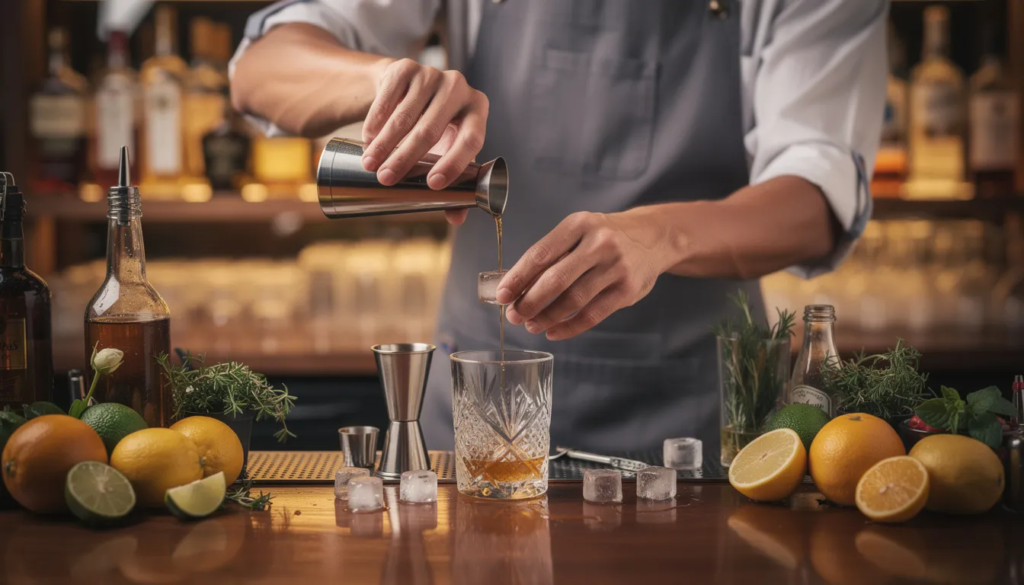
Welcome to the ultimate guide for cocktail bars in 2025—crafted specifically for bar owners, hospitality professionals, and cocktail enthusiasts eager to elevate their venues or experiences. As the hospitality industry evolves, understanding how to create memorable cocktail bar experiences and leverage digital signage is more important than ever. This article focuses on modern cocktail bars, the role of digital signage, and how these elements combine to enhance guest experience.
A cocktail bar is characterized by attentive, knowledgeable service, high-quality ingredients like house-made syrups and fresh juices, and a comfortable, well-designed space. The city’s culture and atmosphere play a key role in shaping the unique qualities of its cocktail bars, making each destination distinct and memorable. Some cocktail bars have even earned a place among the world’s most renowned venues, celebrated for their innovation and global influence. They blend craft beverages, immersive storytelling, and intentional design to create experiences that keep guests coming back week after week. This guide explores what makes today’s best bars stand out and how digital split-flap signage can add nostalgic airport-departure-board charm to any venue.
Key Features of a Great Cocktail Bar: What to Look For
Summary:When choosing or designing a cocktail bar, keep these essential features in mind:
- Attentive, knowledgeable service: Staff should greet guests personally, remember regulars, and offer expert recommendations.
- High-quality ingredients: Look for bars that use fresh juices, house-made syrups, and premium spirits.
- Comfortable, well-designed space: The atmosphere should be inviting, with thoughtful lighting, seating, and decor.
- Curated, imaginative drink menu: Menus should feature creative cocktails, seasonal specials, and options for all tastes.
- Expert bartenders: Skilled mixologists who can craft both classics and innovative drinks.
- Intimate or unique atmosphere: Whether it’s a cozy speakeasy or a rooftop lounge, the vibe should feel special and memorable.
Prioritize bars that use fresh juices, house-made syrups, and premium spirits for high-quality ingredients. Choose a cocktail bar with a curated, imaginative drink menu, expert bartenders, and an intimate or unique atmosphere.
Why Cocktail Bars Still Matter in 2025
Walk into any top-tier cocktail bar in New York, London, or Tokyo, and you’ll notice the experience starts before you take your first sip. The best venues go beyond alcohol service—lighting calibrated to 10-20 lux for ambiance, soundtracks that shift from lo-fi jazz to ambient electronica, custom glassware, and menu typography designed for readability in dim rooms all shape the evening.
The post-2020 era transformed how people enjoy cocktail bars. Reservation-only models rose 25-30% as venues prioritized controlled, high-touch experiences over volume. Smaller spaces, often under 50 seats, now focus on hospitality details that make guests feel like insiders rather than customers in a queue.
This shift toward intimacy creates an opportunity for bars to rethink how they communicate with guests inside the space. At Split-Flap TV, we help bars add a nostalgic, airport-departure-board aesthetic to menus and announcements using regular TVs. No mechanical parts, no maintenance headaches—just software that transforms any screen into a flipping display reminiscent of 1960s travel hubs.
Now that we’ve established why cocktail bars remain vital in 2025, let’s explore the foundational elements that define a truly great cocktail bar experience.
What Makes a Great Cocktail Bar Experience
Beyond famous names and awards, the best cocktail bars share common elements that guests feel from the door to the last sip. These experience pillars work together to create evenings people remember. A good bar should also maintain cleanliness and offer a variety of drinks catering to different tastes.
Hospitality
- Personalized greetings for each guest
- 2-3 minute table touches to check in
- Remembering regulars and their preferences
Storytelling
- Drink backstories delivered verbally or through visual cues
- Menus or displays that share the origins of cocktails and spirits
Menu Design
- Seasonal zines with ingredient glossaries and strength guides
- Clear information about ingredients and alcohol content to help guests choose confidently
Service Pacing
- 15-20 minute intervals between drinks, with staff reading the room to adjust timing
- Balancing pre-batched efficiency for busy nights (often 40% of volume in punches) with theatrical made-to-order builds
Visual Communication
- Signage as “silent staff” guiding guests to specials and house rules
- Digital signage showcasing daily specials and events, creating a more interactive experience for patrons
With digital signage solutions like Split-Flap TV, you get reliability and longevity—these displays are built to run continuously without stop, ensuring your bar’s message is always visible.
Cocktail Craft and Consistency
Consistent execution separates good bars from great ones. Every Martini, Old Fashioned, or house special should taste the same on a Tuesday in February as on a Saturday in July. Innovative cocktail trends now incorporate unique ingredients and creative presentation styles, setting standout cocktail bars apart.
Award-winning venues in New York City and other cities rely on a couple of advanced techniques and ingredients, including:
- Clarified milk punches (milk curdles impurities for crystal-clear texture)
- Fat-washing (infusing lipids like browned butter for mouthfeel)
- Ice management (hand-cut spheres diluting 20-25% over 10 minutes)
- Batching (pre-mixed at precise ratios scaled for volume)
Cocktail bars are increasingly using seasonal ingredients and house-made syrups to enhance their drink offerings. Mixologists are also experimenting with molecular gastronomy techniques to create avant-garde cocktails, and the use of herbal and botanical elements is becoming more popular in modern mixology. Attaboy, a renowned speakeasy, is known for its bespoke mixology and personalized cocktail service.
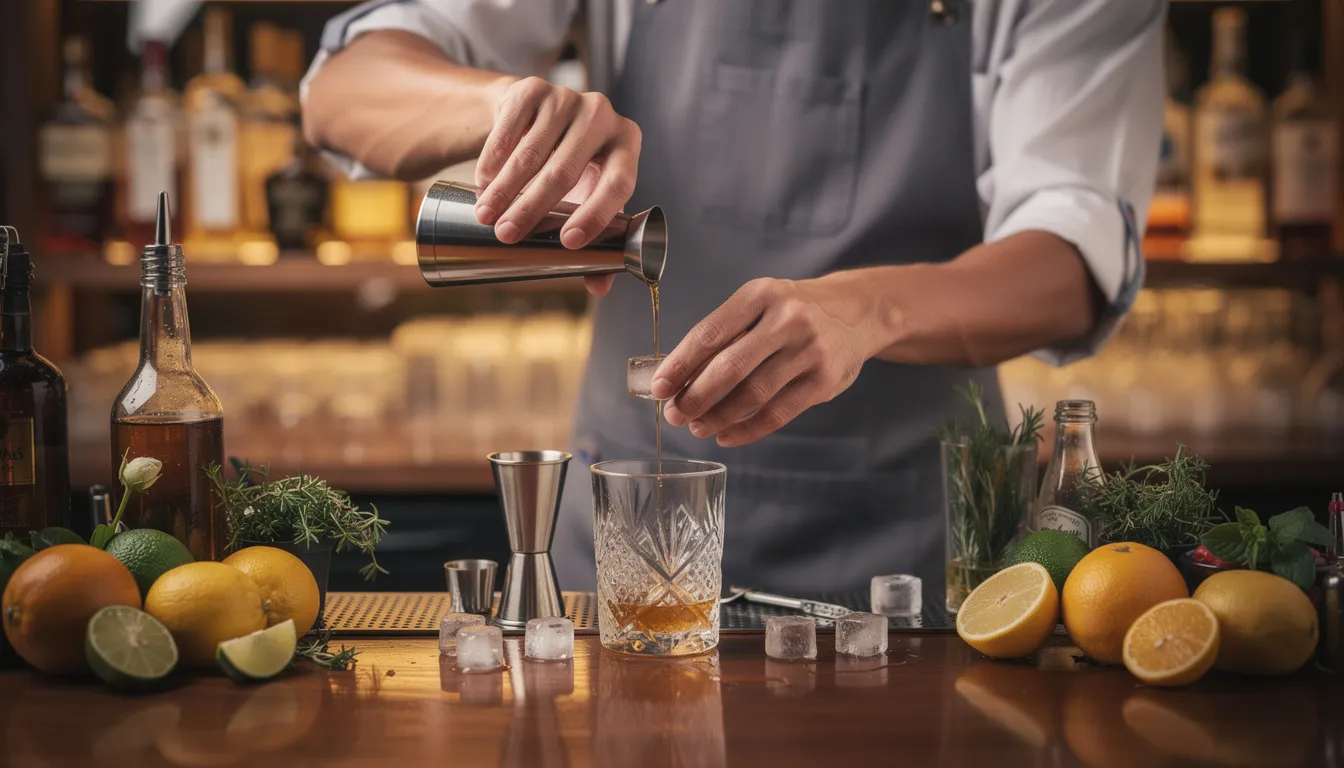
A Split-Flap TV screen could show a rotating “Tonight’s Technique” or “Behind the Bar” segment so guests learn what goes into their drinks without slowing the bartenders down. This kind of storytelling builds engagement and helps justify premium pricing.
Atmosphere, Lighting, and Music
Lighting levels, seating types, and soundtracks define whether a bar feels like a date night spot, a neighborhood joint, or a special-occasion destination. The details matter:
- Dear Irving Gramercy: Warm 2700K LEDs, intimate booths, hushed conversation
- Katana Kitten: Brighter 4000K lighting, communal seating, energetic playlist at 70-80 dB
- Attaboy: Dimmed lights, no standing room, jazz at conversation-friendly levels
Digital signage must respect this mood. Split-flap design works well because the slow, gentle flips (2-4 RPM) and dimmable output (under 100 nits) avoid the visual noise of standard LCD screens. The display becomes part of the ambiance rather than a distraction.
Menus, Storytelling, and Visual Communication
Modern cocktail menus have evolved into zine-style booklets with seasonal chapters, tasting flights, and ingredient glossaries explaining amari like Averna (herbal, bittersweet) or obscure spirits guests may not recognize.
- Clear information about ingredients and strength helps guests choose faster and drink more confidently. Industry UX studies suggest well-designed menus can speed decisions by 30%, improving table turns without rushing the experience.
Split-Flap TV works as a digital companion to printed menus, ideal for showcasing limited-run specials, bartender’s choice features, or “sold out” status without reprinting, helping venues cut menu printing costs with split-flap screens. The display updates in seconds from a laptop or phone, keeping information accurate throughout service.
Now that we’ve explored the essential elements of a great cocktail bar, let’s dive into some signature venues that exemplify these principles.
Signature Cocktail Bars That Define the Scene
The cocktail bars setting the standard in 2025 share a common thread: they combine theme, service, and design in ways that feel cohesive rather than contrived. Each venue below offers a different approach, from sky-high rooftop views to intimate neighborhood joints.
These examples also illustrate natural opportunities for split-flap style digital signage on wall-mounted TVs, adding visual interest without disrupting the atmosphere that took years to create. When choosing where to visit, prioritize bars that use fresh juices, house-made syrups, and premium spirits for high-quality ingredients. Many of these bars have received awards or recognition for their excellence.
Overstory – Sky-High Cocktails Above Manhattan
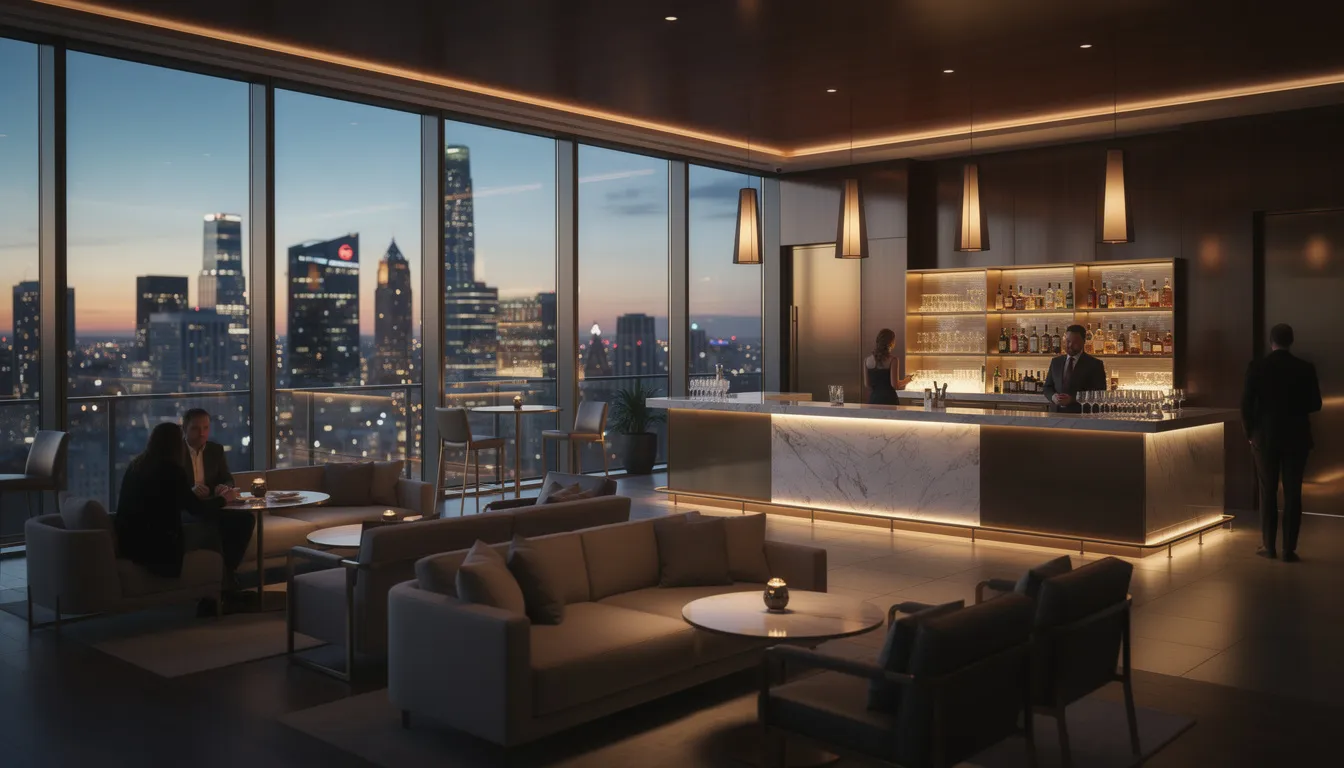
Overstory is a rooftop bar located on the 64th floor of a Financial District skyscraper at 70 Pine Street, offering guests the chance to fly above the city with 360-degree views of the Manhattan skyline, the Statue of Liberty, and One World Trade Center. Opened in 2020 by Michael McIlroy and Sam Ross (the team behind Attaboy), this venue requires reservations through Resy—and in 2025, tables often book out weeks ahead.
With a number of floors between you and the street, the outdoor terrace operates roughly from mid-April through October, weather permitting. Inside, the minimalist decor of concrete, leather, and panoramic glass lets the view take center stage. Drinks match the setting: elaborate, seasonal cocktails with precise techniques like spinning ice for dilution control. The clarified Jasmine Sour, a low-ABV blend of green tea, jasmine, and yuzu, exemplifies Overstory’s commitment to artful execution.
A split-flap style digital board on an indoor wall could rotate through sunset times (7:42 PM in summer), windspeed and humidity readings, and “Tonight’s Features” in a chunky, observation-deck font. The effect would feel like an old departures board at a premium lounge, enhancing the elevated atmosphere without mechanical bulk.
Superbueno – Mexican-American Innovation in the East Village
Superbueno is a Mexican-American bar located between the East Village and Lower East Side at 13 1st Avenue. Opened in 2023 as a neighborhood cocktail bar with serious credentials, co-founder Ignacio “Nacho” Jimenez, formerly of Mace and Existing Conditions, partnered with Frankie Marrero to create a space that received the #2 spot on North America’s 50 Best Bars in 2024 and received the 2025 James Beard Award for Outstanding Bar.
The menu reinterprets Mexican-American flavors without gimmicks. Signature drinks include a salted plum and tamarind milk punch (clarified with lactose for silky texture) and a roasted corn sour with espelette pepper and corn milk that delivers umami in liquid form. Terracotta tones and warm lighting create intimacy in this compact space.
A TV running Split-Flap TV above the bar could cycle through agave spirits features (“Espadín Mezcal Flight: Smoky, Herbal, Citrus”), mezcal pairings, and current playlist information. The blocky, retro typeface would nod to mid-century Mexico City travel posters, connecting the digital display to the bar’s cultural roots.
Dante – Century-Old Icon of Greenwich Village
Dante is an iconic Italian bar in Greenwich Village that has been serving drinks since 1915, originally opening as Caffe Dante on MacDougal Street. Relaunched in 2015 by Naren Young and Jorge Armenteros, the venue now functions as a day-to-night aperitivo bar and was recognized as the world’s best bar in 2019, also appearing on North America’s 50 Best Bars list in 2023.
The cafe’s sunlit afternoon vibe shifts to candlelit evenings as guests move from espresso to the famous Garibaldi (foamed orange juice and Campari) and more than ten Negroni variations, including a chocolate Negroni with banana liqueur. Checkered floors and vintage opera posters complete the atmosphere.
A subtle split-flap installation could show rotating specials (“Negroni Bianco: Italicus, Suze, Soda”), aperitivo hours (5-7 PM), and live waitlist updates. Styled to feel like a 1960s Italian railway board, the display would integrate seamlessly with Dante’s heritage patina.
Katana Kitten – Tokyo Izakaya Meets West Village
On Hudson Street in the West Village, Katana Kitten fuses Tokyo izakaya energy with New York dive-bar fun. Opened in 2018 by Masahiro Urushido and Natasha David, the narrow, neon-lit room—with its glowing ‘Psychic’ sign—buzzes with the kind of action you’d find in a bustling neighborhood joint.
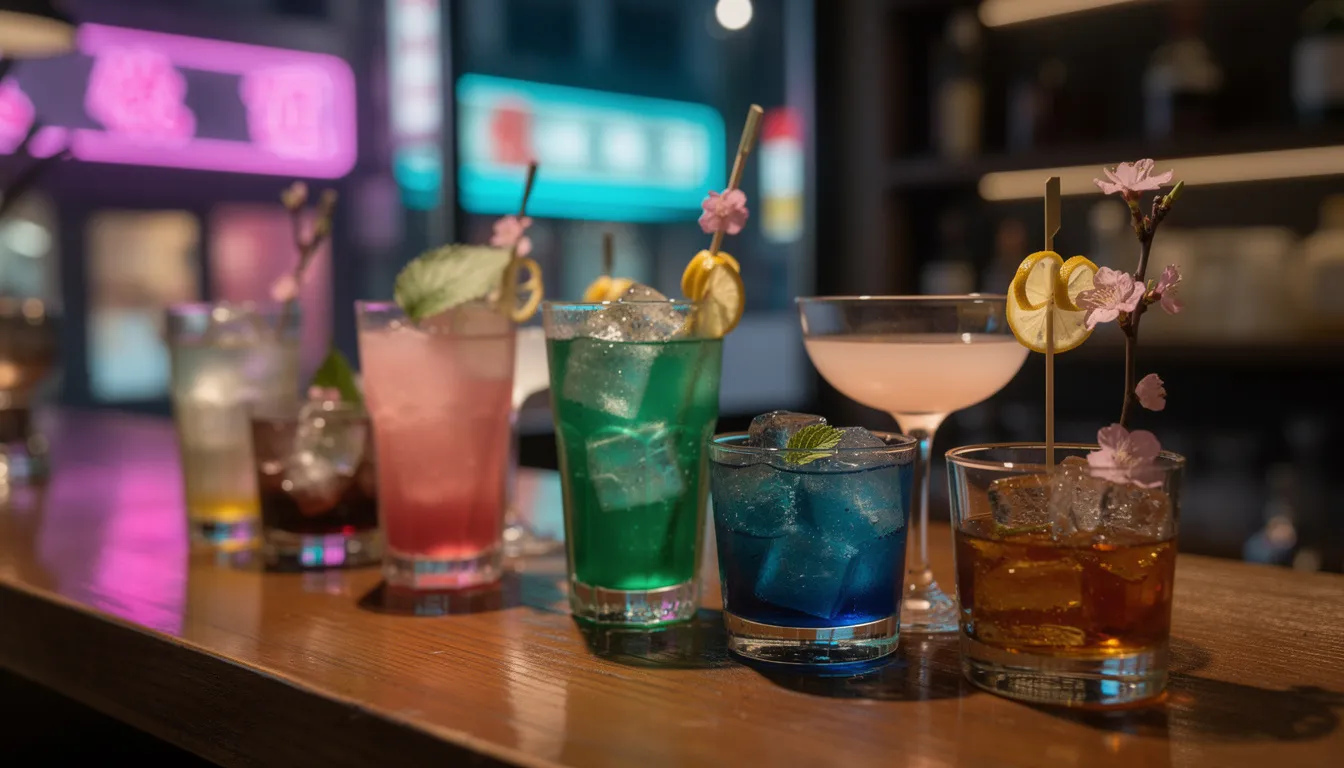
Japanese whisky highballs (Toki, soda, shiso), matcha martinis, and umami-driven drinks like the miso butter old fashioned arrive in vibrant, Instagram-ready glassware. Katana Kitten ranked in the top 10 on The World’s 50 Best Bars and North America’s 50 Best Bars in 2022-2023, cementing its global influence.
Split-Flap TV above the bar suits this playful mash-up perfectly. A pixelated display could cycle through highball flavors (“Yamazaki Flight: Peaty, Floral”), limited-time conbini snacks (onigiri specials), and waitlist names in anime-adjacent block letters, enhancing the overall bar or pub atmosphere with customizable split-flaps.
Double Chicken Please – Cocktails Inspired by Food
Double Chicken Please at 115 Allen Street on the Lower East Side started as a cocktail truck concept before opening its brick-and-mortar location in late 2020. The venue is known for its original cocktails on tap paired with gourmet sandwiches, offering a curated pairing experience that sets it apart from other cocktail bars. The space splits into two experiences: the casual Front Room with cocktails on tap and inventive chicken sandwiches, and the reservation-only back room called The Coop.
The Coop seats about 20 people and serves cocktails inspired by familiar dishes. “Cold Pizza” features tomato water, basil, and mozzarella whey. “French Toast” uses maple fat-washed bourbon and brioche syrup. These drinks transform comfort food into surprising liquid forms without losing the essence of the original.
A horizontal TV running Split-Flap TV could display two synchronized boards: one for savory-inspired drinks and one for sweet, flipping every few seconds like an experimental test kitchen ticker. The effect would mirror the bar’s playful, boundary-pushing approach to cocktail craft.
The Dead Rabbit – Irish Storytelling in Lower Manhattan
The Dead Rabbit is a traditional Irish pub located in Lower Manhattan at 30 Water Street near New York Harbor. Opened in 2013, it quickly became one of the world’s most celebrated bars. The multi-floor layout includes a downstairs Taproom (standing-room punches) and an upstairs Parlor (seated service with Irish whiskies). The venue received “World’s Best Bar” awards in 2015 and 2016 and expanded to Austin, Texas in 2024.
Menus draw on Irish folklore and history, with drinks like the Dead Rabbit Irish Coffee (Redbreast potstill whiskey) and bottled punches designed for sharing. The team behind the bar doesn’t just pour drinks—they tell stories.
A split-flap styled screen flipping between “Whiskey of the Month: Bushmills 16, Orchard Fruit,” live GAA match schedules, and cocktail lore (“Bartender’s Gloom: Named for 1840s Dublin fog”) would echo arrivals boards at Dublin Airport, enriching the venue’s narrative depth.
Now that we’ve explored standout venues, let’s look at how cocktail bars use signage and displays to enhance the guest experience and streamline operations.
How Cocktail Bars Use Signage and Displays
Walls, back bars, and screens function as silent staff, guiding guests to specials, happy hours, and house rules without requiring a bartender’s attention. Split Flap displays attract attention through their movement and sound, creating memorable moments for visitors. They can be used to showcase daily specials and menu items in cocktail bars, adding to the ambiance and enhancing the guest experience. The modular design of Split Flap displays allows for customization to fit the unique branding of cocktail bars. With low power consumption, Split Flap displays are energy-efficient and built to last, making them a sustainable signage option for businesses. The evolution of bar signage reflects changing technology and guest expectations:
|
Era |
Common Methods |
Pain Points |
|---|---|---|
|
1990s-2000s |
Handwritten chalkboards |
Hard to read, messy updates |
|
2010s |
Lightbox letter boards |
Static, time-consuming changes |
|
2025 |
TVs and digital displays |
Often too bright, generic look |
- Airport-style split-flap visuals fit especially well in cocktail bars leaning into travel, nostalgia, or speakeasy themes. Split-Flap TV lets any bar use this aesthetic with affordable split-flap boards instead of heavy electro-mechanical hardware costing $5,000-$20,000.
From Chalkboards to Split-Flap Style Screens
Handwritten chalkboards worked for decades, but they come with problems:
- Illegible handwriting at 10 feet
- Smudges during mid-service updates
- Inconsistency across multiple locations
Letter boards solved some issues but required someone to physically rearrange letters.
Today, about 80% of top bars have TVs behind the bar according to 2025 industry surveys. The challenge is making these screens feel intentional rather than generic. Digital split-flap displays making a comeback in modern spaces keep the analog charm (flipping letters, nostalgic fonts, mechanical sound simulation if desired) while letting operators update content remotely in seconds.
Ideal Content to Show on Bar Screens
The best bar screens rotate purposeful content that helps guests without overwhelming them:
Drink-focused content:
- Rotating signature cocktails of the night (name, main flavors, spirit base)
- Happy hour windows with exact times and discounts
- Mocktail offerings highlighting premium NA spirits (up 40% in demand)
- Large-format punch options for sharing
Non-drink content:
- Live social media follower counters (Instagram, TikTok)
- Tonight’s DJ or playlist theme
- Trivia night reminders with start time
- Closing-time countdowns
The visual motion of split-flap flips should be slow and purposeful—typically 3-5 second intervals between changes. This pacing feels like part of the ambiance, not an advertisement demanding attention.
Keeping the Vibe: Design Tips for Retro-Style Digital Menus
Color palettes that work in dim bar lighting include:
- Off-white (#F5F5F0) text on charcoal (#333333) backgrounds
- Amber (#D4A017) accents echoing bar glow
- Restrained use of brand colors for emphasis
Typography should echo classic train-station and airport boards from the 1960s:
- Uppercase lettering
- Clear columns
- Simple icons
- Fonts like OCR-A or custom split-flap character sets reinforce the nostalgic feel
Aligning digital split-flap typography with printed menus and coasters creates unified branding across physical and digital touchpoints. When a guest picks up a coaster and glances at the screen, they should feel the same design language at play.
Now that we’ve covered how signage and displays can transform the guest experience, let’s look at how Split-Flap TV brings this retro charm into the digital age for cocktail bars.
Split-Flap TV: Nostalgic Digital Signage for Cocktail Bars
Split-Flap TV is our subscription-based SaaS that turns any TV into a digital split-flap style board without mechanical parts. Bars install an app on smart TVs, media players, or tablets, then control everything from an online dashboard with scheduling, templates, and real-time data integration.
The 7 day free trial lets you test it before committing, and it doesn’t ask for a card. The three plans differ by what they can show, not by how many screens you run:
|
Plan |
Per screen, per month |
What it adds |
|---|---|---|
|
Economy |
€19.99 |
One screen, unlimited boards, scheduling and editing from your phone |
|
Business |
€36.99 |
Everything in Economy, plus your own photos, image overlays and picture flap boards |
|
Cockpit |
€49.99 |
Everything in Business, plus live news, weather and JSON data, the App Marketplace and priority support |
Every plan is priced per screen, so a second screen is a second subscription on whichever plan suits it. Running five or more? Talk to us about volume.
Our focus is combining retro aesthetics with the flexibility and reliability modern bar teams need during busy service. The software runs headless with 99.9% uptime, mirroring the calm reliability of an old departure board.
How It Works in a Cocktail Bar Setting
Setting up Split-Flap TV takes minutes rather than hours:
- Choose a screen (43-55 inch TV works well behind most bars)
- Install the Split-Flap TV app via Android TV, Fire Stick, or connect an HDMI media player
- Connect to Wi-Fi and register your account
- Log in to the web dashboard to create your first Board
From the dashboard, you build boards that flip between cocktail menus, time and date, local weather, and event information at intervals you define. Content updates remotely, making the system ideal for multi-venue groups with bars in cities like New York, Austin, or San Francisco.
The software runs quietly in the background, designed to deliver reliable performance without the mechanical maintenance that true split-flap boards require (500+ moving parts per board, prone to jams).
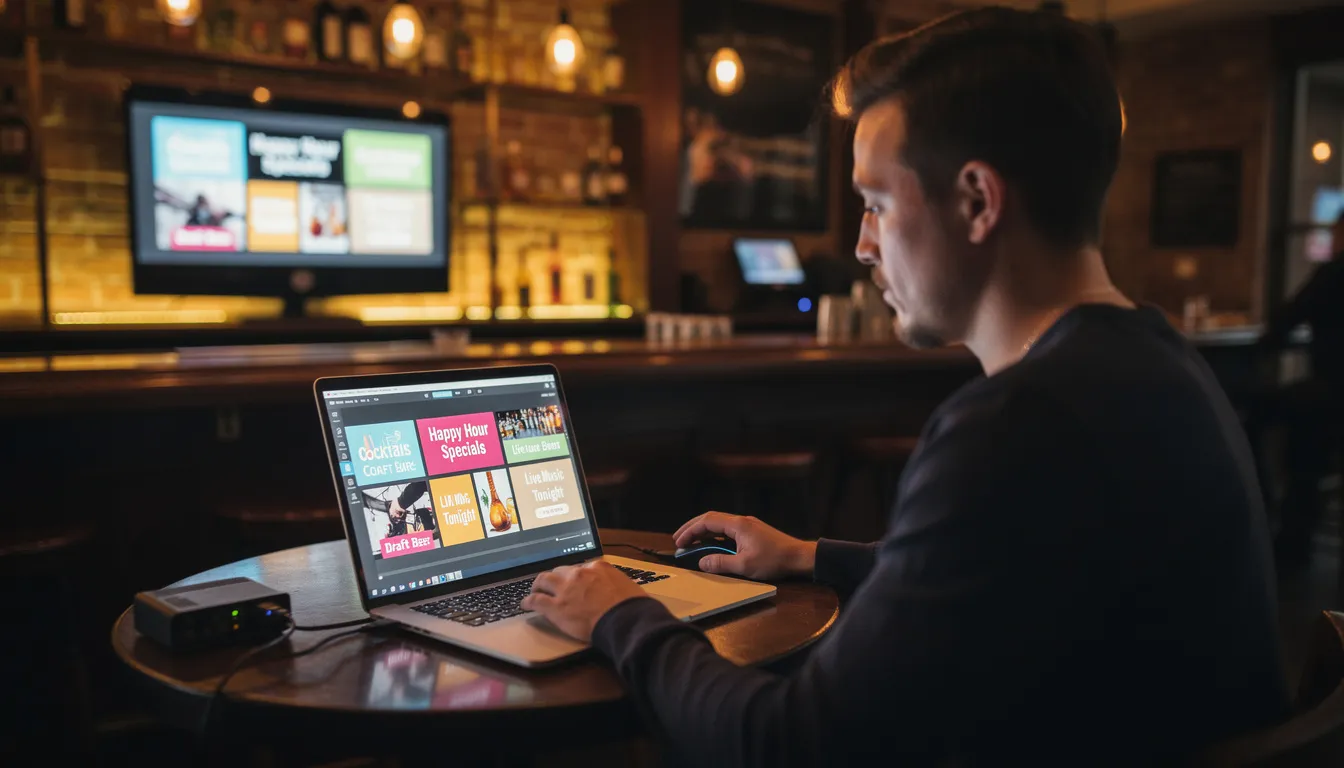
Features Tailored to Bars and Lounges
Split-Flap TV includes features designed specifically for hospitality environments:
- Daypart scheduling: Automatically switch between happy hour menu (5-8 PM) and late-night offerings
- Drink list templates: Rotating cocktail boards with name, flavor notes, base spirit, and price
- Custom fonts: Split-flap character sets that mimic authentic mechanical boards
- Real-time widgets: Local weather from your neighborhood, rotating quotes, live social counters for Instagram or TikTok
- Instant updates: A “Sold Out” tag can flip on mid-service without confusing guests
These features support the kind of responsive operations that busy Friday nights demand. When the corn sour runs out at 10 PM, you update the display from your phone in the stockroom.
Subscription Tiers and Hardware Setup
Multiple tiers fit different business models:
- Economy (€19.99/month): One screen behind the bar, with unlimited boards you change from your phone
- Business (€36.99/month): Adds your own photos, image overlays and picture flap boards
- Cockpit (€49.99/month): Adds live news, weather and data feeds, the App Marketplace and priority support
Hardware flexibility means you use what you already own. Any TV with HDMI access works with a small media player. Built-in smart TV apps (Android TV, Apple TV) eliminate additional hardware entirely. There’s no proprietary lock-in, keeping upfront costs low compared with mechanical split-flap installations that run $10,000 or more.
Now that you know how Split-Flap TV can transform your bar’s communication, let’s explore practical ways to use it in your venue.
Practical Ideas for Using Split-Flap TV in Your Bar
This section offers a practical playbook with ready-to-use ideas for cocktail bars in 2025. Try a couple of these ideas during a weeknight service before rolling out across all operating hours. Expect 10-15% engagement lift based on industry tests with similar visual communication upgrades.
Live Cocktail and Spirits Boards
Dedicate a Split-Flap TV board to current cocktails with columns for:
|
Drink Name |
Main Flavors |
Spirit Base |
Strength |
|---|---|---|---|
|
Cold Pizza |
Tomato, Basil, Whey |
Vodka |
Medium |
|
Corn Sour |
Espelette, Lime |
Mezcal |
Boozy |
|
Jasmine Sour |
Green Tea, Yuzu |
Gin |
Low |
- Rotate a “Featured Pour” each night for certain spirits—a different Japanese whisky or mezcal with a short flavor note and neat/rocks price. This encourages exploration and upsells without pushy service.
- Consider a late-night flip after midnight to show a trimmed-down menu of five or six drinks. This reduces guest decision fatigue and eases operations for the closing team.
Events, Reservations, and Waitlists
- Bars hosting pop-ups, guest bartender nights, or pairing events can promote upcoming dates on a dedicated split-flap style event board.
- The opening night for a mezcal collaboration or a family-style tasting dinner becomes easier to communicate without printed flyers cluttering the bar.
- Host stands or entrance areas can feature a screen showing current wait times or reservation status in a format that feels like an arrivals board at a busy airport. This approach builds anticipation rather than frustration, giving guests clear information while they enjoy a drink at the bar.
- For venues with multiple levels like Dear Irving or hotel bars, include simple wayfinding messages: “Whiskey Tasting: Upstairs Parlor, 8 PM” or “Private Event: East Room.” Guests find their way without interrupting staff mid-service.
Storytelling Boards: Origins, Ingredients, and People
Use a board to tell short, rotating stories that inspire conversation:
- Origin of a house cocktail and who designed it
- Background of a regional spirit (terroir, production method, family distillery)
- Quick feature on a bartender’s favorite drink to make
- Guest bartender bio during a pop-up week
These narratives flip every few minutes, giving regulars something new to catch on each visit. The stories add depth to the drinking experience without requiring staff to recite the same information fifty times a night.
- A dedicated “Zero-Proof Focus” slot highlights non-alcoholic cocktails and ingredients like verjus, non-alcoholic amari, or tea infusions. With premium NA spirits up 40% in demand, this content helps guests meet their moderation goals without feeling like an afterthought.
Now that you have practical ideas for using digital split-flap signage, let’s look at how to optimize staff management and operations for a seamless guest experience.
Staff Management and Operations
Staff Communication
In the refined ecosystem of premium lounges, bars, and airport venues, aesthetic staff management and intentional operations form the foundation of extraordinary guest experiences. Whether nestled in the sophisticated heart of San Francisco or positioned within a bustling international terminal, establishments that prioritize their teams with purposeful design see this commitment reflected in elevated customer satisfaction and operational craftsmanship—a distinction that resonates throughout every carefully curated interaction.
Operational Efficiency
Contemporary hospitality industries embrace digital solutions that feel both tactile and meaningful—tools that support staff with the same attention to detail that guests experience in these thoughtfully designed spaces, often inspired by ideas shared on our Split-Flap TV features and news blog. With refined solutions like Split-Flap TV, managers can orchestrate real-time screen updates to communicate shift transitions, event reminders, or critical announcements—ensuring seamless coordination while preserving the polished, uninterrupted atmosphere that defines top-tier hospitality. This immediate, almost mechanical precision empowers employees with clarity, eliminates operational confusion, and maintains the intentional ambience that discerning guests expect in these carefully crafted environments.
In airport lounges, where sophisticated access control and guest services create the foundation of exceptional experiences, Split-Flap TV for business and other digital displays become more than functional tools—they guide travelers with aesthetic purpose, showcase available amenities with refined clarity, and support staff in delivering the kind of seamless service that feels effortless yet precisely orchestrated. By investing in staff management systems that emphasize both functionality and experiential quality, businesses across industries can cultivate environments where employees and guests alike experience something meaningful—setting a new standard for intentional excellence in contemporary hospitality design.
Now that we’ve covered staff management, let’s explore how financial planning and digital signage can drive business success.
Financial Management and Planning
Financial Strategy
Financial management beats at the very heart of every thriving business—especially in those magical spaces like hospitality and aviation where every moment matters and human connections flourish. For bars, restaurants, and airport lounges, smart financial planning becomes something beautiful—a dance between optimizing access, creating those wonderful revenue moments, and crafting experiences that guests carry in their hearts long after they leave.
Digital signage solutions like Split-Flap TV spark something special in financial strategy—that rare blend of nostalgia and innovation that makes numbers come alive. By sharing those delightful up-to-the-minute updates on specials, access details, or exclusive offerings, businesses create those “wow moments” that naturally drive engagement and sales. Picture this: a charming “Limited-Time Offer” or “Happy Hour Countdown” flickering to life on that iconic split-flap display, transforming slower periods into buzzing opportunities, while those instant, tactile updates help businesses avoid waste—creating a rhythm that feels both purposeful and magical.
In airport settings, managing access flows and understanding guest journeys becomes an art form where every interaction matters. Bringing retro split-flap TV back in style, digital displays share stories about available services, thoughtful pricing, and exclusive experiences—guiding guests through their journey while optimizing those crucial revenue streams. By embracing this emotionally-intelligent approach to financial management and celebrating technology that feels human, businesses discover something remarkable: they can adapt with grace to changing market conditions and build lasting success in competitive industries, one meaningful connection at a time.
Now that we’ve discussed financial management, let’s look at how sustainability and responsibility are shaping the future of cocktail bars.
Sustainability and Responsibility
Sustainability Initiatives
Today’s guests arrive with hearts full of intention—they’re drawn not just to exceptional experiences and welcoming atmospheres, but to spaces that mirror their deepest values. Sustainability and responsibility have woven themselves into the very soul of forward-thinking bars, restaurants, and airport lounges, touching everything from the careful selection of ingredients to the meaningful ways these venues embrace their communities.
Visionary establishments are crafting their environmental story through thoughtful gestures—energy-efficient lighting that bathes spaces in warm, conscious glow, recycling programs that breathe new life into materials, and partnerships with local, mindful providers who share their commitment.
Community Partnerships
In airport lounges, this dedication manifests in eco-friendly amenities that feel like gentle embraces, digital check-ins that honor our forests by eliminating paper trails, and split-flap TV displays enhancing the hotel guest experience through collaborations with neighborhood artisans whose craft tells authentic stories.
Digital signage, like Split-Flap TV, transforms these sustainability journeys into living, breathing conversations with guests—each mechanical flip revealing initiatives that matter in real time, turning green practices into visible poetry of purpose. The rotating messages about environmental stewardship, community partnerships, and upcoming charity events create moments of connection that inspire guests to become part of something larger. By weaving responsibility into their very essence, venues don’t just attract devoted patrons—they ignite passion in their teams and nurture the well-being of their local community network, transforming the entire industry one meaningful moment at a time.
With sustainability and community at the forefront, let’s see how marketing and promotion can help your cocktail bar stand out.
Marketing and Promotion
Marketing Tactics
In a world where guests wander through endless choices, the magic of meaningful marketing becomes essential — bars, lounges, and airport venues must create that spark of wonder that makes hearts skip a beat. The most enchanting businesses understand how to weave their story with genuine warmth — celebrating unique charm, prime locations, and those unforgettable moments that feel like coming home, again and again.
Digital displays are capturing imaginations in ways that feel almost magical. With Split-Flap TV, venues discover something extraordinary — eye-catching, nostalgic screens that dance with daily specials, whisper about upcoming events, and share exclusive treasures. These displays awaken curiosity, invite exploration, and create those delightful “wow moments” as guests step into a space that feels alive with possibility.
For airport lounges, the storytelling might celebrate premium comfort, effortless access, and that precious promise of sanctuary before taking flight. Through the artistry of digital signage, businesses craft targeted experiences, refresh their narrative in real time, and forge genuine connections across multiple touchpoints. Whether announcing a handcrafted cocktail, a joyful family gathering, or a week-long celebration of hospitality — the right tools help businesses nurture their community, inspire devotion, and set the gold standard for the world’s most memorable experiences.
Bringing It All Together for Your Own Cocktail Bar
World’s best cocktail bars—from rooftop premium lounges like Overstory to intimate speakeasies like Attaboy—rely on both product and presentation to stand out. Visual communication through menus, boards, and screens is a powerful but often overlooked part of this presentation.
Upgrading to split-flap style displays doesn’t require transforming your space or investing in complex hardware. Split-Flap TV offers an accessible way to give any bar the timeless feel of an old airport or train-station board using screens you already have. The team behind our platform built it specifically for hospitality businesses seeking affordable, visually engaging signage with retro-style charm.
Ready to explore how it works inside your own bar? Join the 7-day free trial on a single screen during a busy night. Measure guest reactions and staff feedback before scaling up. You might find that a simple flipping display becomes one of the details people remember long after their last sip.