
Split Flap Display Sound Effect: The Sound of Communication & History
December 3, 2025 · Captain
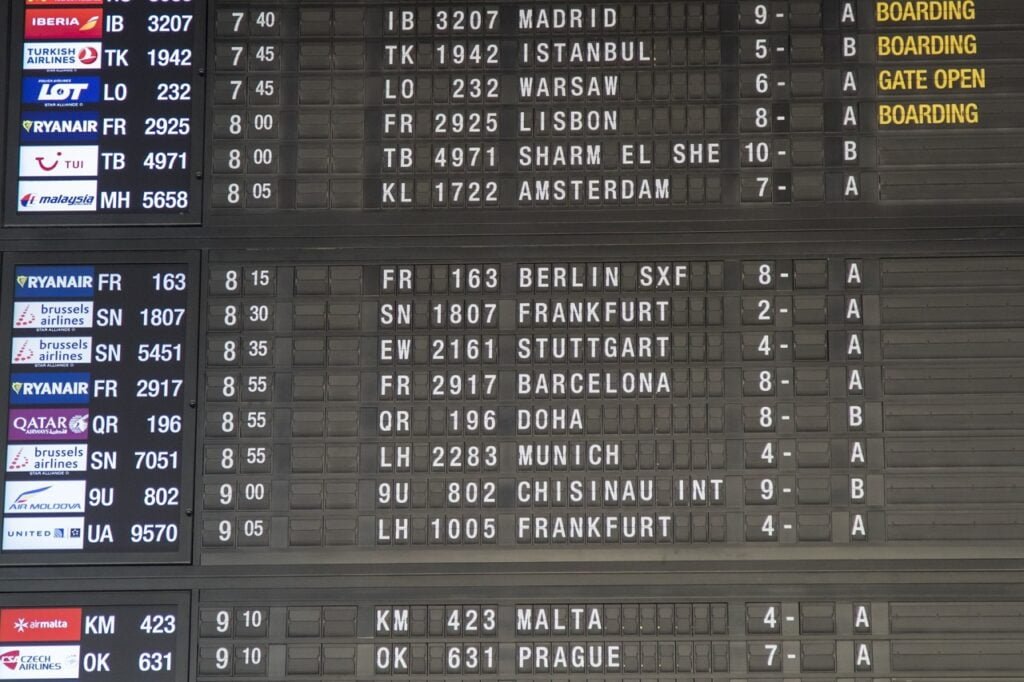
Split-flap display sound effect—the distinct, rhythmic “clack-clack-clack” noise produced by the mechanical flipping of panels that display alphanumeric characters—has become iconic in multimedia and pop culture, often used to evoke nostalgia and authenticity. The sound is tactile, noisy, and inherently mechanical, created when a motor drives a spool, causing small plastic or metal flaps to flip down past a metal backstop. Unlike silent digital monitors, this auditory cue is unmistakable and instantly recognizable.
This article is for designers, multimedia creators, and anyone interested in the history and impact of the split-flap display sound effect. Understanding this sound effect helps creators evoke nostalgia and engagement in modern projects, making it a valuable tool for enhancing multimedia experiences.
Imagine standing in a bustling train station. Amidst the echoes of footsteps and distant announcements, a unique sound fills the air. It’s a soft, rhythmic clatter—a cascade of flipping characters on a large departure board, each one settling into place to deliver a message. This is the sound of communication, the signature symphony of the split-flap display, an icon of a bygone era of automation. It’s a sound that tells a story of innovation, connection, and a pivotal shift in how we received information.
This post will take you back to the early days of automated communication. We will explore the transition from manual updates to these captivating mechanical marvels. You will discover how split-flap displays revolutionized public information systems and why their great legacy and appeal continue to fascinate us today.
Definition: Split-Flap Display Sound Effect
The split-flap display sound effect is a distinct, rhythmic “clack-clack-clack” noise produced by the mechanical flipping of panels that display alphanumeric characters. The sound is tactile, noisy, and inherently mechanical, created when a motor drives a spool, causing small plastic or metal flaps to flip down past a metal backstop.
From Chalkboards to Clicking Clocks
Before automation, sharing information in public spaces was a manual, labor-intensive process. Think of stationmasters hastily scribbling train arrivals on chalkboards or airport staff physically changing the text on a sign. These methods were slow, prone to errors, and required constant human attention. A delay meant someone had to erase and rewrite, often causing confusion for travelers waiting anxiously for updates.
The need for a faster, more reliable system was clear. As travel became more accessible and public spaces grew more crowded, the demand for timely and accurate information soared. The world was ready for a change, and the answer came not from a silent screen, but from a mechanical ballet of letters and numbers.
The Rise of the Split-Flap Display
The split-flap display emerged as a groundbreaking solution in the mid-20th century. Developed as an ambitious engineering project, it transformed public information systems by enabling dynamic, real-time updates in busy environments. These electromechanical wonders brought a new level of efficiency and elegance to information display. Each character on the board was made of a series of flaps that rotated around a central spindle.
How Did They Work?
The genius of the split-flap display was its simple yet effective mechanism.
-
A Cascade of Characters: Each character module contained a set of printed flaps—one for each letter, number, and symbol. Each position featured a pair of flaps that worked together to display the correct character.
-
Electromechanical Control: When an update was needed, an electrical signal was sent to the specific modules. At the start of each update cycle, this signal triggered a small motor, causing the flaps to rotate until the correct character was displayed.
-
The Signature Sound: The iconic clattering noise was the sound of these flaps falling into place. It wasn’t just a byproduct; it became an auditory cue that new information was arriving. Heads would turn, and eyes would fix on the board in anticipation.
This system was a monumental leap forward. Updates could be made remotely and almost instantly across an entire board. What once took minutes of manual labor now happened in seconds with mechanical precision.
Revolutionizing Public Spaces
Split-flap displays quickly became fixtures in the world’s most dynamic environments. They were no longer just informational tools; they were part of the architectural and sensory experience of a place. The distinctive sound and motion of split-flap displays add a unique ambiance and engagement to public spaces, making them memorable and immersive for visitors.
Travel Hubs
Nowhere was the impact of split-flap displays more profound than in travel hubs. They became the heart of the airport terminal and the train station concourse. The rhythmic shuffle of the flaps provided a constant, comforting pulse to these busy spaces. For millions of travelers, the sound of the split-flap board was intrinsically linked to the excitement and adventure of a journey. It signaled departures to new destinations and announced the arrivals of loved ones.
Other Applications
The technology’s application extended beyond travel. Stock exchanges used them to display rapidly changing market data, with the clatter of the board reflecting the frantic energy of the trading floor. These industries found innovative use for split-flap displays, leveraging their unique sound and motion to enhance real-time communication and audience engagement. Television also embraced the visual appeal of split-flap TV. Popular game shows featured them, adding a layer of suspense and excitement as answers and scores were revealed one clicking character at a time.
Using Split-Flap Display Sound Effects in Multimedia Projects
Split-flap display sound effects can be incorporated into videos, presentations, and digital signage to create a nostalgic atmosphere and capture audience attention. Their distinct, rhythmic “clack-clack-clack” instantly evokes the ambiance of classic train stations and airports, making them a powerful tool for storytelling and engagement.
-
Videos and Films: Add the split-flap display sound effect to transitions, title sequences, or scenes set in travel hubs to enhance authenticity and nostalgic charm.
-
Presentations: Use the sound effect when revealing key points or data to create anticipation and a memorable auditory cue.
-
Digital Signage: Integrate the sound with animated split-flap visuals to draw attention and encourage interaction in retail, hospitality, or event environments.
-
Interactive Installations: Combine the sound with kinetic motion to create immersive experiences that blend tactile and auditory engagement.
By leveraging the split-flap display sound effect, creators can blend nostalgia, auditory cues, and kinetic motion to elevate engagement and make their multimedia projects stand out.
The Enduring Nostalgia of Mechanical Motion
In today’s world of silent, high-definition digital screens, the split-flap display feels like a relic from a different time. Yet, its appeal has not faded. There is a deep-seated nostalgia for its physical, tangible nature. Unlike a pixel on a screen, each character on a split-flap board had a physical presence. The movement was real, the sound was authentic, and the experience was multi-sensory.
This nostalgia isn’t just about sentimentality. It reflects an appreciation for the ingenuity of mechanical design. In an increasingly digital world, there is a growing fondness for things that are tactile and transparent in their function. You can see the moving parts, hear them at work, and enjoy the free and unfiltered experience of the split-flap display sound effect as information is presented. This connection to the physical object is something that a sleek glass screen simply cannot replicate.
Preserving the Past: Restoration and Legacy of Split-Flap Displays
Restoration Efforts
The restoration of vintage split-flap displays is more than a technical endeavor—it’s a celebration of our shared history and a tribute to the golden age of train stations and bustling departure boards. These iconic boards, with their unmistakable sound effect and kinetic charm, have become enduring symbols of the anticipation and excitement that once filled waiting halls across the world.
Today, dedicated organizations and passionate individuals are working tirelessly to restore and maintain these classic split-flap displays. Each restoration project is a labor of love, requiring meticulous attention to every detail—from repairing the mechanical flaps to recreating the authentic clock readout and signature sound that once echoed through grand terminals. The process is as much about preserving the sensory experience as it is about reviving the visual design, ensuring that future generations can hear and see the magic of these boards just as travelers did decades ago.
Modern Uses
Preserving these displays allows us to appreciate the simplicity and elegance of earlier technology, and to understand how these mechanical marvels paved the way for the digital signage and real-time messaging we rely on today. The legacy of the split-flap display lives on in modern design, where its distinctive sound effect and retro aesthetic are often replicated to add a nostalgic touch to the next project—whether it’s a film, a museum exhibit, or a digital signage board in a trendy café.
For creators and designers looking to capture this timeless appeal, there are now free resources available online. Royalty-free audio clips of split-flap displays, such as those found on creazilla.com, make it simple to add the authentic sound of a split-flap board to any multimedia project. With just a few clicks, you can find and use these sound effects to instantly evoke the atmosphere of a classic train station or airport, making your project stand out and resonate with audiences who are waiting to hear and see something unique.
Thanks to ongoing restoration efforts and the availability of digital tools, the split-flap display remains an iconic symbol of innovation and nostalgia. Its distinctive sound and visual appeal continue to inspire new generations of creators, designers, and innovators, making it a great resource for anyone ready to add a touch of history and charm to their next project. By preserving and celebrating these vintage displays, we ensure that the legacy of the split-flap display lives on—ready to captivate, inform, and delight for years to come.
From Mechanical Marvels to Digital Innovation: The Rise of Split-Flap TV
As technology advanced and our needs evolved, the enduring appeal of split-flap displays paved the way for a new generation of information systems. Enter digital split-flap displays—specifically, the innovative Split-Flap TV. These digital reincarnations pay homage to the nostalgic charm and tactile experience of the original mechanical boards, while harnessing the powerful flexibility and connectivity of modern technology.
Split-Flap TV bridges the gap between classic design and contemporary demands. It maintains the iconic look, motion, and even the signature sound of traditional split-flaps, yet operates through precision digital controls without the mechanical wear and maintenance. This allows for instant updates from virtually anywhere, diverse content integration, and engaging visual customization—all while preserving the captivating, kinetic experience that draws in audiences. With Split-Flap TV, users can create engaging displays and immersive multimedia experiences by combining split-flap display sound effects, visual effects, and customizable features. Additionally, users can find a variety of templates and resources online to help them get started and streamline their creative process.
Modern Split-Flap TVs are now found in a variety of spaces:
-
Trendy hotels
-
Creative workspaces
-
Airports
-
Shops
-
Private homes as statement pieces
They serve as both functional information displays and evocative design elements, sparking conversation and evoking memories. By blending digital advancements with a beloved analog aesthetic, split-flap TV proves that innovation can pay tribute to the past while forging exciting new paths in communication. Consider using split-flap display sound effects in your next project to evoke nostalgia and capture your audience’s attention.
Conclusion: The Echo of Innovation
The story of the split-flap display is a reminder that the path of progress is not always linear. While digital displays are undoubtedly more versatile and efficient, they lack the charm and character that made their mechanical predecessors so beloved. The clattering sound of a split-flap board was more than just noise; it was the sound of progress, the announcement of change, and a comforting rhythm in our public lives.
It represents a perfect marriage of form and function, a piece of engineering that became a cultural icon. As we continue to innovate, it is worth looking back at these early forms of automated communication. They remind us that sometimes, the most memorable technologies are the ones that engage more than just our eyes. They capture our imaginations and leave a lasting echo in our collective memory.
If you’re inspired by the split-flap display sound effect and its unique animation, don’t hesitate to copy creative ideas or techniques from these classic displays into your own projects—whether you’re working with After Effects, scripts, or custom animations.
Thanks for joining us in exploring the history and impact of split-flap displays.